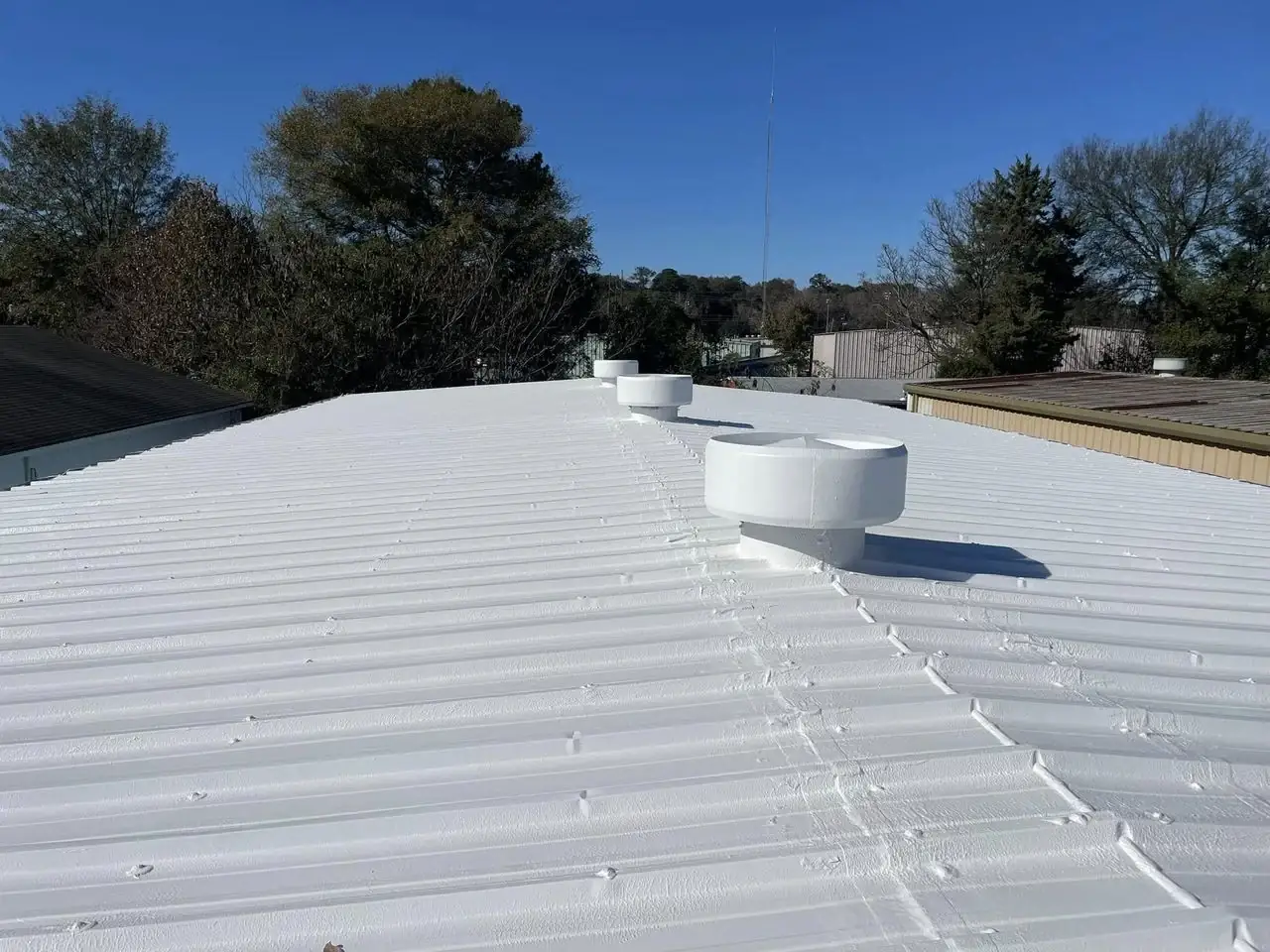
The trade-off with SPF is the coating. The foam itself can last for decades, but the elastomeric top coat is sacrificial and wears under Houston's intense UV, so it needs periodic inspection and recoating, typically every ten to fifteen years depending on the product and exposure. The upside is that recoating is far cheaper and less disruptive than replacing a roof, and it renews the whole system rather than patching it. We build that recoat cycle into a maintenance plan so the foam underneath is never left exposed. A foam roof that is inspected and recoated on schedule is one of the longest-lived flat-roof systems available.
Where SPF Fits, and Where It Does Not
Foam is an excellent answer for many Houston buildings, but not every one. It needs a dry substrate, clean application conditions, and an owner willing to maintain the coating. It is at its best on roofs with chronic ponding, high cooling loads, and complex penetrations where seamless self-flashing earns its keep. During an assessment we core the existing roof, check for trapped moisture, and tell you plainly whether SPF or another system is the right call for your building rather than pushing one product.