

Skip to content

Built Up Roofing in Houston, TX

Schedule a Roof Review

  • Built-Up Roofing for Houston Commercial Buildings
  • Built-up roofing, the multi-ply asphalt-and-felt system most people still call tar and gravel, has covered American commercial buildings for well over a century, and a great deal of Houston's existing building stock still wears it. We install, repair, and replace BUR systems across the metro for owners who value a redundant, heavy-duty membrane and want a roof built in layers rather than laid down in a single sheet. On the right building, with the right detailing for the Gulf Coast, a built-up roof is one of the most durable low-slope assemblies available.
  • How a Built-Up Roof Is Constructed
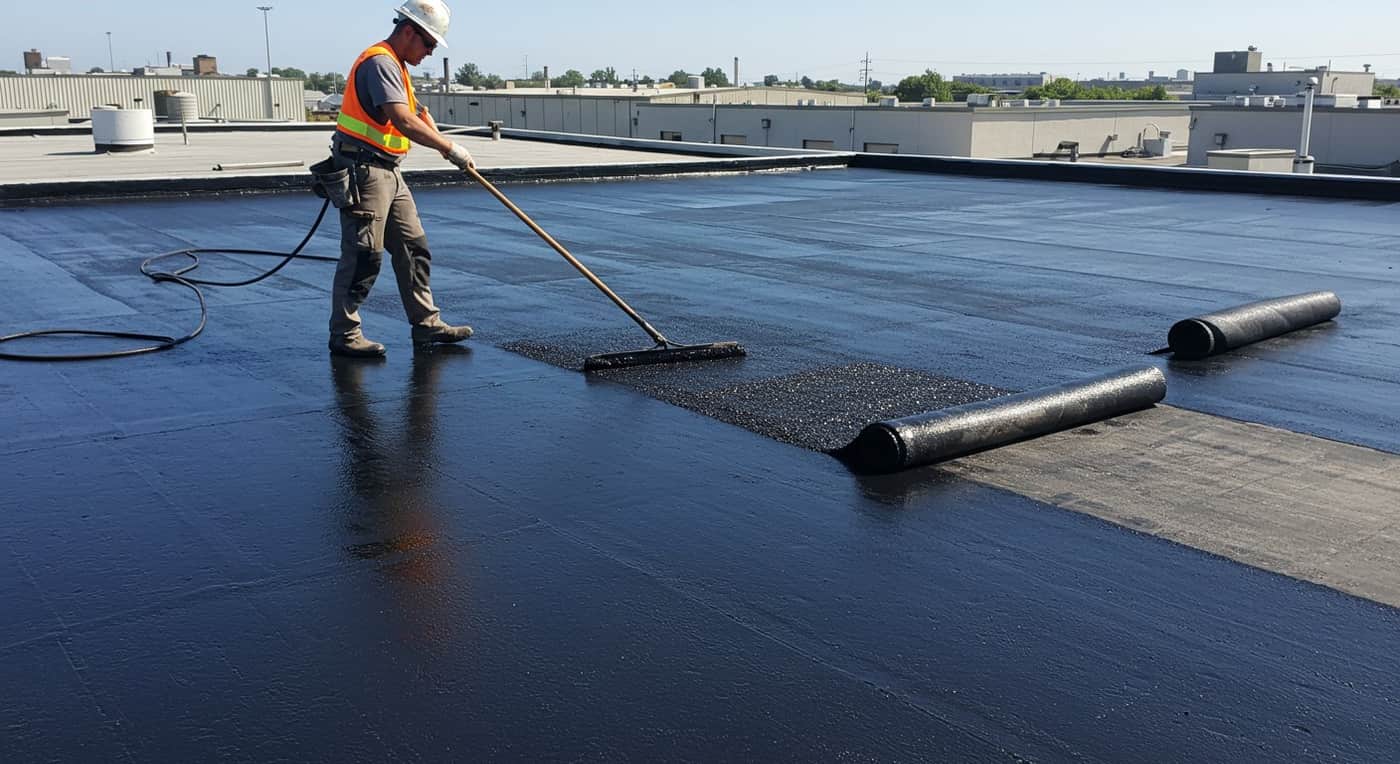
  • A BUR system is assembled on the roof, ply by ply, into a single monolithic membrane. The components stack in a deliberate order:
  • A base sheet or vapor retarder over the insulation, anchoring the assembly to the deck.
  • Multiple plies of reinforcing felt or fiberglass mat, each set into hot asphalt (bitumen) or a cold-applied adhesive.
  • Interply bitumen moppings that bond the layers and seal them into a continuous, water-resistant mass.
  • A surfacing layer on top: embedded gravel or mineral aggregate, a mineral cap sheet, or a reflective coating to shield the bitumen from sun and weather.
  • The defining strength of this design is redundancy. Because the membrane is several plies thick, a single puncture or surface defect does not open a direct path to the deck the way it can on a thin single-ply sheet. That layered toughness is why BUR has remained a go-to for buildings with heavy rooftop traffic and demanding service requirements.

Why Redundancy Matters on the Gulf Coast

Houston weather is hard on roofs in several different ways at once, and a built-up roof answers more than one of them. Large hail is a recurring threat across the region, and a gravel-surfaced BUR offers real impact resistance, with the aggregate absorbing and dispersing hail energy that would dent or fracture a thinner membrane. The protective surfacing also shields the bitumen below from the intense, year-round UV that drives roof aging here, where the cooling season is long and rooftop temperatures climb past 160 degrees on summer afternoons. And the multi-ply build provides a generous margin of waterproofing for a city that absorbs frequent heavy downpours, the kind of rainfall that overwhelmed marginal roofs across the metro during Hurricane Harvey in 2017. Wind is the trade-off to manage honestly. A loose-laid gravel surface can scour and the aggregate can become airborne in the high winds of a hurricane, which run a real risk here from June through November. We address that in how we specify and attach the system, favoring properly adhered assemblies, cap-sheet surfacings, or coated BUR where wind exposure at a building's edges and corners calls for it, rather than assuming gravel is right for every roof.

Schedule a roof review
Built Up Roofing in Houston, TX
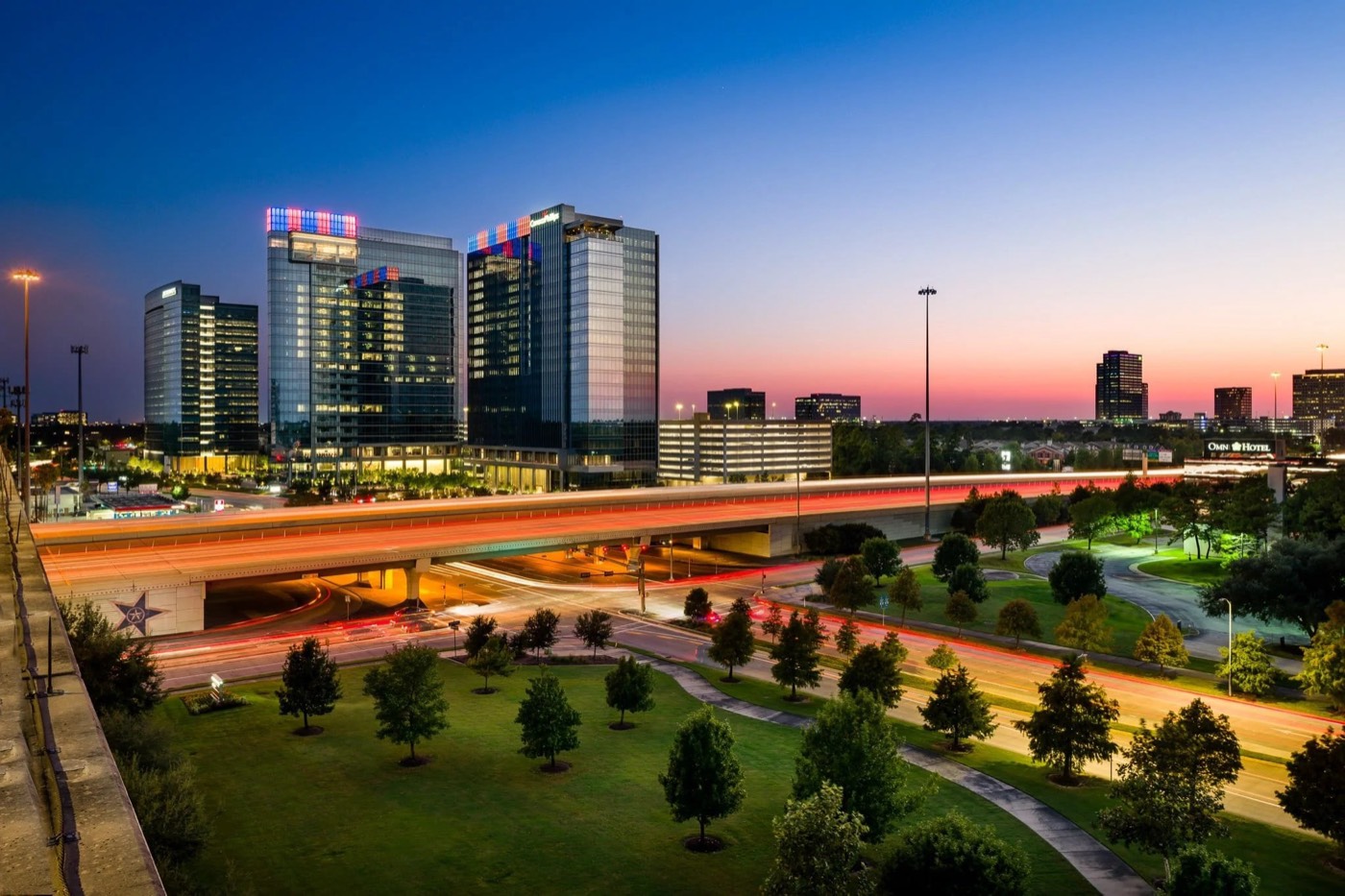
Downtown Houston commercial rooftops

Drainage Is Not Optional with BUR

Built-up roofs are heavy and are typically installed at low slope, which makes drainage design central to their success. Standing water accelerates the breakdown of asphaltic membranes and adds dead load the structure was never meant to carry. After Hurricane Harvey, Harris County Flood Control District tightened detention and drainage expectations, and we routinely find legacy commercial roofs whose drains and scuppers were undersized for the rain this region actually produces. When we install or replace a BUR system, we evaluate the drainage, add tapered insulation to move water toward the drains where slope is lacking, and make sure primary and overflow drainage can handle a Gulf Coast deluge.

Where Built-Up Roofing Fits Across the Metro

Houston Energy Corridor commercial buildings

BUR earns its place on buildings where puncture resistance, fire performance, and long service life outweigh first cost. Institutional and healthcare facilities are a natural fit. The Texas Medical Center, the largest medical complex in the world, runs around the clock with dense rooftop mechanical equipment and constant maintenance traffic, and a redundant multi-ply membrane stands up to that kind of use. Industrial and warehouse buildings along the Ship Channel and the Beltway 8 logistics corridors, and high-traffic service and manufacturing roofs, are also strong BUR candidates. Older office and institutional buildings around downtown and the inner loop frequently already carry built-up roofs that are excellent candidates for repair or in-kind replacement rather than conversion to a different system. Education campuses are another good fit: with hundreds of public school buildings operating across Harris County, a durable, fire-resistant, walkable roof that tolerates constant maintenance access has real value, and BUR has roofed school buildings here for generations.

Repair, Restore, or Replace

Not every aging built-up roof needs to come off. The deciding factor is almost always the condition of the insulation below the membrane, and we determine that with a moisture survey rather than a guess. The path forward usually falls into one of three categories:

Roof planning notes

Roof Scope Notes

Talk with a Houston commercial roofing team

Replace: A roof with widespread wet insulation, saturated felts, or chronic leaks is at the end of its life, and continued spot repairs will only chase failures around the roof. At that point a full replacement is the honest recommendation.

Restore: A sound but weathered built-up roof can be cleaned, repaired, and given a reflective coating that shields the bitumen, lowers rooftop temperatures, and extends the membrane's life without a tear-off. Where a roof is weathered but the bitumen is intact, a reflective restoration coating also helps move a low-slope roof toward the cool-roof reflectance direction that Texas energy code has pushed for large commercial buildings, while keeping cooling load down through Houston's long summer.

Request a Built-Up Roof Assessment

If your Houston commercial building carries a built-up roof and you are weighing repair against replacement, the place to start is on the roof with a moisture scan and an honest condition report. We will pull cores where it counts, evaluate the surfacing, flashings, and drainage, and tell you plainly whether you are looking at a repair, a restoration, or a replacement. Reach out whenever you would like us to take a look and we will arrange an assessment. Talk with a Houston commercial roofing team