
Skip to content

Commercial Roofing in Texas Medical Center, TX

Schedule a Roof Review

  • Roofing in the largest medical complex in the world
  • The Texas Medical Center is not a normal commercial district, and a roof here is not a normal commercial roof. Packed into the area south of the Museum District are dozens of hospitals, research institutions, medical schools, and clinical towers, with millions of square feet of patient care and laboratory space operating around the clock. The buildings stand close together, the campuses are dense, and almost nothing below the roofline can tolerate water intrusion. That reality drives every decision we make on a roof in this part of Houston.
  • The thing that sets TMC apart is what sits under the membrane. On most commercial roofs, a leak is an inconvenience. Here, the floor below might hold an operating suite, an imaging machine worth more than the building's annual roof budget, a research lab running experiments that cannot be interrupted, or a patient who simply cannot be moved. We approach these roofs knowing that the cost of getting it wrong is measured in far more than roofing dollars.
  • The building types stacked into TMC
  • The roofs across the Texas Medical Center fall into a few demanding categories, and each one comes with its own complications:
  • Hospital towers with massive rooftop mechanical penthouses, generators, and medical gas equipment
  • Research and laboratory buildings with specialized exhaust, fume stacks, and vibration-sensitive interiors
  • Multi-level parking structures that function as roofs over occupied space and connect to clinical buildings
  • Clinical and medical office buildings packed in among the larger institutional campuses

Roof planning guidance

Connecting bridges, walkways, and plaza decks tying the campuses together Hospital and research roofs are some of the most crowded rooftops anywhere. Between the air handlers, chillers, exhaust fans, lab stacks, and the maze of conduit and piping serving them, the actual membrane field can be a small fraction of what is up there. Every curb, every penetration, every piece of equipment is a potential leak path, and on a building this critical the detailing around those penetrations is where the real work lives. Why this is some of the most sensitive roof work in the city

Schedule a roof review
Commercial Roofing in Texas Medical Center, TX
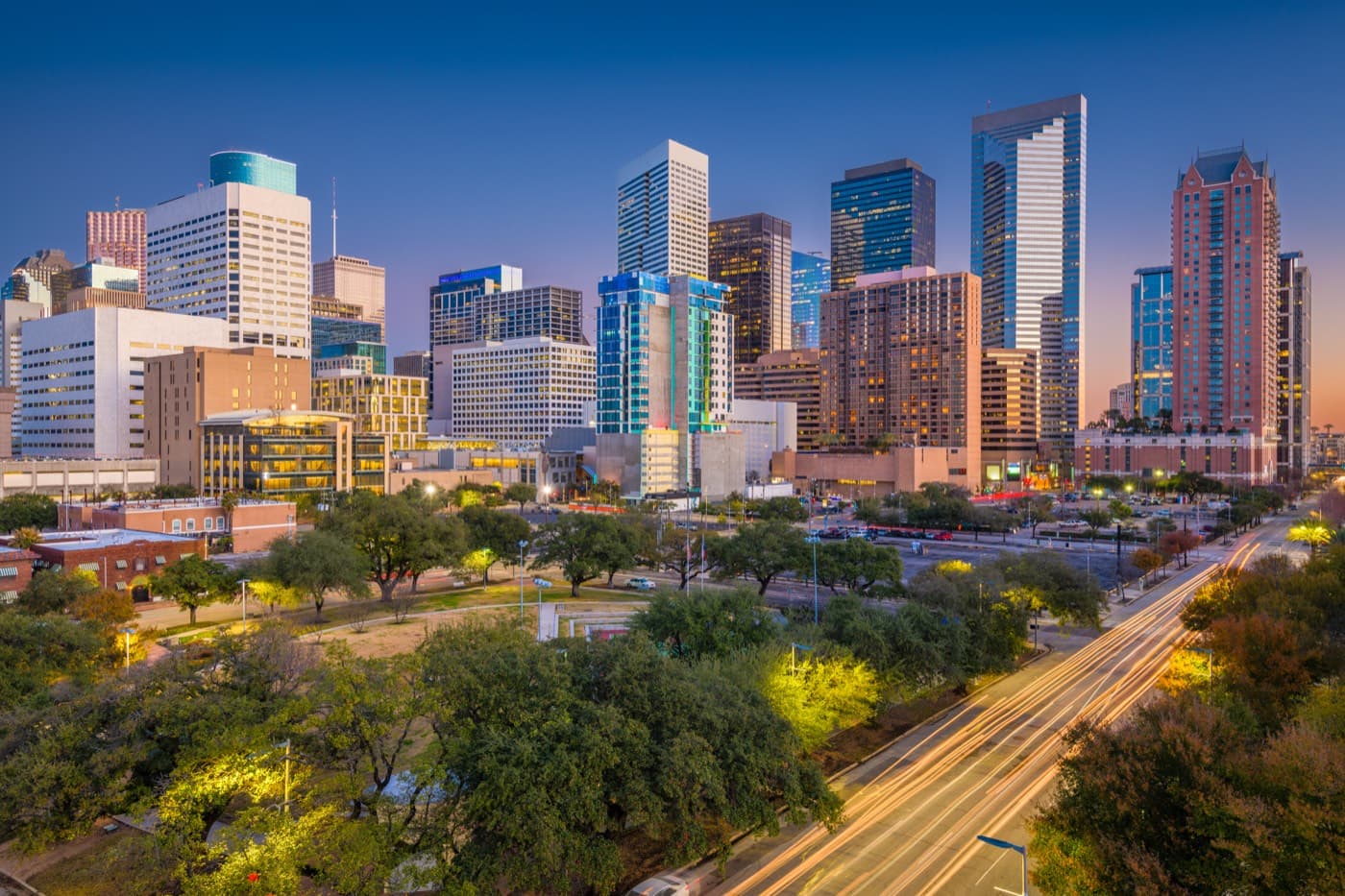
Downtown Houston commercial rooftops

Roofing over a functioning hospital or a working lab is a different discipline than roofing over a warehouse. The space below cannot be exposed to water, and it often cannot be exposed to noise, vibration, dust, or fumes either. Research interiors can be sensitive to vibration in ways that affect instruments and experiments. Patient floors need quiet. Infection-control standards govern what can be disturbed and when. And the rooftop equipment running life-safety systems and clinical operations cannot simply be shut off so a crew can work around it.

That means the planning matters as much as the roofing. Before any work, we map what is below each roof zone, identify which areas are over critical space, and build a sequence that protects the interior and respects how the building actually runs. Tie-ins, temporary protection, and the handling of every penetration get worked out in advance, because there is no improvising over an operating room.

Parking structures are roofs too
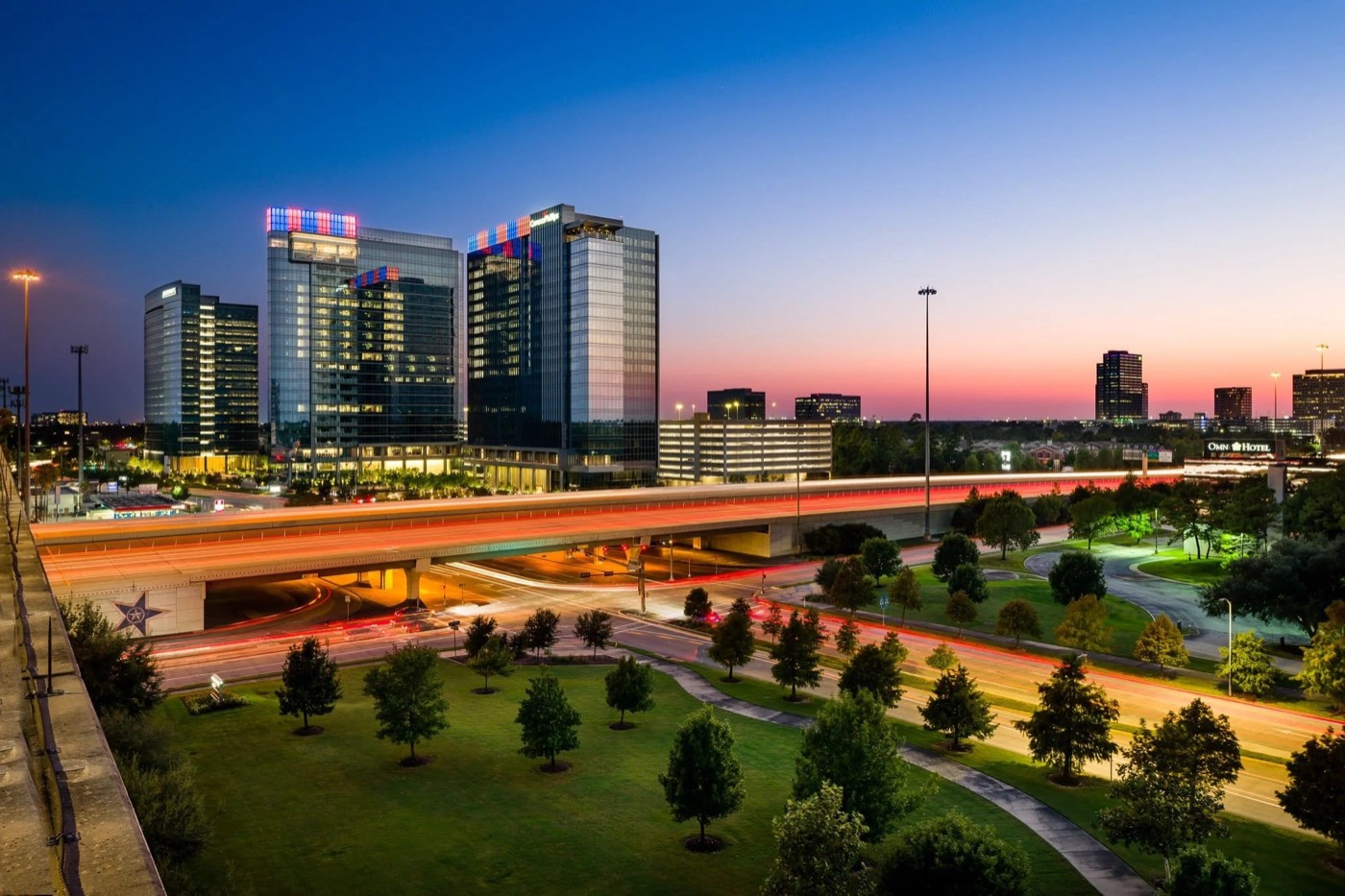
Houston Energy Corridor commercial buildings

The Texas Medical Center moves enormous volumes of people, and the parking structures that serve it are everywhere. The top deck of a TMC garage is a roof in every sense that matters, exposed to full weather and, in many cases, sitting over occupied levels, connected walkways, or building space below. Water that gets through a deck does not just stain a ceiling; it corrodes structure and drips onto cars, equipment, and walkways below. We treat these decks with the same seriousness as a hospital membrane, because the consequences of letting water through are just as real.

The Gulf Coast climate against critical buildings

Houston's weather is hard on every roof, and it is especially unforgiving when the building underneath cannot afford a failure. Hurricane season runs June through November, and the TMC's tall hospital and research towers catch serious wind during a named storm. Wind uplift concentrates at roof edges and corners, and on a building running critical care, the integrity of that perimeter and the rooftop equipment attachment is not a place to cut corners. The complex learned hard lessons about water during Tropical Storm Allison and again during Harvey, and the institutions here take water intrusion as seriously as anyone in the country.