
Trace leaks to their real source instead of chasing the stain on the ceiling tile
Document the existing assembly, penetrations, and prior repairs before recommending anything Inspect perimeter edge metal and attachment with hurricane uplift in mind
Commercial roofers serving Energy Corridor, TX should document leak sources, wet insulation, drainage, edge details, penetrations, and repair history before recommending a scope. Schedule a Roof Review
Flex and light-industrial buildings supporting the larger corporate tenants Newer mixed-use and hospitality construction that filled in after the area matured Each of those calls for a different conversation. A coating that makes sense on a sound office membrane is the wrong answer for a parking deck with active water intrusion, and we say so on the roof rather than after the contract is signed.
Schedule a roof review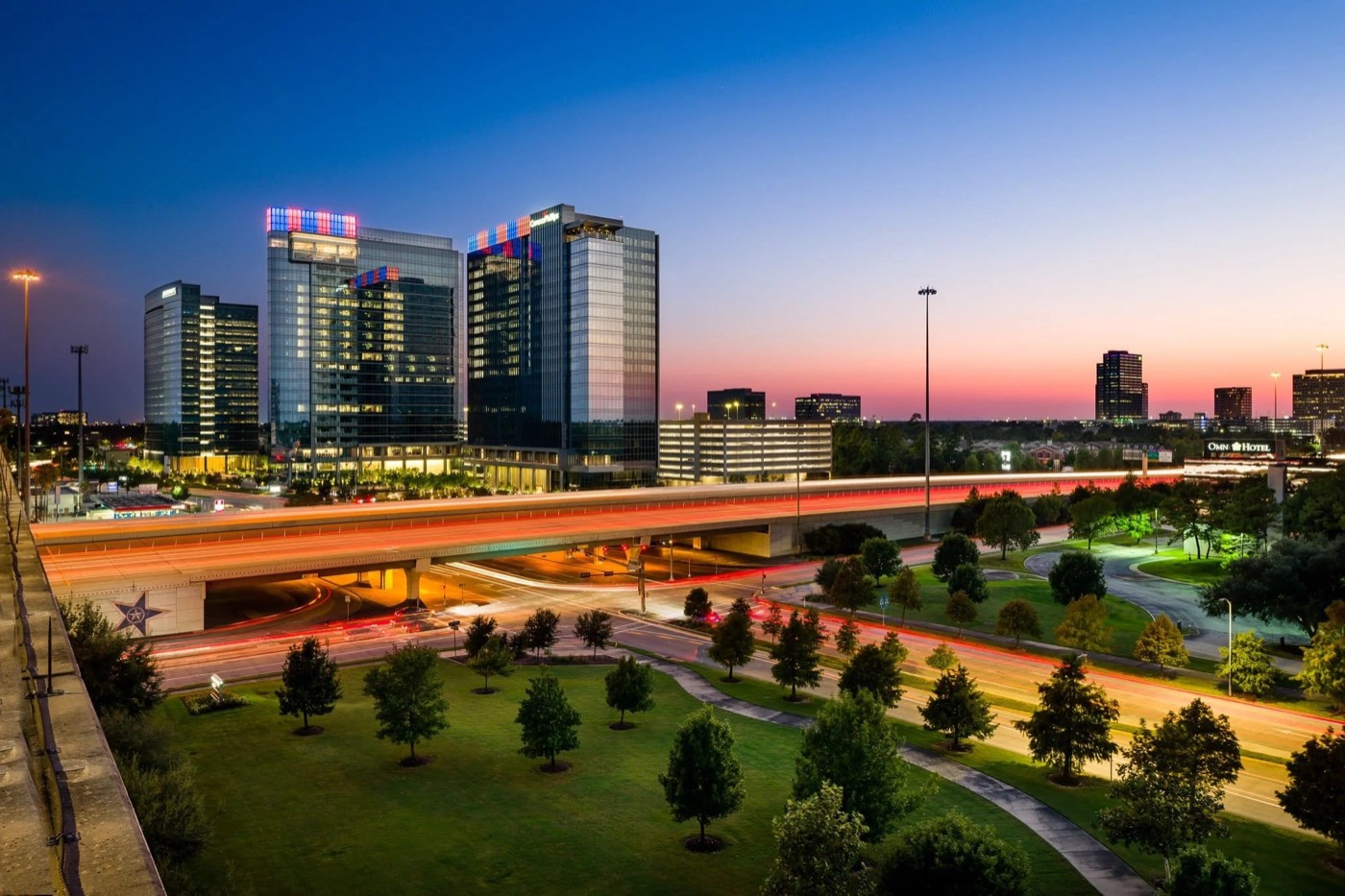
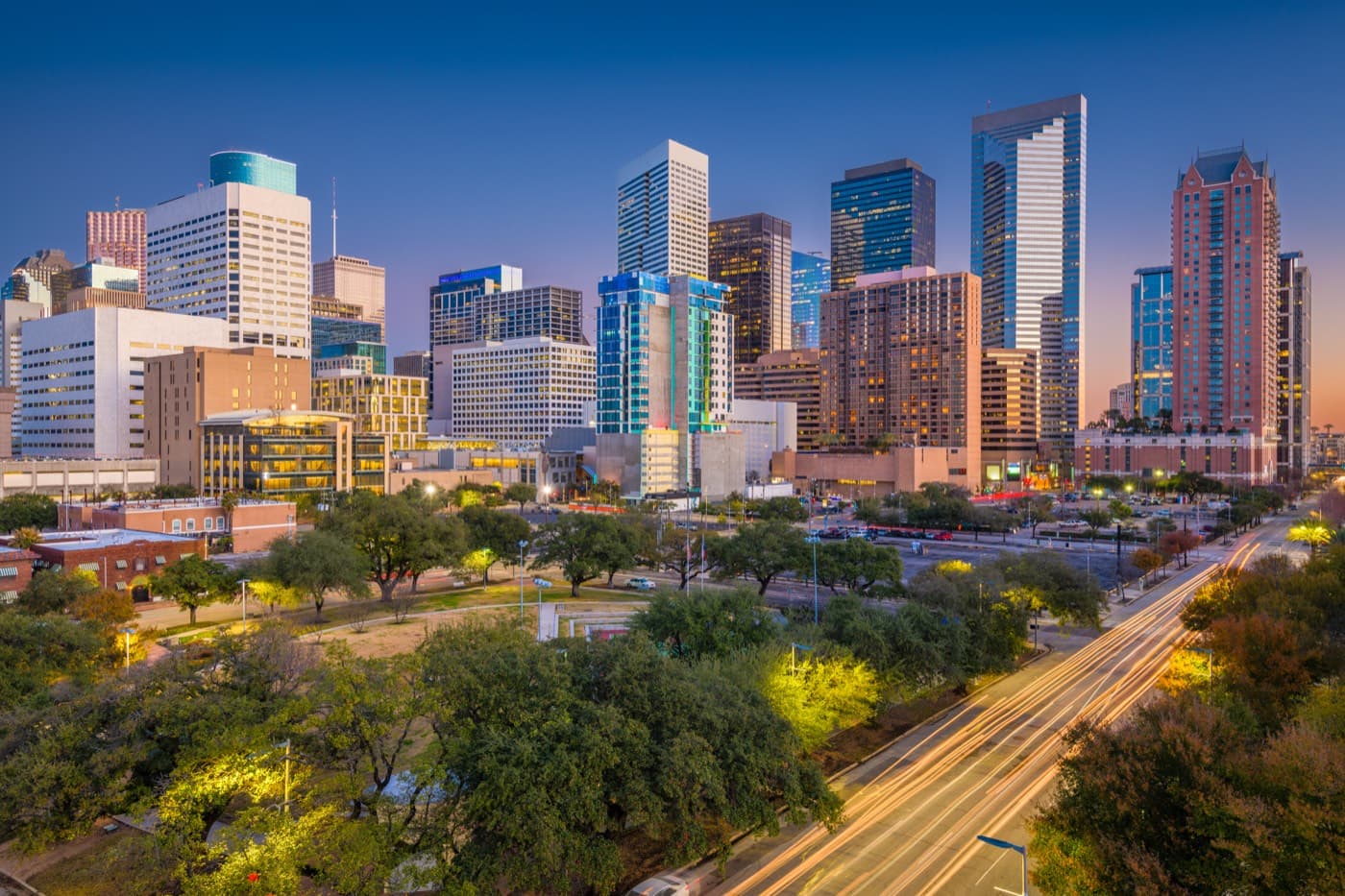
No honest discussion of roofing in the Energy Corridor skips what happened here. This area sits right against Buffalo Bayou and the Addicks and Barker reservoirs, and it has flooded badly more than once. During Hurricane Harvey, controlled reservoir releases put parts of the Energy Corridor under water for days, and buildings along the bayou took damage at and above ground level. That history matters to a roofer for a specific reason: when a building floods, attention goes to the lower floors, and the roof gets inspected last, if at all. We have seen roofs that quietly took wind and debris damage during the same storm that flooded the lobby, and nobody looked up for months.
It also matters because roof drainage and site drainage are connected. A roof that ponds and drains slowly puts more load on a building's storm system at exactly the wrong time. When we assess a roof out here, we pay close attention to the drains, scuppers, and overflow paths, because in this part of Harris County the rain comes hard and fast and the margin for a clogged drain is small.
Houston's climate is the thing that ultimately wears these roofs out, and the Energy Corridor gets the full version of it. Hurricane season runs June through November, and a low-slope roof's worst enemy in a named storm is wind uplift at the perimeter and corners, where pressures are highest. The tall, exposed office towers here catch more wind than a low strip center ever will, so edge metal, membrane attachment, and parapet condition are not details we skim past.
The rest of the year does its own slow damage. Summer rooftop temperatures on a dark membrane climb well past what the air temperature suggests, and that constant heat and UV exposure breaks down membranes, dries out sealants, and ages flashings faster than building owners expect. Hard spring hailstorms come through the west side periodically and bruise membranes in ways that do not leak immediately but shorten the roof's life. Add the heavy, sudden downpours this region is known for, and a roof out here is being tested in four different ways across a single year.
Roof planning notes
Document the existing assembly, penetrations, and prior repairs before recommending anything Inspect perimeter edge metal and attachment with hurricane uplift in mind
Lay out repair, restoration, and replacement as separate options with honest tradeoffs Talk with a Houston commercial roofing team