Skip to content

Roof Tear Off Replacement in Houston, TX

Schedule a Roof Review

  • Roof Tear-Off and Replacement for Houston Commercial Buildings
  • When a commercial roof has reached the end of its service life, a full tear-off and replacement is the only path that actually resolves the problem. We strip the existing roof down to the structural deck, inspect and repair everything that was hidden underneath, and build a new system from the deck up. It is the most involved roofing project an owner takes on, and also the most thorough, because nothing about the old roof's failures gets buried and carried forward. For buildings with saturated insulation, multiple existing membranes, or a deck that needs attention, this is the work that resets the clock for the next two or three decades.
  • When a Roof Has to Come Off
  • Replacement is the right answer when the alternatives have run out, and a few conditions point clearly to it:
  • Widespread wet insulation. Once a moisture survey shows saturation across large areas of the roof, the insulation has to come out. It will not dry, it has lost its R-value, and it will keep feeding leaks and rotting the assembly no matter how many patches go on top.
  • The two-membrane limit. Building code allows no more than two roof membranes on a commercial building. A roof already carrying an original plus one recover cannot legally take a third, so the next re-roof has to be a tear-off to the deck.
  • Chronic, spreading leaks. When repairs stop holding and new leaks appear faster than the old ones get fixed, the membrane is finished and spot work only chases failures around the roof.
  • Deck or structural problems. Damage to the deck itself cannot be addressed from above; the roof has to come off to reach and repair it.
  • What Tearing Off Lets Us Fix

Roof planning guidance

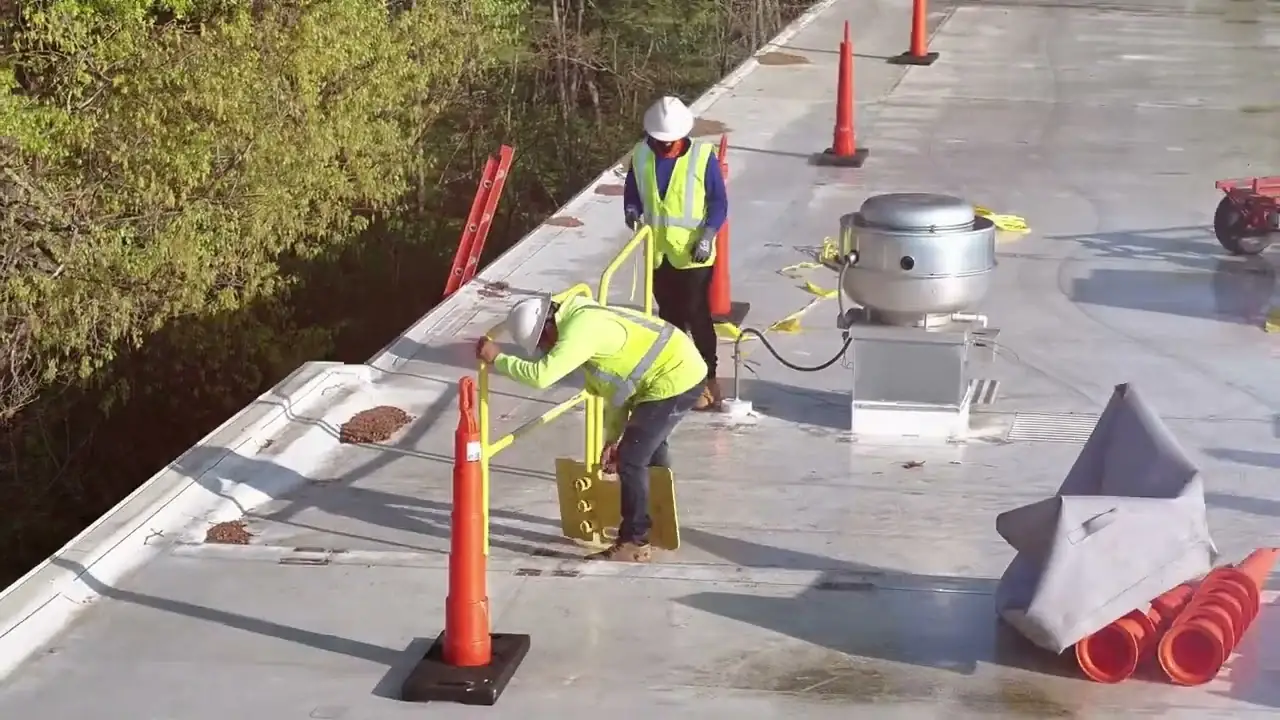
The real value of a tear-off is access. With the old roof gone, the deck is fully exposed for the first time in years, and problems that no overlay or coating could ever reach come into view. We replace deteriorated or rusted decking, re-secure loose fasteners, correct old penetrations and abandoned curbs, and rebuild the assembly with new insulation at the right thickness for current energy code. Tapered insulation and crickets go in to create real slope toward the drains, which is often the chance to fix a drainage layout that never worked. By the time the new membrane goes down, the entire assembly beneath it is new and sound, not a fresh skin stretched over old failures. The Weather Window Is the Whole Challenge A tear-off is the one roofing operation that deliberately exposes the bare deck, and on the Gulf Coast that makes timing and dry-in discipline everything. The hurricane season runs June through November, and the broader rainy stretch is long and arrives without much warning; an afternoon storm over an open deck can flood every floor below, which is exactly the kind of interior damage that hit buildings across the metro during Hurricane Harvey in 2017. We manage this by phasing the work so we only ever open as much roof as we can make watertight the same day, keeping the rest of the building sealed. Every section we strip gets dried in before crews leave, so the building is never left exposed overnight or to a passing storm. On a tear-off here, the dry-in plan matters as much as the new roof itself.

Schedule a roof review
Roof Tear Off Replacement in Houston, TX
Downtown Houston commercial rooftops

Choosing the New System

A tear-off is the moment to put the right roof on the building rather than replace like with like out of habit. The choice depends on the building's use, its rooftop traffic, its wind exposure, and the owner's plans for it:

Single-ply membranes (TPO, PVC, EPDM): Lightweight, efficient, and widely used on warehouse, retail, and office roofs, with reflective options that fight the heat.

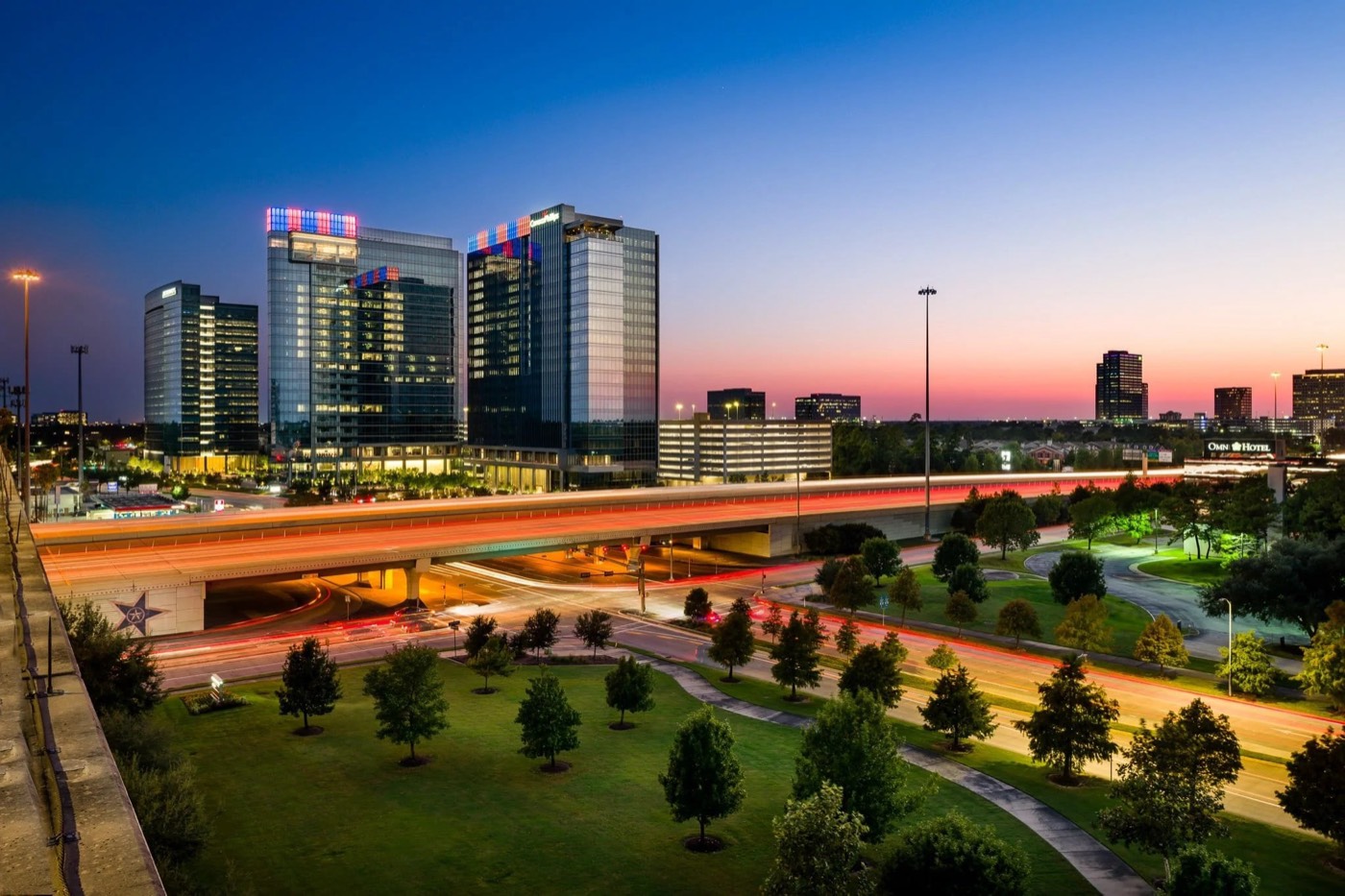
Houston Energy Corridor commercial buildings

Modified bitumen and built-up systems: Multi-ply, redundant, and tough where heavy foot traffic and puncture resistance matter, as on many institutional and industrial roofs.

Reflective and cool-roof surfaces: Specified to cut rooftop temperature and cooling load through our long hot season and to meet the cool-roof reflectance direction Texas energy code pushes for large commercial buildings.

Whatever the membrane, we design the attachment and the edge metal for real wind uplift, because hurricane-force gusts find the perimeter and corners first, and a roof that fails at the edge peels from there. Getting the fastening pattern, the edge securement, and the flashings right is what keeps a new roof on the building when a storm tests it.

Roof planning notes

A Replacement That Holds Up Here

Talk with a Houston commercial roofing team

Where We Do This Work

The metro's enormous stock of flat and low-slope commercial and industrial roofs takes a beating from several directions at once: relentless summer UV and heat, large hail, wind uplift in storm season, and frequent heavy rain. A replacement is the chance to answer all of them in one assembly. The new system gets impact resistance for hail, reflectivity for the heat, proper slope and upsized drainage for the rain, and engineered attachment for the wind. Drainage in particular gets rethought during a tear-off, since the roof is open and Harris County Flood Control District expectations tightened after Harvey, so what leaves the roof can be sized and routed correctly instead of inherited from a layout that never kept up. Tear-off and replacement projects span the full range of commercial buildings across the metro. Warehouse and distribution roofs along the Beltway 8 and Ship Channel logistics belt cover vast areas that, once saturated, can only be reset with a full strip and rebuild. Office and mixed-use buildings around the Galleria, Westchase, and the Energy Corridor reach the end of their roof life and need a replacement that protects the tenants below throughout the work. Institutional and industrial facilities, including the dense, equipment-laden roofs of the Texas Medical Center and manufacturing plants near the port, rely on a phased, watertight replacement that keeps operations running while the roof is rebuilt over their heads.

Request a Replacement Assessment

If your roof is leaking faster than it can be patched, holding water it will never shed, or simply old enough that you are weighing a full replacement, the place to start is a moisture survey and an honest condition report. We will scan for trapped water, check the deck and drainage, count the existing membranes, and tell you plainly whether you are at the point of a tear-off and what the right new system would be. Reach out whenever you would like us to take a look and we will arrange an assessment. Talk with a Houston commercial roofing team