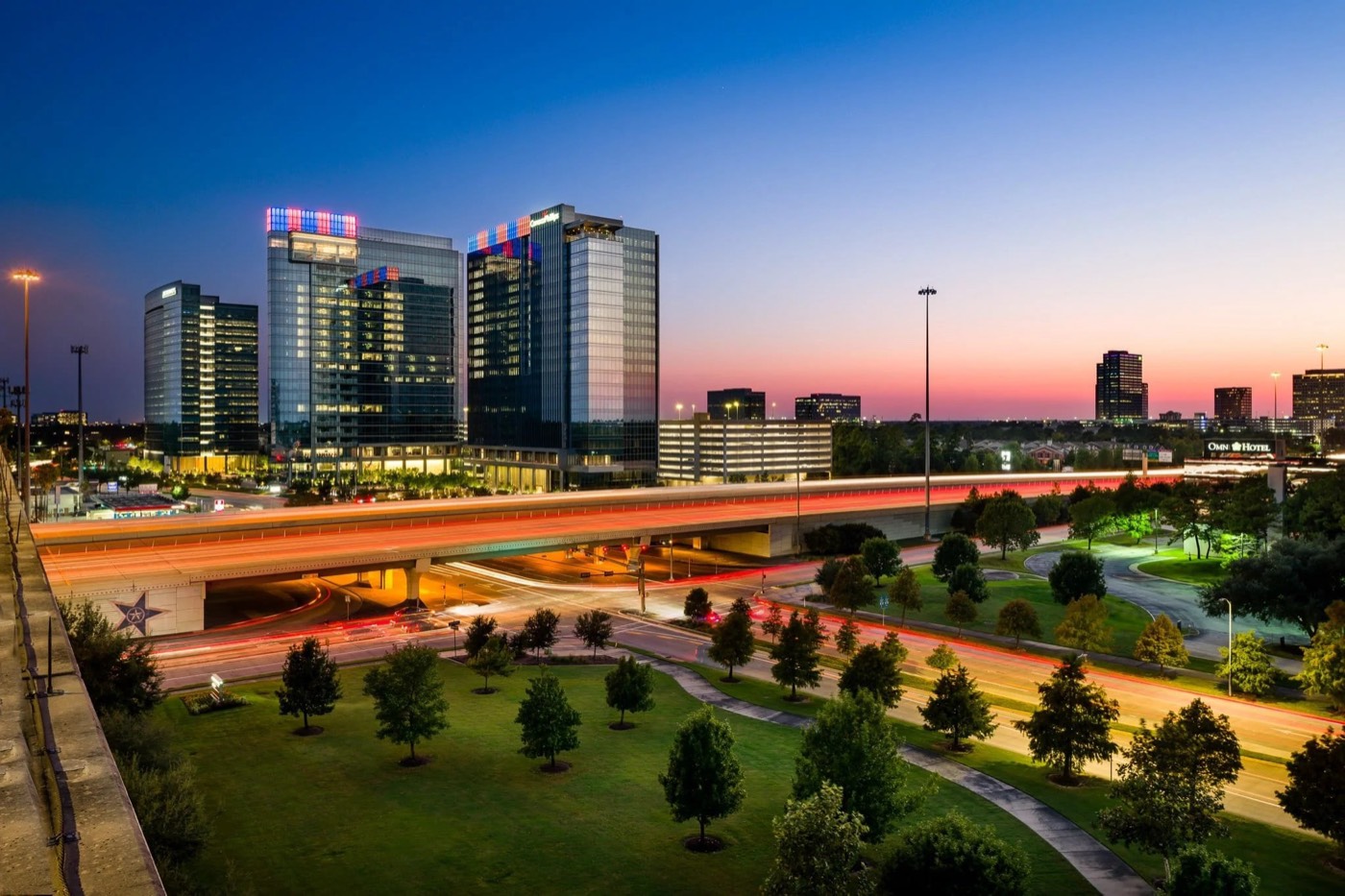
The case for a recover is unusually strong in this climate, mostly because of what a tear-off exposes you to. The hurricane season runs from June through November, and the broader rainy stretch is long and unpredictable; tearing a roof down to bare deck in that window is a real gamble, since an afternoon storm over an open roof can flood the floors below. A recover never opens the deck, so the building stays protected from the moment work starts to the moment it finishes. The disruption stays low too, which matters for the businesses, warehouses, and institutions that cannot simply close while the roof comes off.
A recover is also a natural moment to fix the heat problem. Older commercial roofs across the metro are dark, sun-beaten, and were never built to reflect anything, and rooftop temperatures here run past 160 degrees on summer afternoons. Installing a new reflective membrane over the old roof drops surface temperature, eases cooling load through our long hot season, and moves a large commercial building toward the cool-roof reflectance direction that Texas energy code has pushed. You get a new roof and a cooler building in the same project, without ever exposing the deck.