

Skip to content

PVC Roofing in Houston, TX

Schedule a Roof Review

  • PVC Single-Ply Roofing for Houston Commercial Properties
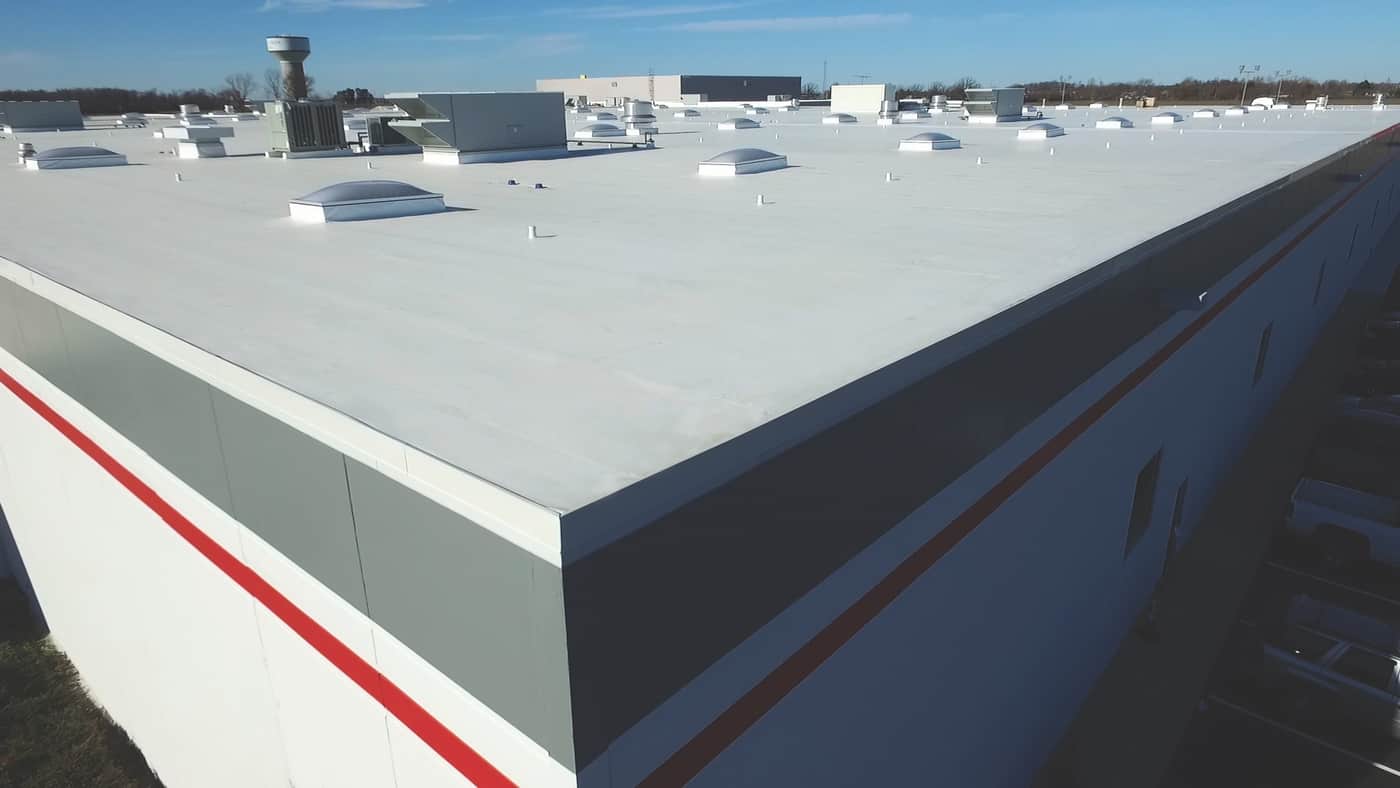
  • PVC membrane is one of the few flat-roof systems engineered to take everything the upper Gulf Coast throws at a building and still hold a watertight seal for decades. We install heat-welded PVC roofing across Greater Houston and Harris County on the kind of low-slope structures that dominate this market: warehouses along the Ship Channel, retail strips off the Katy Freeway, restaurants in Midtown, and office buildings in the Westchase District. The membrane's combination of reflectivity, chemical resistance, and welded-seam strength is what makes it worth specifying over cheaper alternatives in a climate this aggressive.
  • What Sets PVC Apart From Other Single-Ply Membranes
  • PVC is a thermoplastic, which means its seams are fused together with hot air rather than glued with adhesives or taped with cover strips. When two sheets are heat-welded correctly, the overlap becomes a single monolithic piece of material. There is no separate bond line to peel, dry out, or fail under thermal cycling. On a Houston roof that swings from a 40-degree January morning to a 160-degree surface temperature in August, that distinction matters enormously, because adhesive-based laps are the first thing to give up under repeated expansion and contraction.
  • The other advantage is what the resin is formulated to resist. PVC holds up to grease, animal fats, and a wide range of industrial chemicals far better than EPDM or standard TPO. That is why it is the default choice for kitchen exhaust environments and for plants near the petrochemical corridor where rooftop air handlers pull in airborne contaminants. The membrane also carries plasticizers that keep it flexible, and modern formulations are built to retain that flexibility through years of UV exposure rather than turning brittle.
  • Why PVC Performs in the Houston Climate
  • Three local conditions drive most flat-roof failures here, and PVC was designed to push back on all of them.
  • Relentless heat and UV. Houston runs hot for the better part of the year, and a dark roof can add real load to a building's cooling system. White reflective PVC bounces a large share of solar radiation back off the roof, which lowers surface temperatures, eases the strain on rooftop HVAC, and slows the thermal aging of the membrane itself.
  • Ponding water from heavy rain. Between routine Gulf downpours and the drainage realities that come with our flat terrain, water sits on low-slope roofs longer here than in most of the country. PVC's chemistry and welded seams tolerate standing water without the seam degradation that plagues other systems, which is critical on roofs that drain slowly during the wet months.

Roof planning guidance

Wind uplift during storm season. From June through November, sustained winds and gusts test every attachment point on a roof. We engineer PVC assemblies, whether mechanically fastened, adhered, or ballasted, to meet wind-uplift requirements appropriate to the building's height, exposure, and location, so the membrane stays put when a system blows through. How We Install PVC Roofing A durable PVC roof is as much about the layers underneath as the membrane on top. We start by evaluating the existing deck and substrate, because welding a premium membrane over saturated insulation or a failing deck only buries the problem. Where the old roof is sound, we may be able to install over a recover board; where it is not, a full tear-off protects the investment.

Schedule a roof review
PVC Roofing in Houston, TX
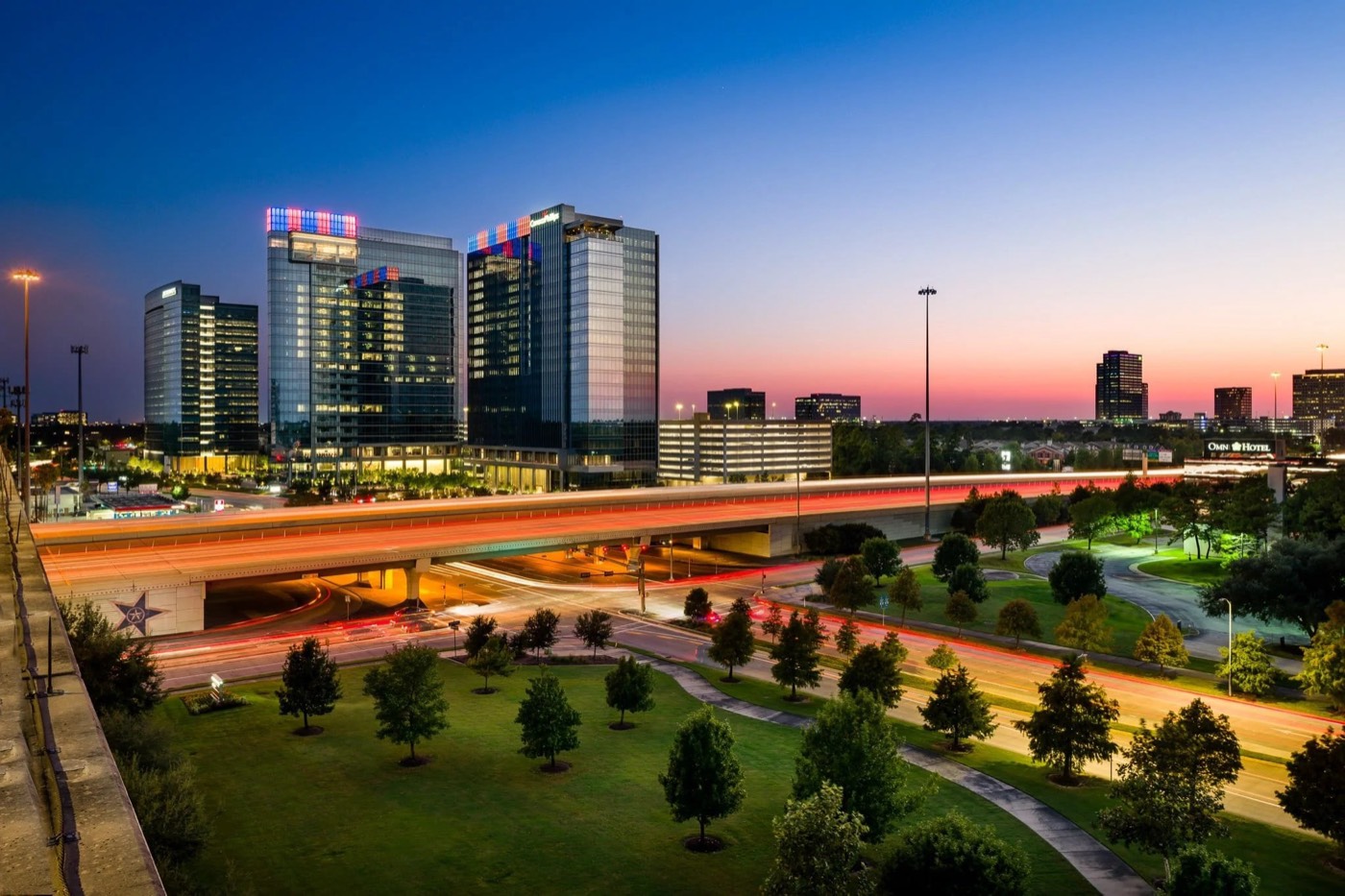
Downtown Houston commercial rooftops

From there the assembly is built up deliberately:

Inspection and, where needed, repair or replacement of the structural deck

Installation of cover board and the appropriate thickness of polyiso insulation to hit the building's thermal target

Houston Energy Corridor commercial buildings

Layout and attachment of the PVC membrane using the mechanically fastened, fully adhered, or ballasted method that fits the wind exposure

Hot-air welding of every seam, followed by probing each weld to confirm a continuous bond

Detailing of penetrations, curbs, drains, and parapet flashings with PVC-coated metal and pre-formed corners

Roof planning notes

Roof Scope Notes

Talk with a Houston commercial roofing team

Long-Term Value and Maintenance

PVC's reflectivity is not only a comfort issue; it can meaningfully reduce cooling demand on a building that runs its air conditioning most of the year. Lower rooftop temperatures also mean the membrane and the insulation below it age more slowly, which protects both the roof and the energy savings over time. A reflective PVC system frequently qualifies for energy-related credits and meets cool-roof criteria, and the lighter surface keeps the rooftop more workable for crews servicing equipment in the heat. Like any commercial roof, PVC rewards routine attention. We recommend inspections after major storms and at least twice a year, with particular focus on keeping drains and scuppers clear so water moves off the roof, and on checking the seams and flashings around any rooftop equipment that has been added or serviced. Caught early, small issues at a penetration are a quick repair; ignored, they become interior damage and insurance claims.

Where PVC Makes the Most Sense in Houston

Not every building is a candidate for a premium thermoplastic roof, but a lot of the commercial stock around here is. PVC tends to earn its keep on a few specific property types. Cold-storage and food-distribution facilities benefit from the membrane's resistance to the chemicals and washdown environments common to that work. Industrial buildings in the Ship Channel belt and near the petrochemical plants are exposed to airborne contaminants that degrade lesser membranes, and PVC stands up to that load. Buildings with kitchen or grease exhaust, whether a standalone restaurant or a food tenant inside a larger structure, need the grease resistance that only PVC and a handful of specialty membranes provide. Talk with a Houston commercial roofing team