Skip to content

Metal R Panel Roofing in Houston, TX

Schedule a Roof Review

  • R-panel roofing for Houston commercial buildings
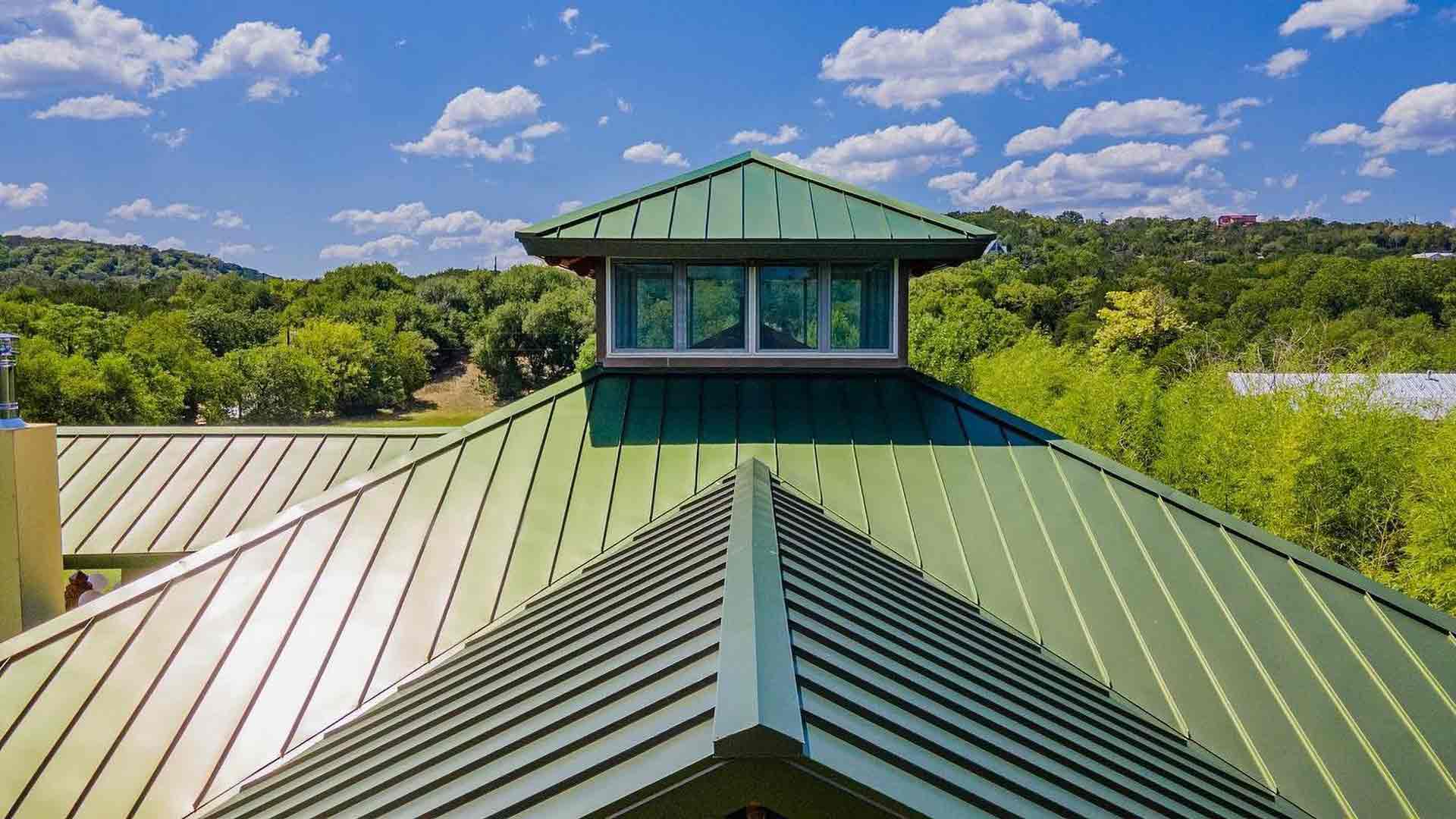
  • R-panel is the workhorse of commercial and industrial metal roofing, and it is everywhere across the Houston region: warehouses and distribution buildings, metal shops and fabrication plants, agricultural and equipment structures, strip retail, self-storage, and the countless pre-engineered metal buildings that line the industrial corridors out toward the Energy Corridor, the northwest beltway, and the Ship Channel. The panel takes its name from its profile, a ribbed sheet rolled from coated steel that runs in long lengths up the slope and fastens through the face into the structure or purlins below. It is economical, fast to install over a large footprint, and tough when it's detailed right.
  • We install new R-panel roofs, re-roof tired ones, and repair the leaks that exposed-fastener systems eventually develop. Whether you're putting a roof on a new metal building or trying to get another decade out of one that's started to weep at the screws, we work in this profile every week.
  • What R-panel is and where it makes sense
  • R-panel is an exposed-fastener system, meaning the screws that hold it down pass through the panel and are visible on the surface, sealed by a rubber washer under each head. That is the source of both its strengths and its weaknesses. It goes down quickly and costs less than a concealed-fastener standing-seam roof, which is exactly why it dominates large, slope-roofed commercial and industrial buildings where budget and coverage matter. The trade-off is that every fastener is a penetration through the roof surface, and a roof can carry thousands of them.
  • We roll panels in the standard 26 and 24 gauge steel that suits commercial use, with Galvalume or coated finishes chosen for the exposure. Heavier gauge resists hail denting and foot traffic better; the right factory paint finish holds its color and sheds heat under relentless Gulf Coast sun far longer than a budget coating. For a building owner, the panel itself is rarely the failure point. The fasteners and the flashings are.
  • Why exposed fasteners fail, and how we install to delay it
  • The neoprene washer under each screw head is the part that ages. Years of UV and heat cycling harden the rubber, the panel expands and contracts with every hot day and cool night, and eventually the seal at the fastener relaxes and the screw backs out a fraction. Multiply that across a large roof and you get the classic R-panel symptom: dozens of tiny weeps that show up as ceiling stains after heavy rain. We install with the correct fastener, driven to the right depth so the washer seats without crushing, landed in the panel flat where it belongs, and we don't over-drive or under-drive, the two installer errors that doom a roof early. Good detailing at install is the difference between a roof that goes twenty years and one that's leaking in eight.
  • Re-screwing and panel repair

Roof planning guidance

When an existing R-panel roof starts to leak at the fasteners, the fix is often not a tear-off. A re-screw, replacing the original screws with larger-diameter oversized fasteners that bite into fresh metal and reseat a new washer, can restore a sound panel roof for a fraction of replacement cost. We assess whether your panels still have the integrity to justify it, replace damaged or storm-bent sheets where needed, and rebuild the flashings at the ridge, eaves, valleys, endwalls, and around penetrations, which is where a surprising share of R-panel leaks actually originate. Where a roof is too far gone, we'll tell you that plainly rather than chase failures across a dying surface. Coating an R-panel roof For a structurally sound but weather-worn metal roof, a fluid-applied coating system can seal the fastener heads and seams across the whole roof at once, reflect heat off the building, and extend service life well beyond what spot repairs deliver. It is a strong option for warehouses and industrial buildings looking to defer a full re-roof and cut cooling load at the same time. We'll evaluate whether your panels are a candidate for coating or whether re-screwing or replacement is the smarter spend.

Schedule a roof review
Metal R Panel Roofing in Houston, TX
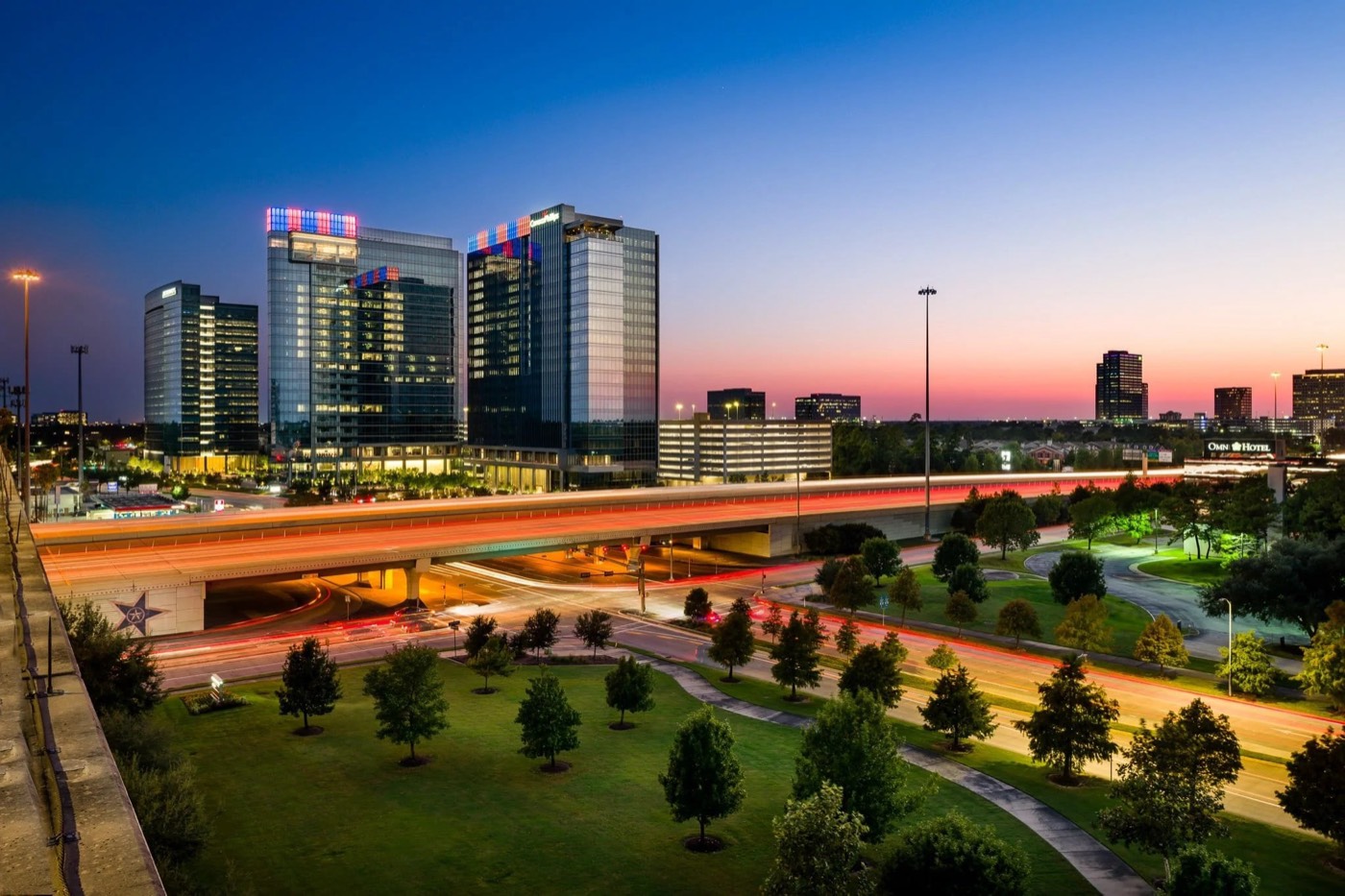
Downtown Houston commercial rooftops

New metal building installs

On new pre-engineered metal buildings we set the R-panel roof over the structural framing with the underlayment, insulation, and vapor control the building needs, then run the panels in full lengths up the slope to cut down on end laps, which are a common leak origin when a roof is pieced together from short sheets. We detail the eaves, ridge, rakes, and any roof-to-wall conditions with matching trim and closures so the assembly is sealed against wind-driven rain from day one. Getting the fastener pattern and the closures right at install is far cheaper than chasing leaks across a building that's already occupied.

Condensation and the cold-metal problem

Houston Energy Corridor commercial buildings

Metal roofs have a quiet enemy that has nothing to do with rain: condensation. On a humid Gulf Coast morning, warm moist air inside a building meets the underside of cold steel and water beads on the panel, then drips onto stored goods or equipment and gets blamed on a leak that doesn't exist. The fix is in the assembly, not the surface, so we address it with the right insulation, vapor retarder, and ventilation strategy for how the building is used. For uninsulated warehouses and shops that sweat in our humidity, this is one of the most common problems we're asked to solve, and treating it as a roof leak instead of a condensation issue wastes money on the wrong repair.

What Houston weather does to metal roofs

The fastener problem is accelerated by our climate. Intense year-round heat and UV cook the washers and drive the daily thermal movement that loosens screws faster here than in milder regions. Then comes the storm season. From June through November Houston is exposed to hurricanes and severe squall lines, and high wind generates uplift that pries at panel edges, ridge caps, and trim, the points where exposed-fastener systems let go first. Gulf Coast hail dents lighter-gauge panels and can split aged washers outright. And the sheer volume of rain we take, the kind of totals Harvey delivered in 2017, will find any compromised seal in a hurry. A metal roof in this region has to be fastened and flashed for wind uplift and detailed to shed serious water, not just built to spec on a calm day.

Roof planning notes

Storm-ready edges and trim

Talk with a Houston commercial roofing team

Get an honest look at your panel roof

Because wind uplift is the real threat here, we pay particular attention to the perimeter, the ridge, and the trim, fastening edge metal and closures to hold under the suction that builds at a roof's edges and corners during a storm. Tight, properly fastened trim is what keeps a panel field from peeling when the gusts arrive, and it's the detailing most often shortcut on a cheap install. If your metal roof is staining ceilings after rain, showing backed-out screws, or just reaching the age where the washers give out, we're happy to climb it and tell you where it stands, whether it needs a re-screw, a coating, selective panel work, or a full replacement. Reach out and we'll set up a straightforward assessment.

Talk with a Houston commercial roofing team

Call 713-388-6346 or email info@commercialroofingcontractorshouston.com for help with metal r-panel roofing | houston, tx commercial metal roofers in Greater Houston. Related Houston roofing paths