
Skip to content

EPDM Roofing in Houston, TX

Schedule a Roof Review

  • Proven Rubber Roofing for Low-Slope Buildings
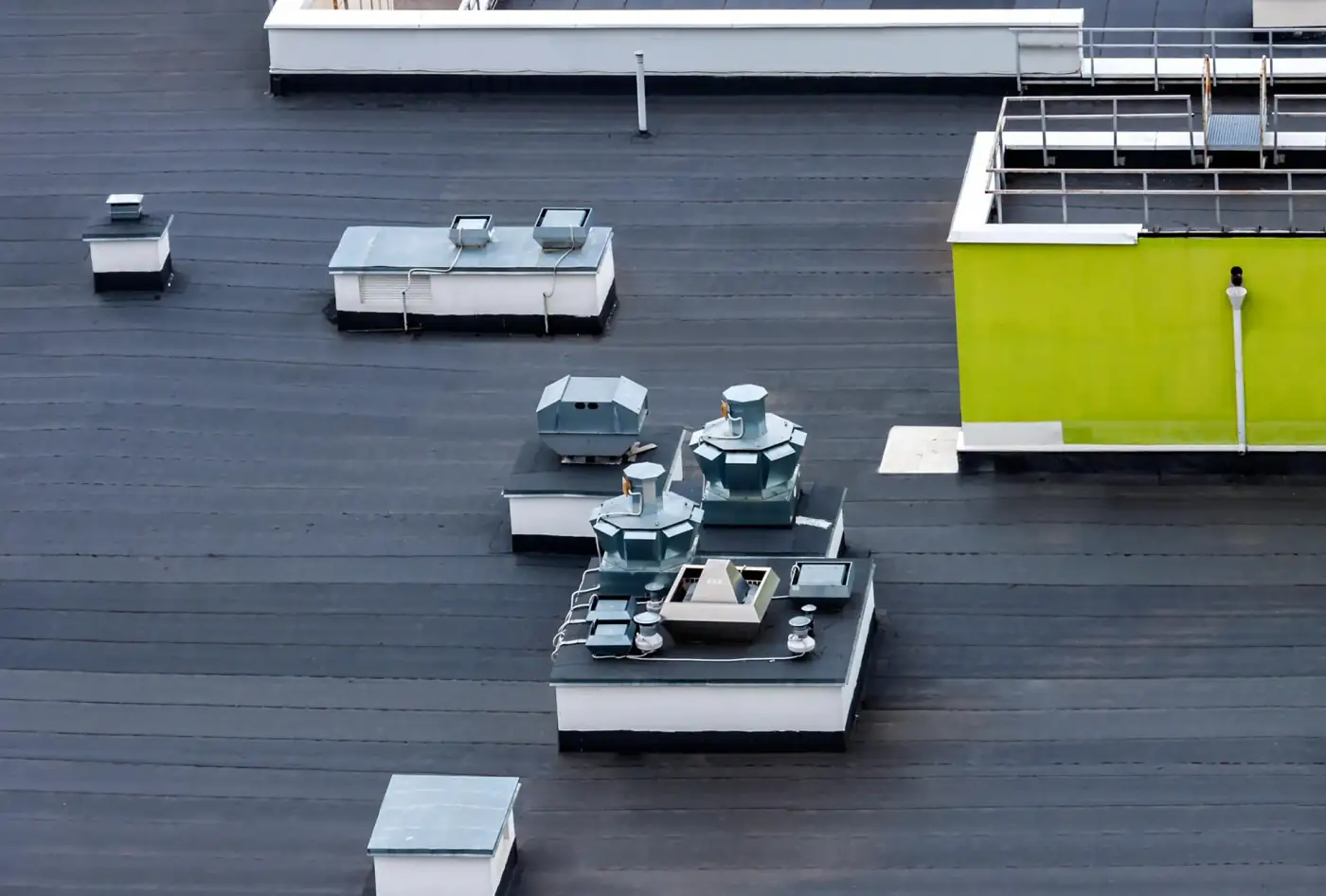
  • EPDM has earned its place on commercial rooftops the hard way, by lasting. This synthetic rubber membrane has been protecting low-slope buildings for decades, and the reason it keeps showing up on warehouses, retail centers, and institutional buildings is simple: it is tough, it flexes, and it does not give up easily under weather that wrecks lesser materials. For the right building, EPDM is one of the most dependable single-ply systems we install.
  • We install, repair, and replace EPDM across the full range of commercial structures in the region, and we are candid with owners about when this membrane is the smart choice and when another system fits better. EPDM is a workhorse, not a cure-all, and matching the material to the building is half the job.
  • What EPDM Brings to the Roof
  • EPDM is a single-ply rubber membrane prized for its elasticity and its resilience. Where it earns its reputation:
  • Exceptional flexibility that lets the membrane stretch and recover through constant thermal movement instead of cracking, which matters on a roof that heats and cools every single day here.
  • Outstanding weathering and UV resistance , with a long track record of holding up under sustained sun exposure rather than getting brittle.
  • Strong resistance to hail and impact , since rubber absorbs a strike that might puncture a more rigid surface, a meaningful advantage in a region that sees serious hail.
  • Long service life when properly installed and maintained, often outlasting the original cost expectations by years.

Roof planning guidance

Straightforward repairability , because seams and punctures can be addressed cleanly without reworking the whole field. Why EPDM Holds Up to Gulf Coast Weather The flexibility that defines EPDM is exactly what our climate demands. A low-slope roof here expands under blistering summer heat and contracts through cooler, wet stretches, cycling through that movement constantly. A membrane that cannot move with the deck opens at its seams and fasteners; EPDM stretches and returns, which is why it ages gracefully under thermal stress.

Schedule a roof review
EPDM Roofing in Houston, TX
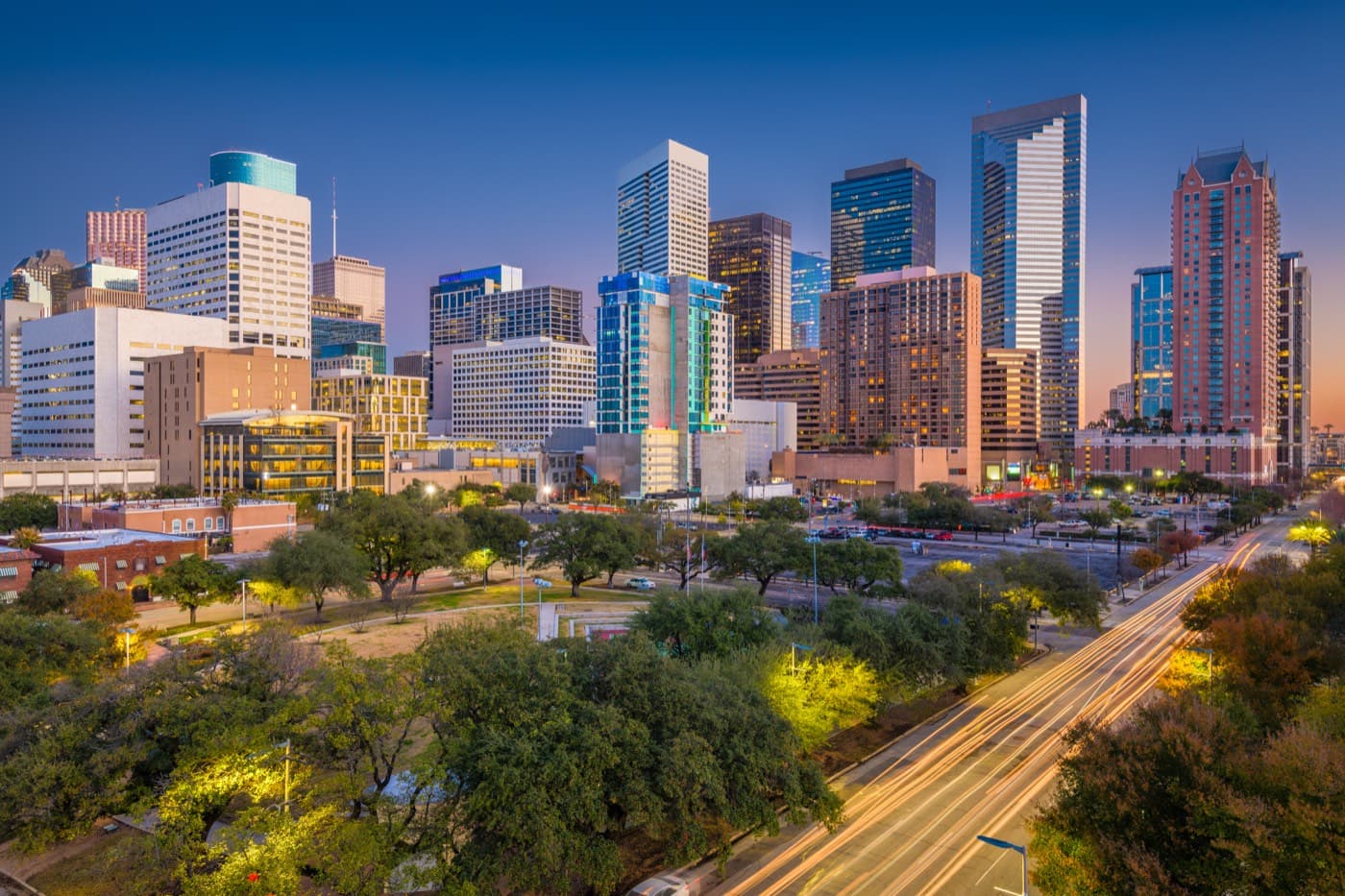
Downtown Houston commercial rooftops

Storm season is the other test. From June through November, tropical systems and hurricanes bring wind uplift and flying debris, and the spring brings hail large enough to wreck rigid surfaces. EPDM’s rubber composition absorbs impact rather than shattering under it, and a properly fastened or ballasted EPDM assembly resists the uplift forces that peel weaker roofs apart. After what Hurricane Harvey demonstrated about water and wind on this coast in 2017, owners pay closer attention to how a membrane actually behaves when the weather turns, and EPDM behaves well.

This is a familiar sight across the older industrial building stock near the Port of Houston and the Ship Channel, on retail and distribution facilities throughout Harris County, and on institutional buildings where a long, low-maintenance service life outweighs other priorities.

Installation Methods We Use

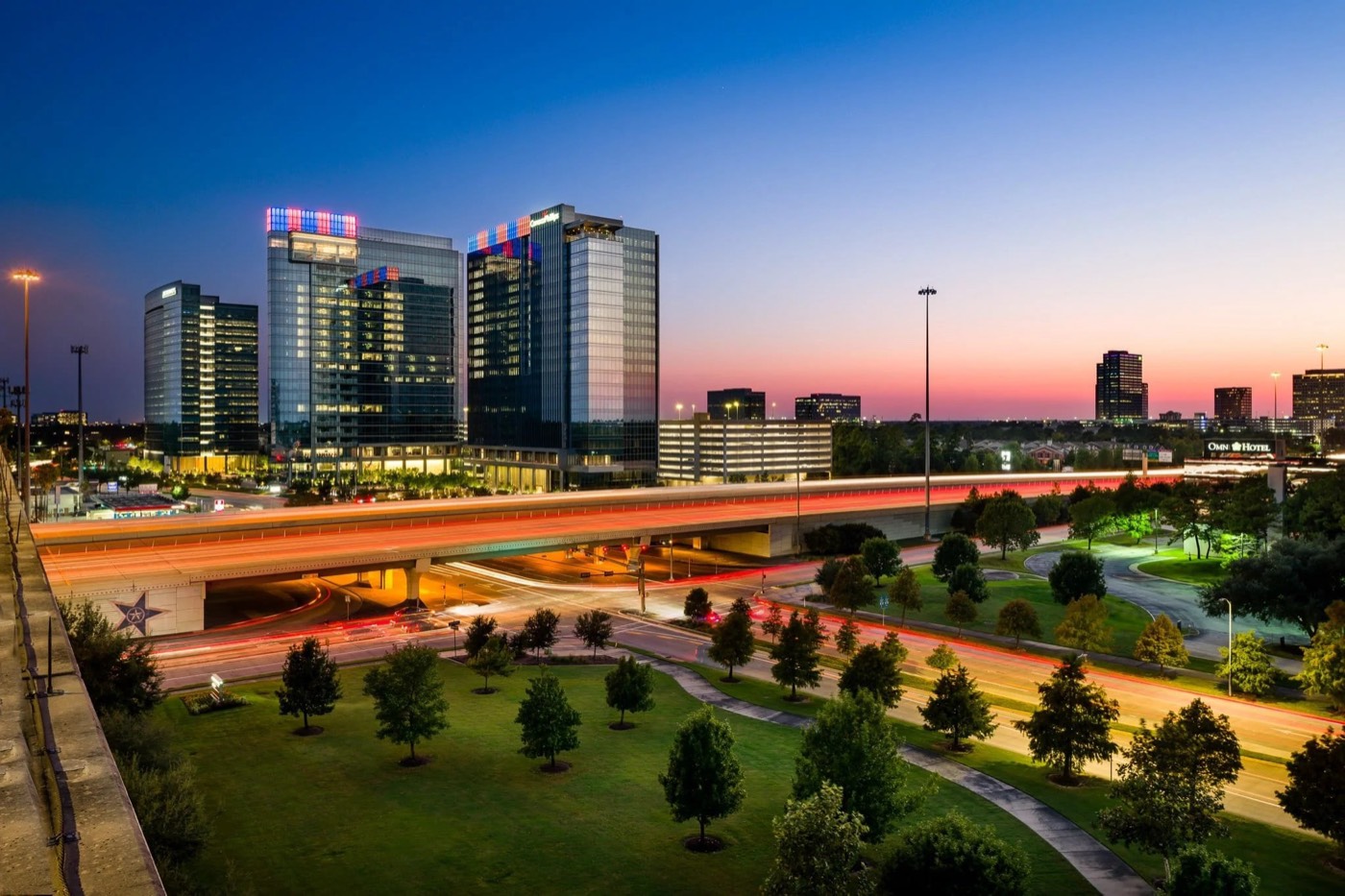
Houston Energy Corridor commercial buildings

EPDM can be installed several ways, and we select the method to fit your building, your deck, and your exposure.

Fully adhered , where the membrane is bonded directly to the substrate for a smooth, high-wind-resistant surface that handles uplift well on exposed sites.

Mechanically attached , fastened along seams to the deck, an efficient approach for many warehouse and distribution roofs.

Roof planning notes

Roof Scope Notes

Talk with a Houston commercial roofing team

Black or White: Choosing the Right EPDM for This Heat

Seam quality is where EPDM jobs succeed or fail, so we treat the seams as the priority they are, using proper tape and adhesive systems and detailing every penetration, curb, and parapet transition with care. A field membrane is only as watertight as its weakest seam. EPDM is best known in its classic black form, and that membrane absorbs solar heat the way any dark surface does. In our climate that absorbed heat works against your cooling bill and adds to the daily thermal load on the roof. That tradeoff is worth an honest conversation. Black EPDM still makes sense on plenty of buildings, particularly where ballast, foot traffic, or building use favor its toughness and where the roof is not driving major cooling costs.

Where EPDM Fits Your Building

For buildings carrying heavy cooling loads through our long warm season, white-surfaced or reflective EPDM, or a reflective coating applied over black EPDM, recovers much of the energy disadvantage while keeping the rubber membrane's flexibility and impact resistance. We help owners weigh durability against reflectivity based on how the building is used and where it sits, rather than defaulting to one answer for every roof. Talk with a Houston commercial roofing team