
Skip to content

Auto Dealership Roofing in Houston, TX

Schedule a Roof Review

  • Auto Dealership Roofing in Houston
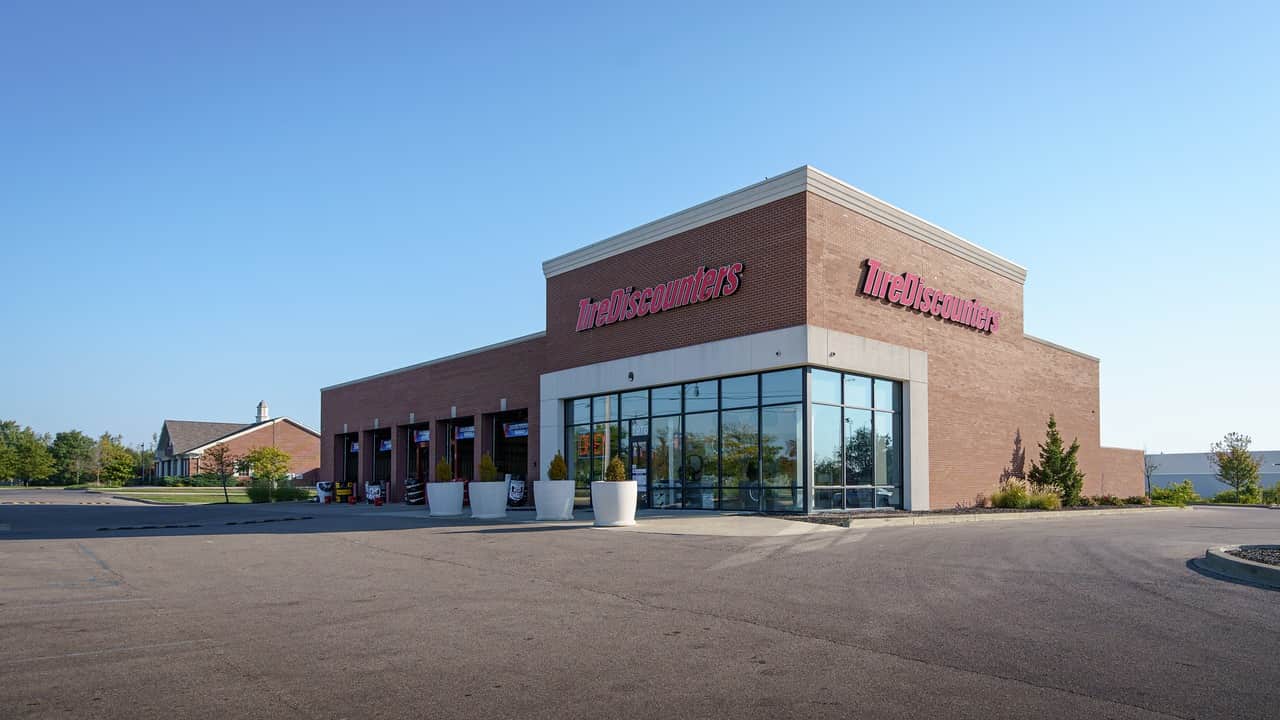
  • A car dealership is not one building under one roof. It is a glass-walled showroom, a high-bay service department, a parts warehouse, a body shop with paint operations, and often a detached used-car or quick-lube structure, each with its own roof type, drainage, and rooftop equipment. We roof all of it for dealerships across the Houston metro, and we plan the work around the reality that a dealership cannot close its doors while we are overhead. From the auto corridors along the Katy Freeway and the Gulf Freeway to the Southwest Freeway and the North Freeway dealership clusters, Greater Houston carries one of the largest concentrations of new- and used-car retail in the South, and every one of those rooftops faces the same Gulf Coast weather.
  • The Different Roofs on a Single Dealership Campus
  • Each part of a dealership puts a different demand on the roof, and a one-size specification serves none of them well:
  • Showroom: Expansive curtain-wall glass, skylights, and visible interior finishes mean a leak shows up fast and embarrasses you in front of buyers. Watertight detailing around skylights and the curtain-wall transition is the priority.
  • Service department: High-bay roofs loaded with rooftop HVAC, exhaust fans, and make-up air units create dozens of penetrations and heavy foot traffic from technicians servicing that equipment. Curb flashings and walkway protection matter most here.
  • Parts warehouse: Large low-slope membrane fields where dry storage is non-negotiable; a single seam failure can ruin inventory.
  • Body and paint shop: Paint booths and solvent exhaust discharge across the roof, which can attack some membranes and demands chemical-aware system selection and frequent flashing inspection.
  • Because these areas were often built or expanded at different times, dealership campuses frequently carry a patchwork of TPO, EPDM, modified bitumen, and metal. We map what is actually up there before we recommend anything.

What Houston Weather Does to Dealership Roofs

The threats here are specific and seasonal. Large hail is a recurring event across the Houston area, and hail finds dealerships twice: it damages the inventory sitting on the lot and it bruises and fractures the roof membranes overhead, often invisibly until leaks begin weeks later. The Atlantic hurricane season runs June through November, and wind uplift at roof edges and corners is what tears membranes loose in a major storm. Hurricane Harvey in 2017 brought catastrophic rainfall to the region, and dealerships with marginal roof drainage or undersized scuppers learned exactly where their water went. Year-round heat and relentless UV slowly degrade membranes and dry out flashings between the big events. For a business whose entire showroom floor and parts inventory sit under that roof, the cost of a failure is not just the repair. It is wet vehicles, damaged stock, slick service-bay floors, and lost sales while the leak is chased. That is why we treat dealership roofs as assets to be maintained on a schedule, not just fixed when they drip.

Schedule a roof review
Auto Dealership Roofing in Houston, TX
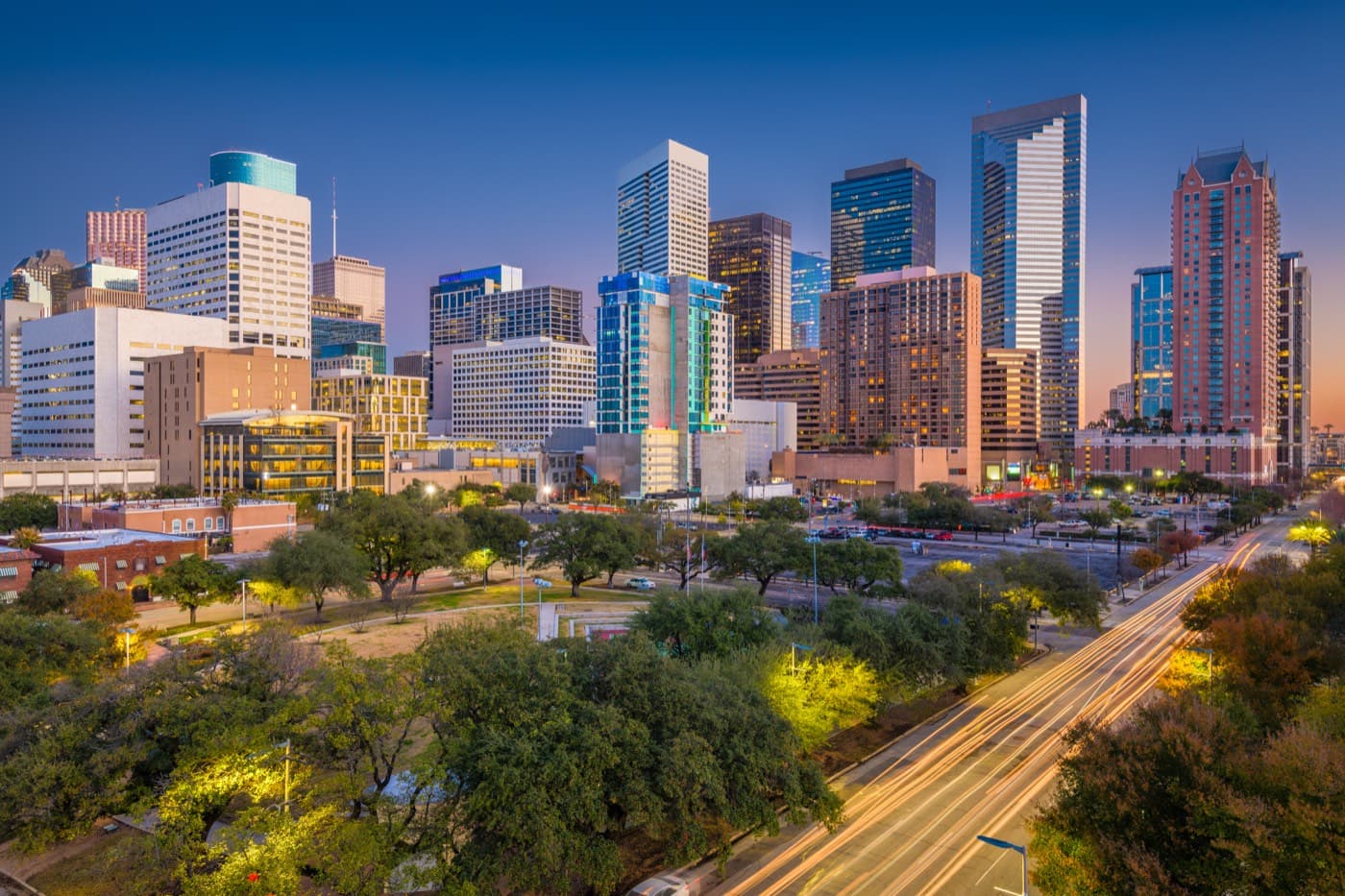
Downtown Houston commercial rooftops

Roofing Around an Open, Operating Dealership

Dealerships run six and often seven days a week, and the rooftop is full of the equipment that keeps the showroom comfortable and the paint booth ventilated. Our approach is grounded in staying out of your way:

We phase the work building by building and section by section so sales, service, and parts can all keep operating.

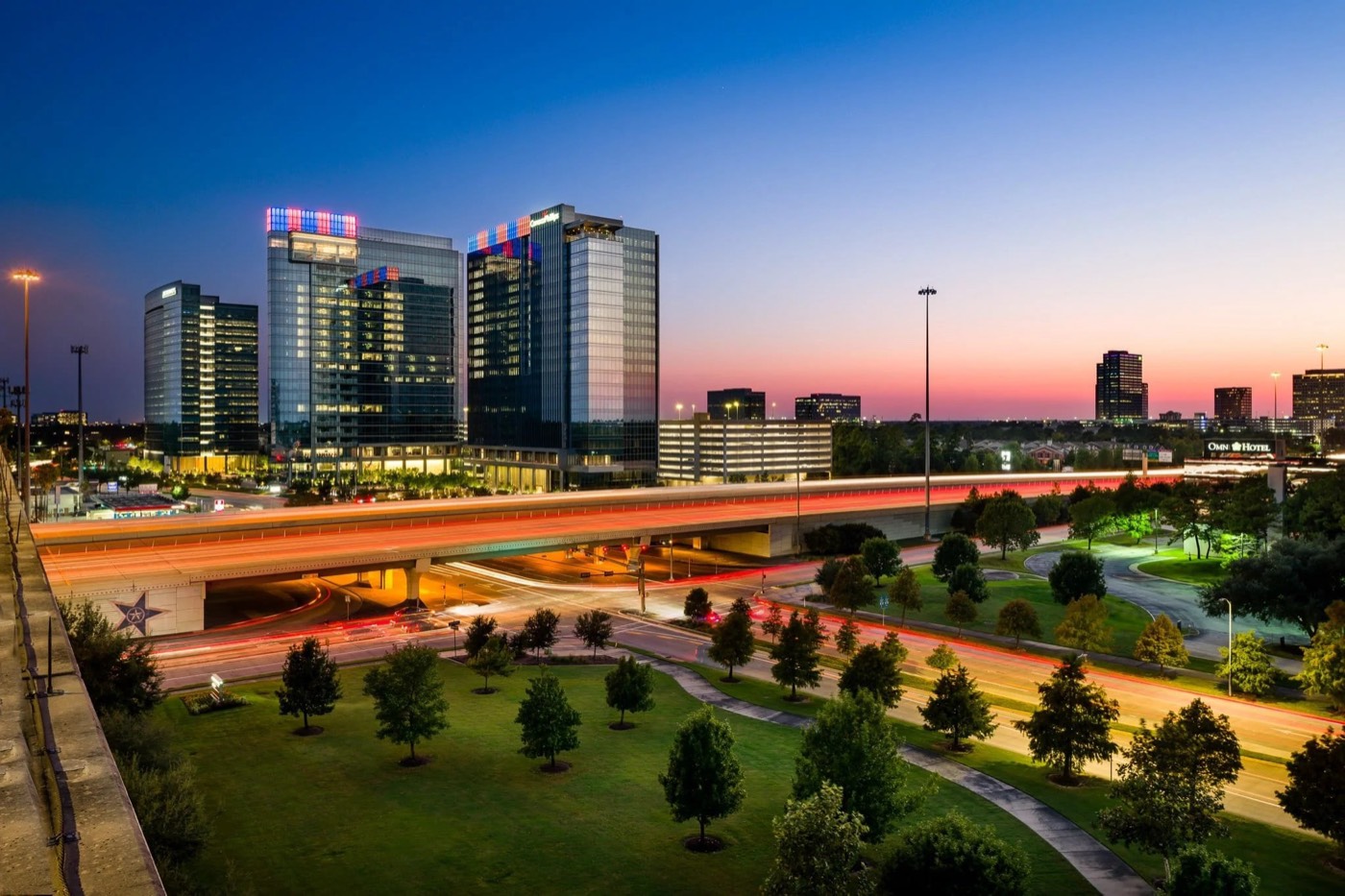
Houston Energy Corridor commercial buildings

We coordinate around your rooftop HVAC, exhaust, and make-up air units, and we re-flash every curb and penetration as we go rather than working around them.

We schedule tear-off and dry-in in increments we can close watertight the same day, watching the Gulf Coast forecast closely during the wet months.

We keep the customer-facing areas — showroom entrance, service drive, and the front lot — clean and clear of debris and fasteners that could damage tires or injure customers.

Roof planning notes

Storm Damage, Hail, and Insurance Documentation

Talk with a Houston commercial roofing team

Choosing the Right System for Each Structure

When a hailstorm or hurricane hits, dealership owners need fast, documented answers. We perform post-storm roof assessments that distinguish genuine impact and wind damage from ordinary wear, and we document conditions clearly so you and your carrier are working from the same facts. Hail in particular can fracture a membrane or split a coating without an obvious hole, and that hidden damage is exactly what leads to interior leaks a month later if it is not caught and addressed. We will tell you honestly whether what we find is a repair, a section replacement, or a full roof claim. For most dealership showrooms and parts buildings we lean toward reflective single-ply membranes that hold up to Houston's UV and heat and keep cooling costs down under all that conditioned glass. With the long Gulf Coast cooling season and rooftop temperatures that climb past 160 degrees on summer afternoons, a bright, reflective roof also eases the load on the rooftop HVAC that keeps a glass showroom comfortable. For service departments dense with equipment and foot traffic, we emphasize puncture resistance and walkway pads along the maintenance routes so technicians servicing rooftop units do not grind down the membrane over time. For body shops, we weigh the chemical exposure from paint and solvent exhaust when selecting a membrane and detailing the discharge points, since some coatings and membranes break down where solvent-laden air settles. And on metal-roofed service buildings, a restorative coating can seal seams and rusting fastener heads and add a reflective skin without a full tear-off. The right answer depends on the building, and we specify per structure rather than blanketing the whole campus.

Used-Car Lots and Detached Structures

Most dealerships are more than the main building. Detached pre-owned sales offices, quick-lube and express-service lanes, detail buildings, and free-standing car washes each carry their own small roof, and these are exactly the structures that get overlooked until one of them leaks onto a desk or a piece of equipment. Many were added years after the original store, sometimes with the cheapest roof that met code at the time, and they sit out in the same hail and the same hurricane wind as everything else on the property. When we assess a dealership we include these outbuildings rather than pricing only the showroom, because a leak in the used-car office costs you a closed deal just as surely as one over the new-car floor. Talk with a Houston commercial roofing team