
Skip to content

SBS modified bitumen roofing for Houston commercial buildings. Multi-ply, redundant flat-roof systems built for foot traffic, hail, and Gulf Coast storms.

Schedule a Roof Review

  • SBS Modified Bitumen Roofing for Houston Commercial Buildings
  • SBS modified bitumen is an asphalt-based, multi-ply roofing system that builds redundancy into a flat or low-slope roof. The SBS stands for styrene-butadiene-styrene, a rubber-like polymer blended into the asphalt that gives the membrane flexibility and the ability to recover from movement rather than crack under it. Instead of one sheet doing all the work, an SBS roof stacks reinforced plies into a thick, layered assembly, so a single defect does not put the building at risk. For Houston owners who want a tough, walkable roof with a long, proven history, modified bitumen remains a sound choice.
  • We install SBS systems on the buildings where durability and redundancy carry the most weight: roofs with constant equipment service traffic, properties around downtown, the Galleria, and the Energy Corridor, and older buildings being reroofed where the geometry has many penetrations, parapets, and transitions. The layered nature of modified bitumen lets us build a roof that handles abuse from both the weather above and the foot traffic on top of it.
  • Why Redundancy Matters on Gulf Coast Roofs
  • A multi-ply roof is forgiving in a climate that punishes roofs hard. Houston sees large hail, wind-driven debris during hurricane season, and the kind of intense sun that ages every roofing material. With SBS, the base ply and the cap sheet each contribute waterproofing, so a puncture or a scuff in the surface does not immediately become an interior leak. That built-in backup is the core reason building owners and facility managers still specify modified bitumen for roofs that have to keep water out without fail.
  • The SBS polymer keeps the membrane flexible across temperature swings, which matters on the Gulf Coast where a roof bakes through summer and still has to flex without cracking when a cold front drops temperatures fast in winter. A roof that stays pliable resists the splitting and seam failures that end the life of stiffer, unmodified asphalt roofs. We pair that flexibility with reinforced polyester or fiberglass plies so the membrane resists both movement and impact.
  • Multiple reinforced plies for redundant waterproofing, so one defect does not flood the building
  • SBS polymer that keeps the membrane flexible through Houston heat and winter cold fronts
  • Strong resistance to foot traffic and impact, ideal for roofs with heavy equipment service

Roof planning guidance

Reliable performance around the many penetrations and transitions found on complex roofs Handling Houston Heat and UV Asphalt roofs absorb heat, so the surfacing on an SBS system matters in this climate. We specify cap sheets with reflective, factory-applied mineral granule surfaces, or finish the roof with a reflective coating, to push back against the solar load that builds on a dark roof from spring into October. A cooler surface eases the strain on rooftop HVAC equipment working through a long Houston summer and slows the thermal aging of the asphalt itself.

Schedule a roof review
SBS Modified Bitumen Roofing Houston, TX | Commercial Roof Systems
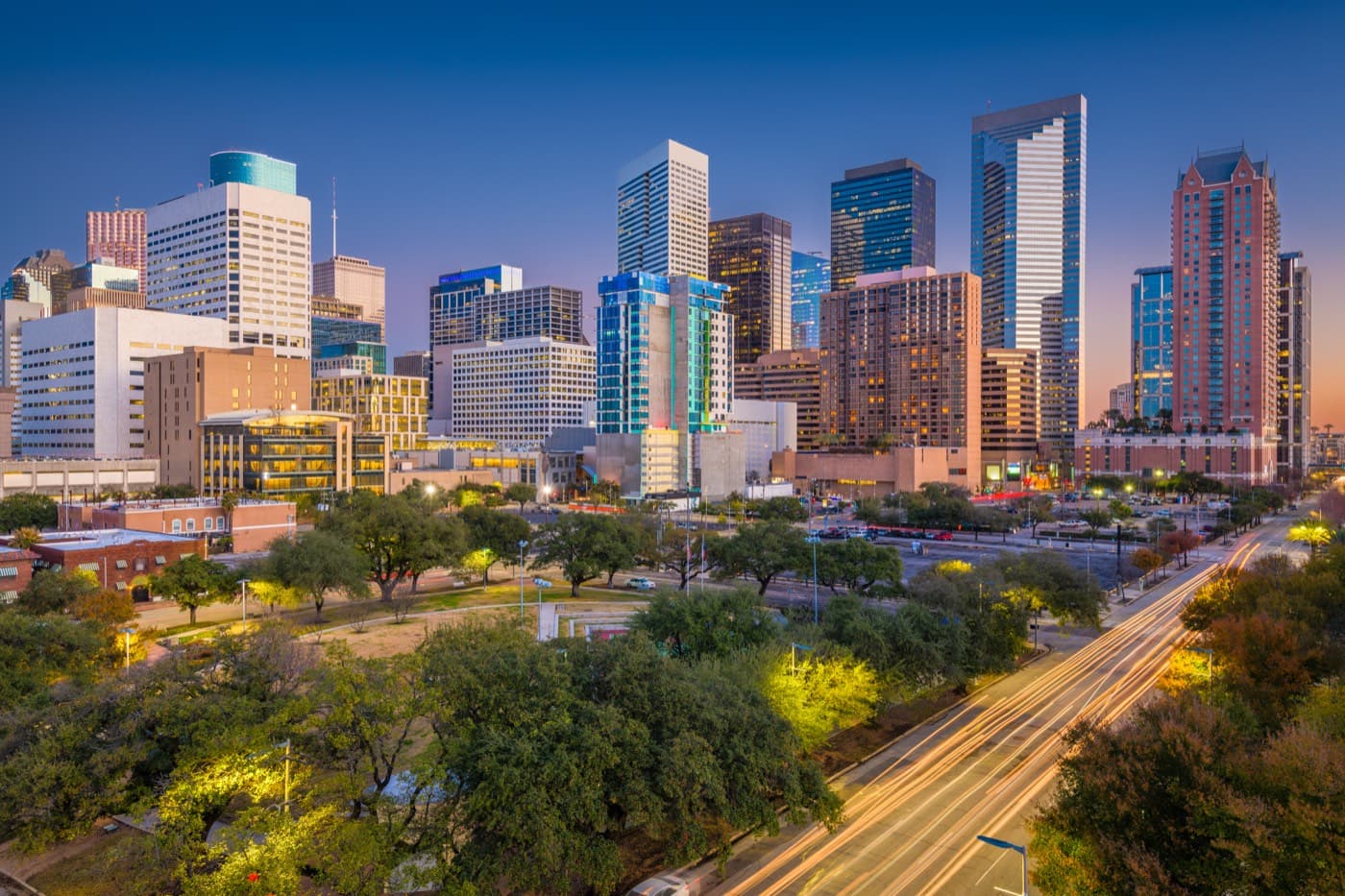
Downtown Houston commercial rooftops

For owners who want to extend the life of an existing modified bitumen roof, a reflective coating is often a cost-effective step. A white coating over a sound SBS surface lowers rooftop temperatures, adds a fresh weathering layer, and can defer a full reroof. We evaluate whether a coating restoration makes sense for your roof or whether the membrane has reached the point where replacement is the better investment.

How We Install SBS Modified Bitumen

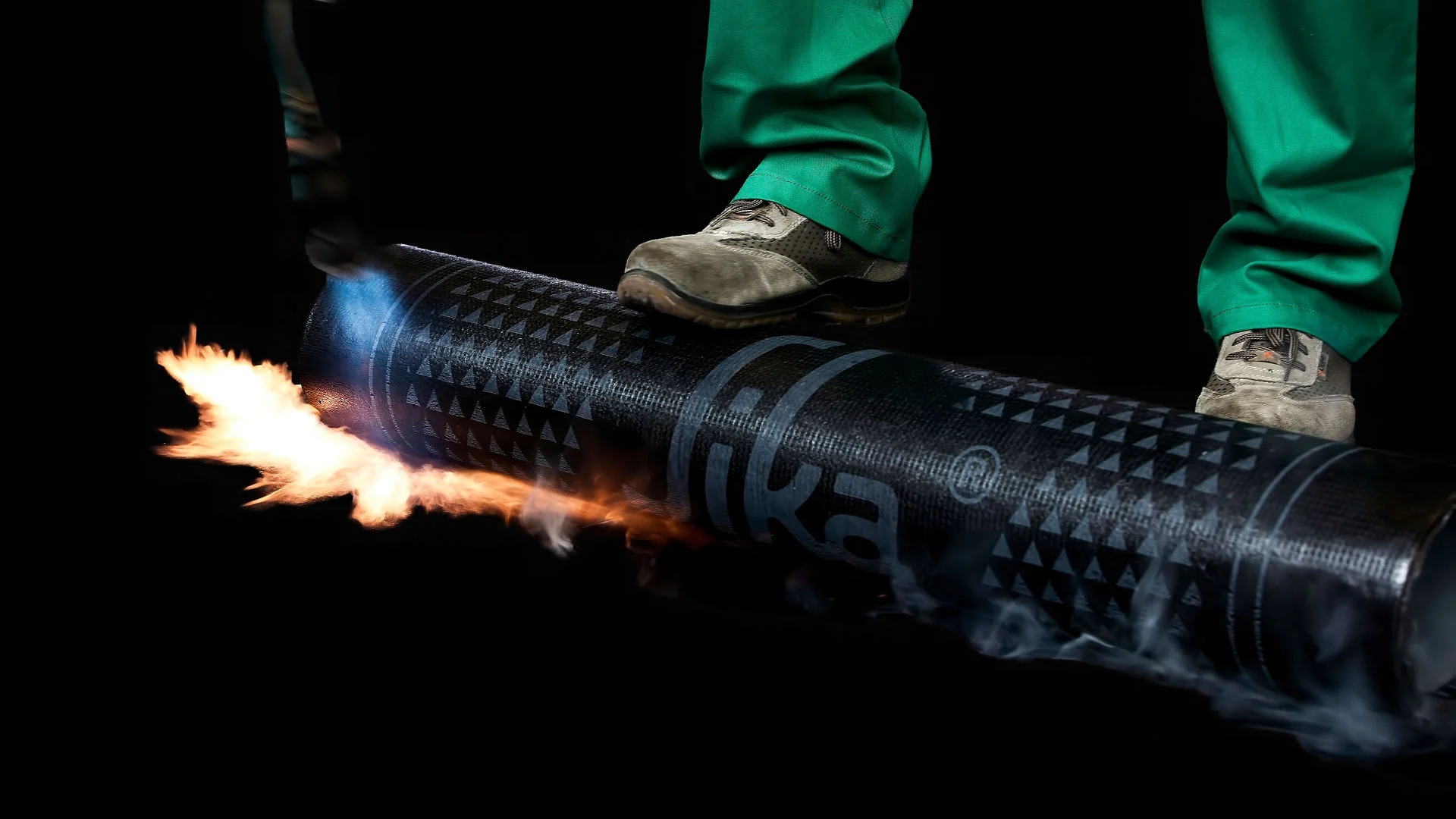
Modified bitumen plies can be installed several ways, and we choose the method that fits the building, the occupancy, and the conditions on site. Heat-welded application uses a torch to melt the SBS backing and bond each ply, creating strong, fully fused laps. Cold-applied adhesive systems bond the plies without open flame, which is the right call on occupied buildings and over sensitive substrates. Self-adhered sheets offer a clean, flame-free install for the appropriate assemblies. We select the approach with safety and roof performance both in mind.

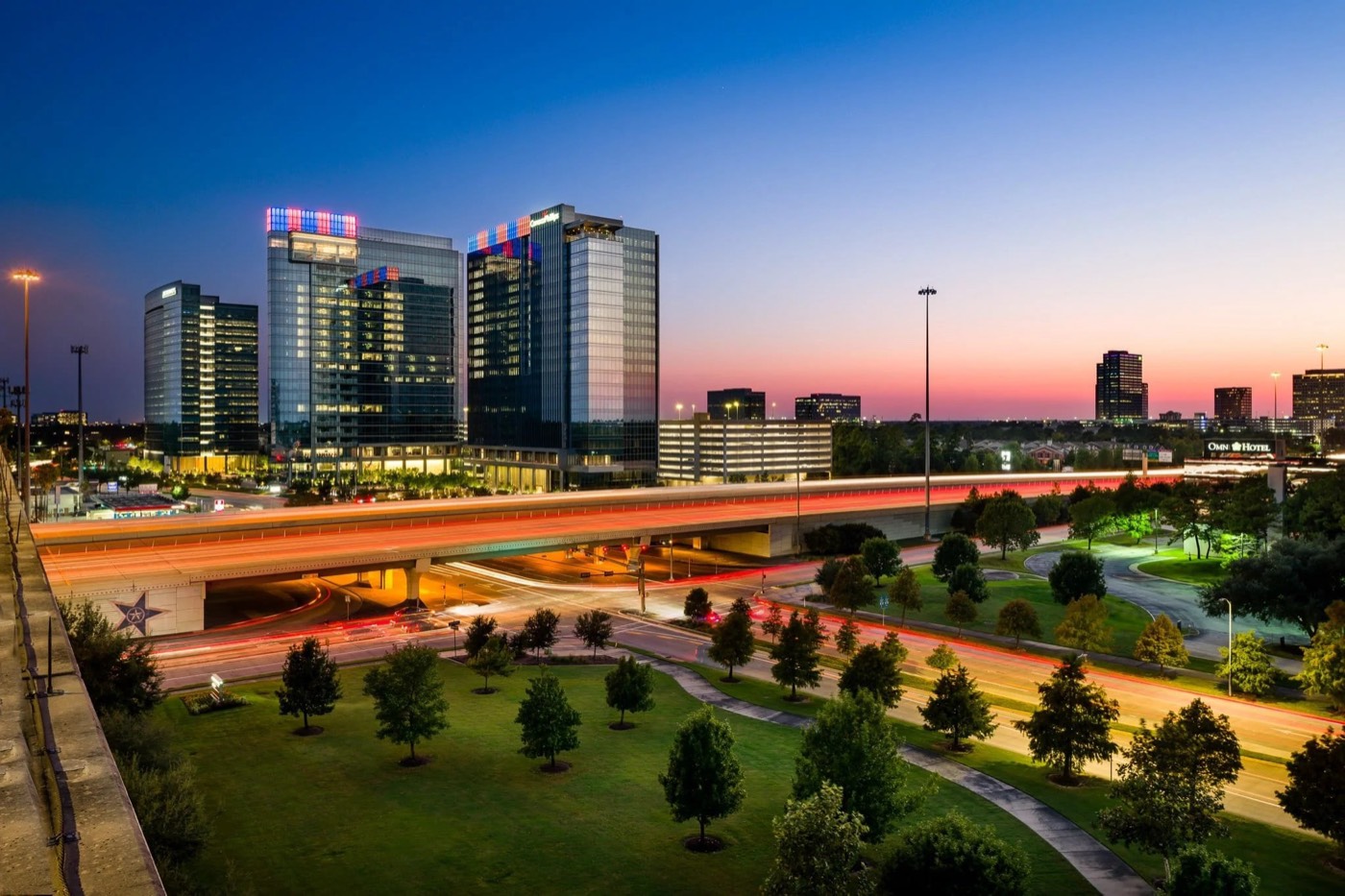
Houston Energy Corridor commercial buildings

As with any reroof on the humid Gulf Coast, we start by evaluating what is underneath. Trapped moisture in old insulation is common here, and roofs that took on water during past storms frequently hide saturated layers that will undermine a new system from below. We confirm the deck and insulation are sound, replace what is wet, and build a base that the new plies can bond to before any membrane goes down.

Heat-welded, cold-applied, or self-adhered installation chosen for the building and occupancy

Wet insulation identified and removed so new plies bond to a dry, sound substrate

Roof planning notes

Roof Scope Notes

Talk with a Houston commercial roofing team

Reinforced flashing plies built up at parapets, curbs, drains, and penetrations

Detailing and Drainage for Houston Rain Flashings are where most flat roofs fail, and modified bitumen is well suited to building robust, multi-ply flashings at the toughest transitions. We reinforce parapet walls, equipment curbs, pipe penetrations, and the perimeter edge with additional plies so these vulnerable areas carry the same redundancy as the field of the roof. On buildings with complicated rooftops full of equipment and penetrations, this layered flashing approach is a real strength of the system.

Is SBS Modified Bitumen Right for Your Building?

Drainage gets equal attention, because Houston rainfall comes in volume. A stalled tropical system or a heavy summer storm can drop several inches quickly, and a flat roof that cannot move that water ponds and eventually leaks. We confirm positive slope to drains, add tapered crickets to break up standing water behind curbs and equipment, and make sure drains and overflow scuppers are sized for the downpours Harris County sees every wet season. Standing water adds weight and seeks out the weakest lap, so eliminating it is part of how we build a modified bitumen roof to last. Talk with a Houston commercial roofing team