
Skip to content

Black EPDM membrane roofing for Houston commercial and industrial buildings. Durable single-ply rubber for warehouses, plants, and low-slope roofs across Harris County.

Schedule a Roof Review

  • Black EPDM Membrane Roofing in Houston
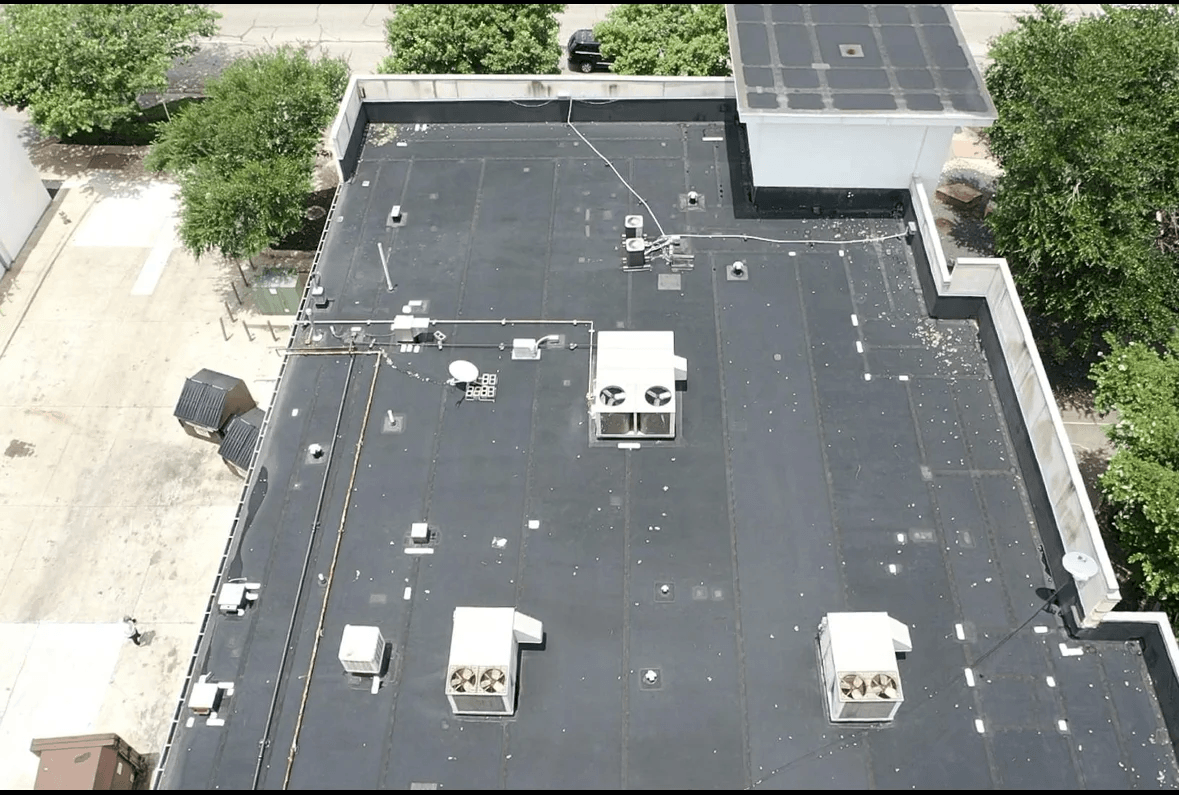
  • Black EPDM is a single-ply synthetic rubber membrane that has covered low-slope commercial roofs for decades, and we install it across the warehouse parks, distribution centers, and older masonry buildings that make up so much of Houston's building stock. The material is ethylene propylene diene monomer, a cured rubber sheet that stays flexible through thermal cycling and resists ozone and weathering. On a flat or low-slope deck where appearance is not a selling point and long, predictable service life is, black EPDM remains one of the most field-proven choices we put down.
  • We work on roofs all over Harris County, from light-industrial buildings off Clay Road to older commercial structures inside the Loop. Many of these have decks that have already carried one or two roofs, and the relatively light weight of an EPDM assembly lets us re-cover without overloading the structure. When a building owner needs a roof that will sit quietly and perform for a long time without a lot of fuss, this is frequently the system we recommend.
  • Why Black EPDM Still Earns Its Place Here
  • The first question we get on a Houston job is usually about heat, since black absorbs solar energy rather than reflecting it, and our summers run long and brutal. That is a fair concern, and on many buildings we steer owners toward a reflective white membrane or a coating instead. But black EPDM is not the wrong answer everywhere. Where it shines is durability, puncture resistance, and the behavior of the rubber itself under constant expansion and contraction.
  • Several conditions make black EPDM a sound pick for a Houston commercial roof:
  • Decks with heavy foot traffic or rooftop equipment. EPDM stands up well to mechanical abuse, and the membrane tolerates the daily wear of HVAC service crews and equipment platforms.
  • Buildings where the roof is not visible and energy code can be met another way. When the roof sits below parapets or behind screening and is not driving the cooling load on its own, the cost advantage of black EPDM becomes attractive.
  • Roofs with a lot of penetrations. The flashing details for pipes, curbs, and drains are well understood and field-repairable, which matters on the cluttered rooftops common to older Houston industrial buildings.

Roof planning guidance

Owners planning to add a reflective coating later. Black EPDM can be coated down the road if cooling performance becomes a priority, giving a phased path that spreads cost over time. How We Install Black EPDM We attach EPDM three main ways, and the right method depends on the deck, the building height, and the wind exposure. Houston sits in a hurricane-prone wind zone, and uplift is never an afterthought on our installations.

Schedule a roof review
Black EPDM Roofing Systems for Houston Commercial Buildings
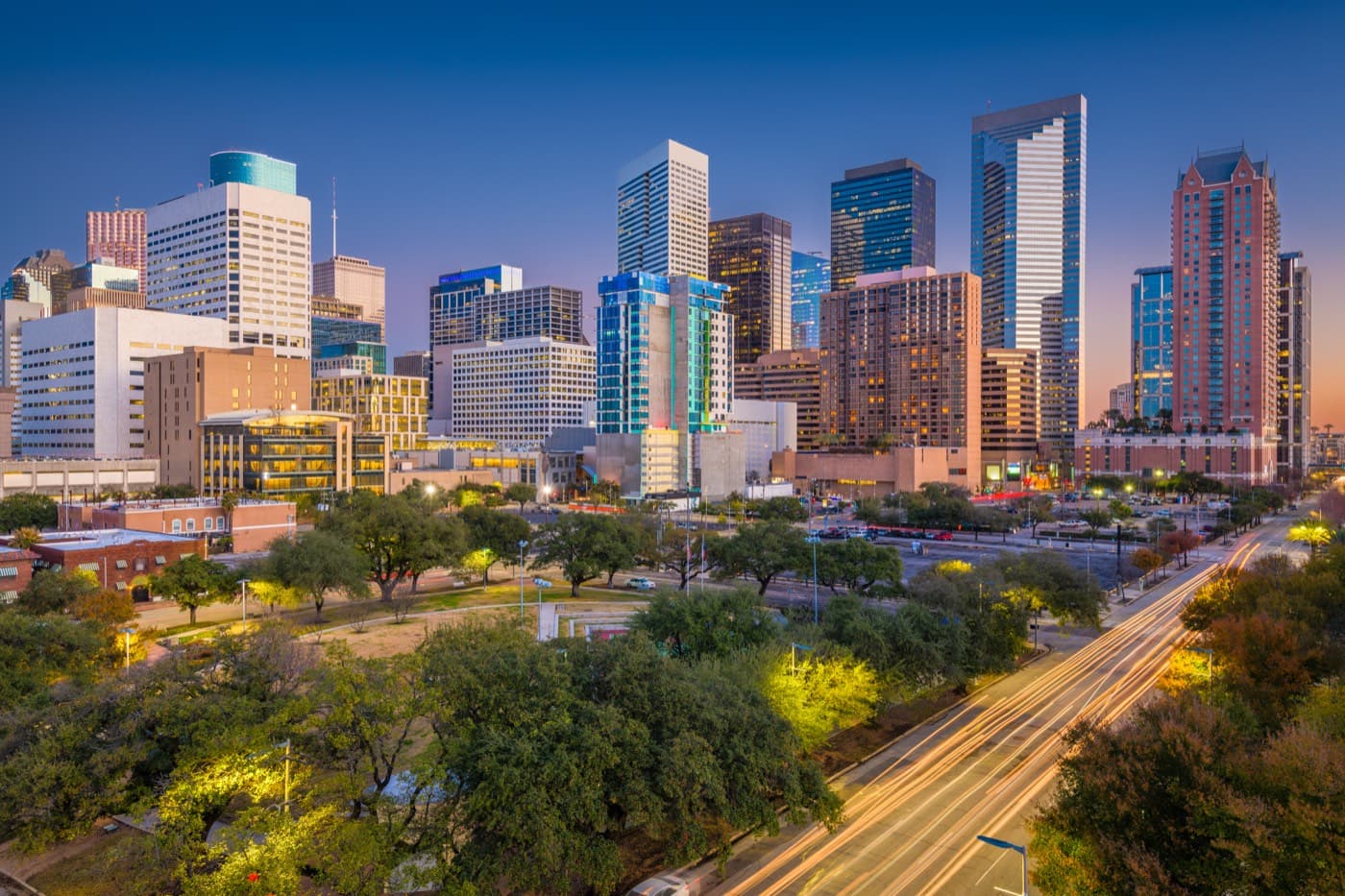
Downtown Houston commercial rooftops

Fully Adhered Systems

For buildings where wind uplift is a real concern, which on the Gulf Coast is most of them, we often specify a fully adhered EPDM membrane bonded to the insulation with adhesive. There are no mechanical fasteners pulling on the field of the sheet, so the membrane resists billowing in high wind. Fully adhered roofs also give a clean, smooth surface that drains well and is easier to inspect after a storm.

Mechanically Attached Systems

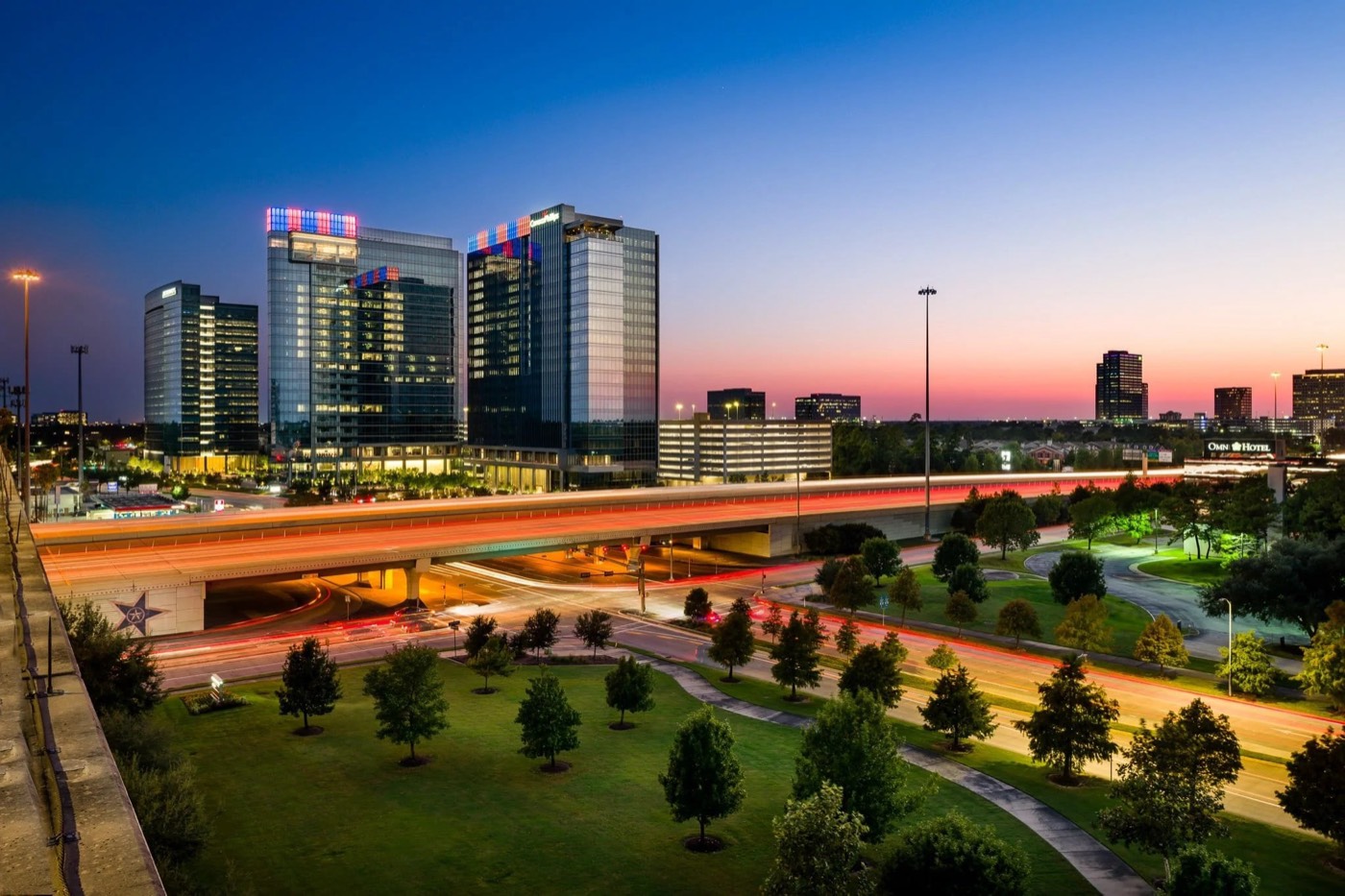
Houston Energy Corridor commercial buildings

On large warehouse and distribution roofs where speed and budget drive the project, mechanically attached EPDM uses fasteners and plates to hold the membrane to the deck. We engineer the fastening pattern for the building's wind zone and tighten the spacing at corners and perimeters, where uplift pressures are highest. This is a common approach on the big-footprint buildings along the Beltway and out toward Katy.

Ballasted Systems

Less common on new work but still found on existing buildings, ballasted EPDM holds the membrane down with rounded stone or pavers. We tend to move away from heavy ballast on hurricane-exposed roofs because loose stone can become airborne in extreme wind, but we do maintain and repair existing ballasted systems across the area.

Roof planning notes

Seams, Flashings, and the Details That Fail First

Talk with a Houston commercial roofing team

Flashing details take the most beating on Houston roofs because we get heavy, wind-driven rain. We pay close attention to:

An EPDM roof rarely fails in the middle of a sheet. It fails at the seams and the flashings, and that is where our crews spend their attention. Modern EPDM uses seam tape and primer rather than the old liquid adhesives, and a properly rolled, fully bonded seam is the backbone of a watertight roof. We inspect every lap and probe seams during service visits. Pipe penetrations and pitch pans, which dry out and crack over time

Curb flashings around rooftop units, where wind and water work the corners

Drain bowls and scuppers, which must move water fast during our intense downpours Talk with a Houston commercial roofing team