
Re-establish positive drainage and correct ponding areas
Rebuild flashings at parapets, curbs, and penetrations, where most older BUR roofs actually start leaking Replace or top off gravel surfacing where it has scoured or washed thin
multi-ply BUR, gravel and reflective surfacing, repairs and recovers for heat, hail, and heavy rain.
A bare or dark-surfaced asphalt roof in Houston absorbs an enormous amount of heat.
Schedule a roof reviewSummer rooftop temperatures soar, the asphalt softens and ages faster, and the cooling load on the building climbs all season. Because heat and UV are the dominant stress on any roof here, the surfacing you choose on a built-up roof is not cosmetic, it is the difference between a roof that bakes and one that reflects.
Gravel or slag surfacing protects the asphalt from UV and gives the roof ballast and a measure of impact resistance against spring hail
A reflective coating over a smooth-surfaced BUR drops the membrane's surface temperature, eases the air-conditioning load, and slows UV aging of the asphalt below
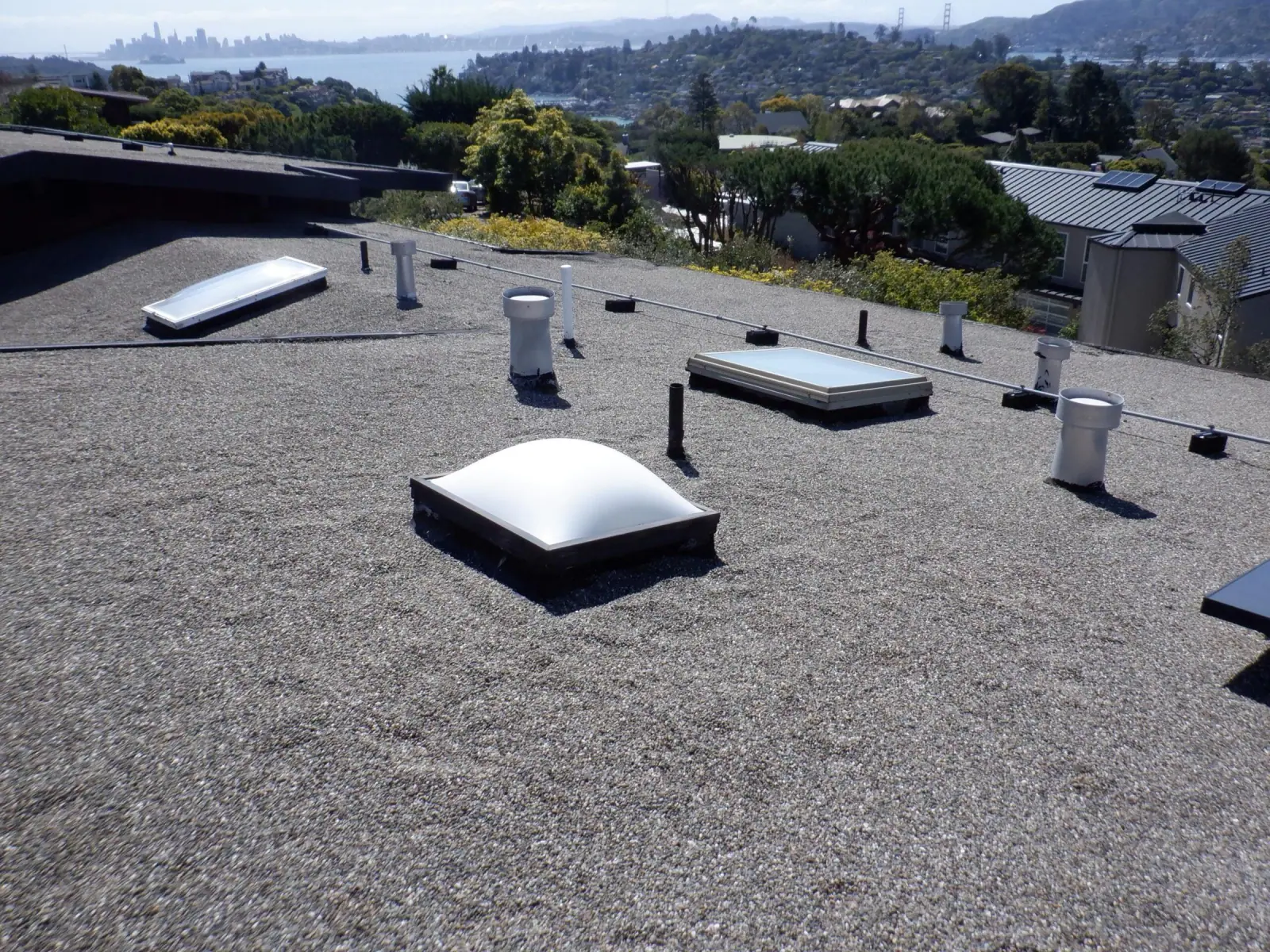
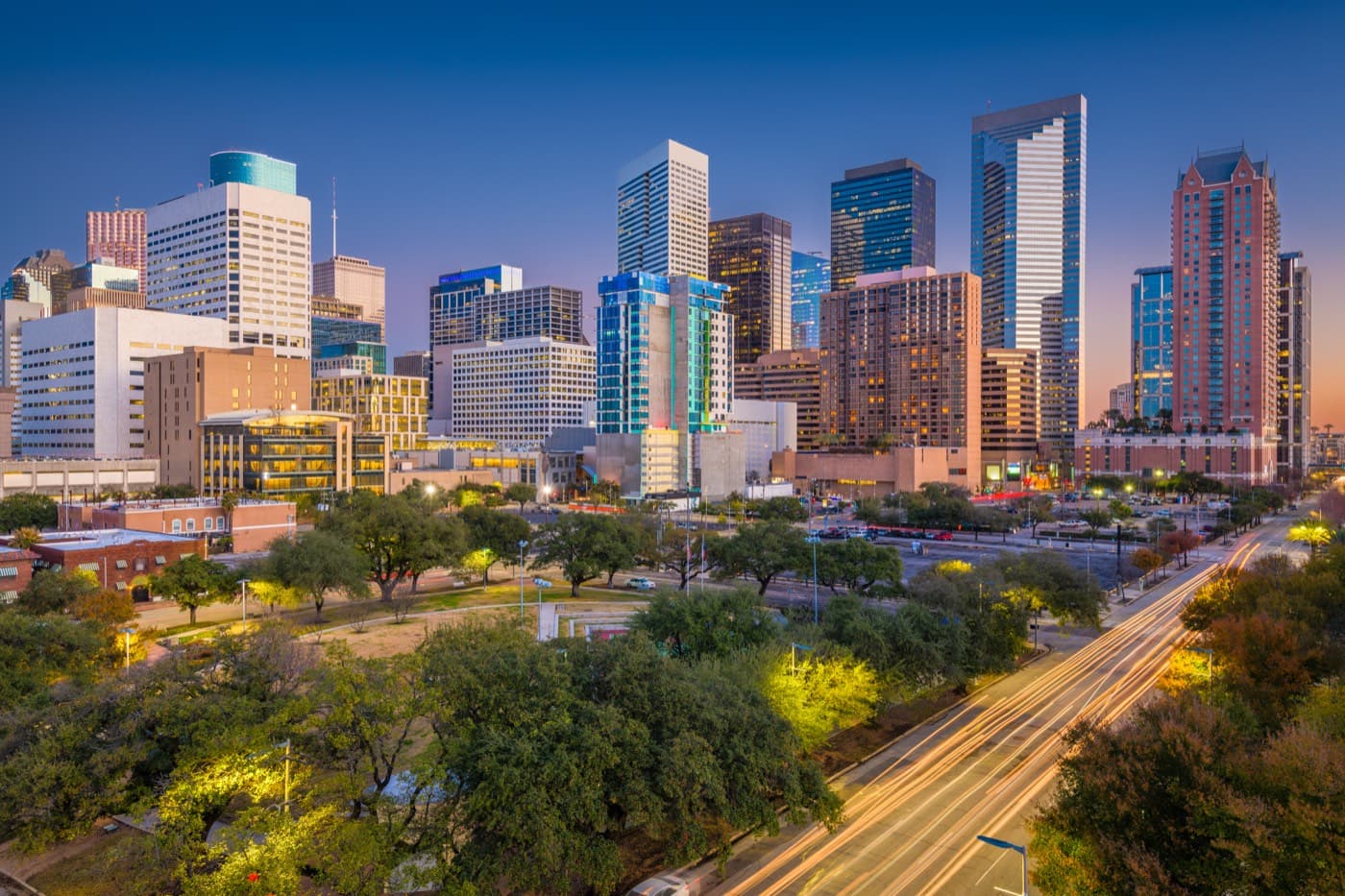
On a warehouse near the Port of Houston or a low-rise in Westchase where the owner is watching summer utility bills, we frequently recommend restoring or recoating an aging built-up roof with a reflective surface rather than living with a dark, heat-soaked membrane. It can extend the roof's life and cut cooling cost at the same time.
The multi-ply construction is well matched to Gulf Coast conditions. Wind uplift during hurricane season has to overcome a heavy, fully bonded membrane rather than a single sheet, and gravel surfacing adds mass that resists scour, though loose gravel itself needs to be managed so it does not become a projectile in a real storm. The redundancy of the plies also gives the roof resilience against the hail that rolls through in spring, since damage to the surface and top ply does not necessarily reach the deck.
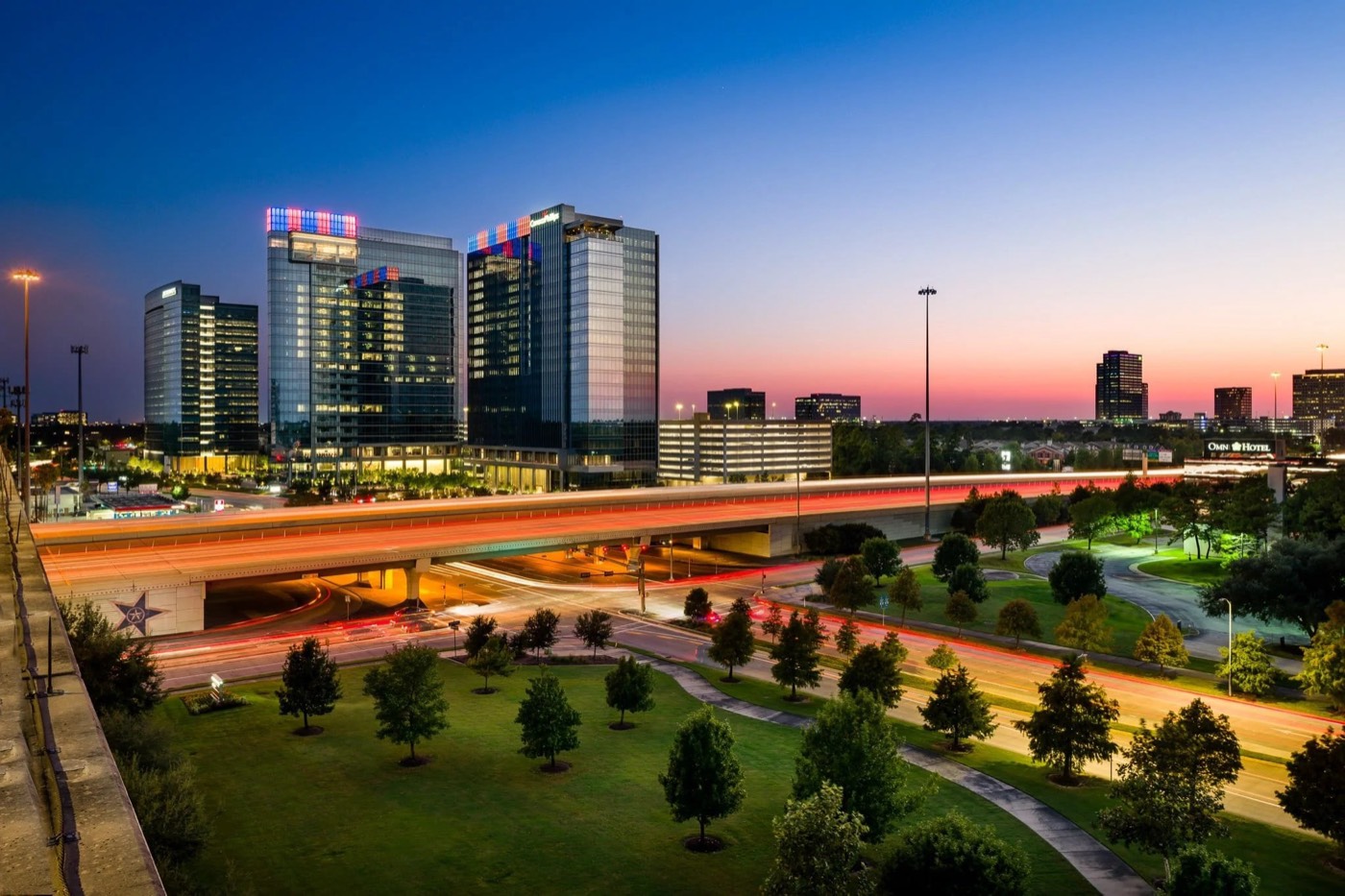
Water volume is the part that demands attention. Houston's sudden, heavy downpours dump a lot of rain on a large flat roof in a short time, and that water has to reach the drains, scuppers, and ultimately the Harris County drainage system before it sits. Ponding is the enemy of any low-slope asphalt roof, standing water accelerates aging and finds the weak laps, so we treat drainage and slope as part of the roof, not an afterthought. After Harvey in 2017, a lot of owners learned how much standing water their roofs could see, and ponding correction has been a steady part of the work ever since.
Most of our built-up work is not tear-off, it is keeping a sound roof in service. A BUR membrane that is aging gracefully is often a strong candidate for restoration rather than replacement, which is good news for an owner spreading a budget across several Houston buildings.
Roof planning notes
Rebuild flashings at parapets, curbs, and penetrations, where most older BUR roofs actually start leaking Replace or top off gravel surfacing where it has scoured or washed thin
We separate urgent leak work from planned capital work with photos, measurements, roof access notes, and enough detail for ownership to make a practical decision.