

Skip to content

Commercial roofing for Houston veterinary clinics and animal hospitals. We re-roof over occupied kennels and surgery suites, controlling noise, exhaust, and leaks.

Schedule a Roof Review

  • A roof over patients that cannot tell you something is wrong
  • A veterinary clinic is a small medical building with a few problems an ordinary office or retail roof never has to think about. There are animals boarding overnight that no one is watching at 2 a.m., a surgery suite that has to stay sterile, sensitive imaging and lab equipment, and a constant background of noise and odor that the building has to manage. The roof sits on top of all of it, and when it leaks or when the work to fix it is handled carelessly, the consequences land on stressed animals and on a practice that cannot simply close for a week. We roof veterinary clinics, animal hospitals, emergency and specialty vet centers, boarding and grooming facilities, and mixed-use pet care buildings throughout the Houston area, from neighborhood practices in the Heights and Bellaire to the larger referral hospitals along the major corridors.
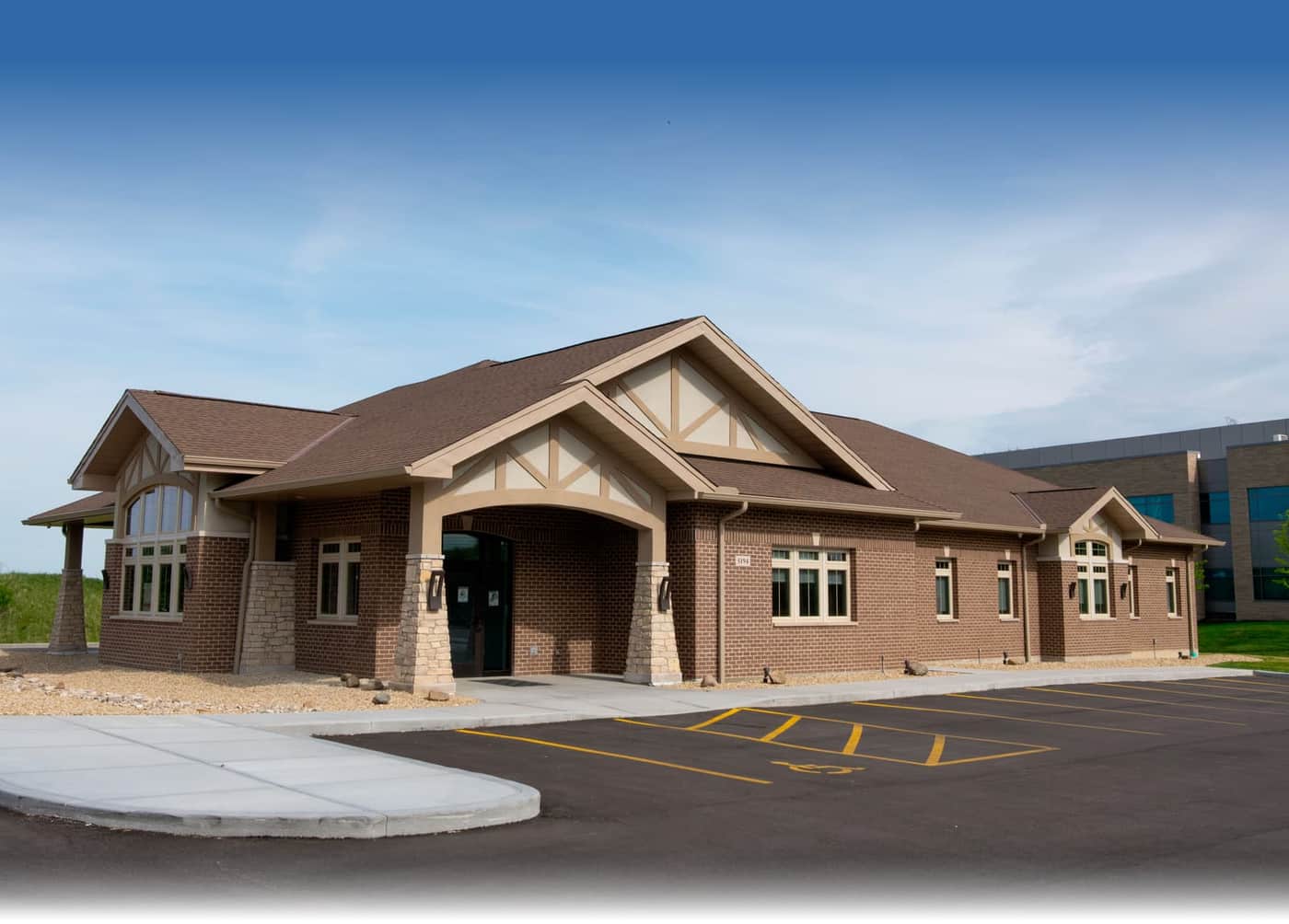
  • Most of these buildings are single-story low-slope or modestly sloped structures, sometimes a converted retail or office shell, sometimes purpose-built. That means a flat or near-flat roof carrying rooftop HVAC and a fair amount of exhaust equipment, sitting in full Houston sun and taking the full force of our rainfall. The membrane and its detailing are what stand between a downpour and a kennel ward.
  • Why the work has to respect a live, occupied clinic
  • You can reschedule a roof over an empty warehouse. You cannot reschedule the animals already boarding in a vet hospital, the surgeries booked for the morning, or the emergency cases that walk in unannounced. The building stays occupied while we work, and the occupants are patients who are already anxious. That shapes everything about how we approach a re-roof here.
  • Noise is a genuine clinical issue, not just a courtesy. Pounding and loud equipment over a kennel or a recovery room agitates animals that are sick, post-surgical, or already frightened, so we plan loud activity around the practice's schedule and around where animals are housed.
  • The surgery suite cannot be exposed to dust or debris infiltration, so we control the work above sterile and clean areas tightly and never leave the deck open over them.
  • Odor and fume control runs both ways: the clinic's own exhaust has to keep working, and we keep any roofing odors away from intakes and from animals with sensitive respiratory systems.
  • A leak over a lab, an imaging room, or a pharmacy threatens equipment and medication that a small practice cannot easily replace, so watertightness during the work is non-negotiable.

Roof planning guidance

We coordinate the sequence directly with the practice manager and clinical staff so the loudest, most disruptive phases happen when they do the least harm, and so the parts of the building that have to stay quiet and clean are protected the whole time. The exhaust and ventilation problem on a vet roof Animal care buildings move a lot of air. Kennels, surgical suites, and treatment rooms run robust exhaust and ventilation to manage odor, dander, anesthetic gases, and air quality, and all of that equipment lands on the roof as fans, ducts, and penetrations. Every one of those is a place water can get in and a place where the clinic's air handling has to keep functioning without interruption while we re-roof around it. We flash each exhaust fan, duct curb, and vent to the membrane manufacturer's detail, keep the practice's ventilation running through the work, and make sure roofing operations never pull fumes back into the building or foul the air the animals breathe. On buildings where grease or biological exhaust has degraded the membrane around a fan, we cut out and rebuild that area rather than coat over a compromised surface.

Schedule a roof review
Veterinary Clinic & Animal Hospital Roofing | Houston, TX
Downtown Houston commercial rooftops

Roof systems we put on Houston veterinary buildings

For the flat and low-slope roofs these clinics use, we generally specify reflective white single-ply membrane, TPO or PVC, because Houston's heat and UV are relentless and a reflective surface lowers the cooling load on a building running constant ventilation and climate control for animal comfort. A cooler roof means the HVAC and exhaust systems fight less heat through our long summers, which matters on a small practice's utility bill.

TPO and PVC single-ply as the standard reflective system for these low-slope decks, welded at the seams for a continuous watertight surface and detailed for the many penetrations a vet building carries.

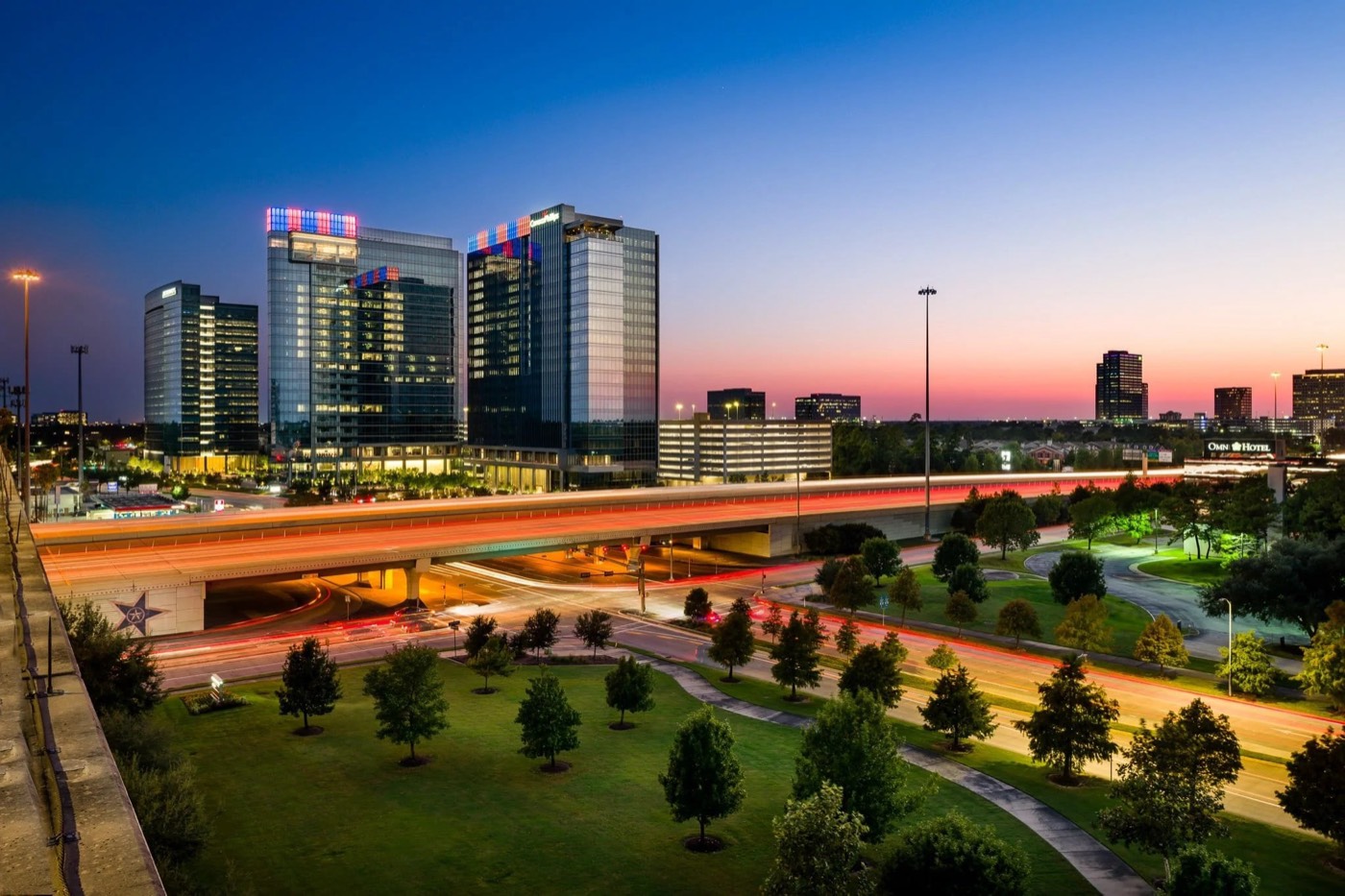
Houston Energy Corridor commercial buildings

Silicone restoration coatings over a sound but aging existing roof, which add reflectivity and seal seams while avoiding a full tear-off over an occupied clinic, a real advantage when the building cannot tolerate open deck.

Modified bitumen where a sloped or transitional roof condition calls for it, detailed for our rain and tied cleanly into adjacent low-slope areas.

Pitched-roof systems on the storefront or residential-style elevations some neighborhood clinics have, kept watertight and tied into the flat roof behind them.

Roof planning notes

Drainage built for Houston rain

Talk with a Houston commercial roofing team

Storm exposure and fast response

A flat roof over a single-story clinic has to shed our downpours fast, and the consequences of standing water sit directly over occupied rooms. We design drainage to move water deliberately to drains and overflow scuppers and correct ponding with tapered insulation, because a pooled roof ages faster, adds dead load, and turns the next big rain into an interior event over a kennel or a treatment room. Harris County's flat terrain and the drainage demands the region's storms create mean the roof itself has to carry the water off; it will not run off on its own. We keep drains and scuppers clear so a clogged outlet does not back water up over the building during a Gulf Coast deluge. Hurricane-season wind, the large hail Harris County sees, and the heavy rain that produced the Harvey flooding all threaten a clinic roof, and a breach over a building full of animals is an emergency, not an inconvenience. We reinforce edge metal, flashings, and equipment attachment ahead of hurricane season so the roof holds in high wind. After a storm we respond quickly with documented inspections, photographing and mapping damage, providing a clear repair-or-replace recommendation, and supporting insurance claims with the evidence carriers expect. When a clinic has water coming in over patients, we treat the temporary dry-in as urgent and stop the intrusion before it reaches kennels, surgery, or sensitive equipment.

Maintenance that keeps a small medical building dry

A veterinary practice rarely has facilities staff, so the roof tends to go unwatched until something drips. We close that gap with scheduled inspections, ideally twice a year, before hurricane season and after the summer heat, checking seams, flashings, the many exhaust and vent penetrations, and the drainage path. Catching a lifted seam or a failing pipe boot early is a minor repair; finding it after it has soaked the ceiling over a recovery ward is a far larger problem for a practice that cannot close. We keep the roof over your clinic reflective, watertight, and quiet to maintain, so the building can stay focused on its patients through every Houston summer and storm season. Talk with a Houston commercial roofing team