
Reflective white TPO single-ply for the long open roof field
PVC membrane around restaurant grease exhaust and chemical exposure Silicone and acrylic restoration coatings over sound existing roofs
Reroofs over open shops, leak repair tracked to the right tenant, and storm response.
Failed seams and flashings stretched across the long...
Schedule a roof reviewHail bruising and wind uplift at the parapet edges and corners
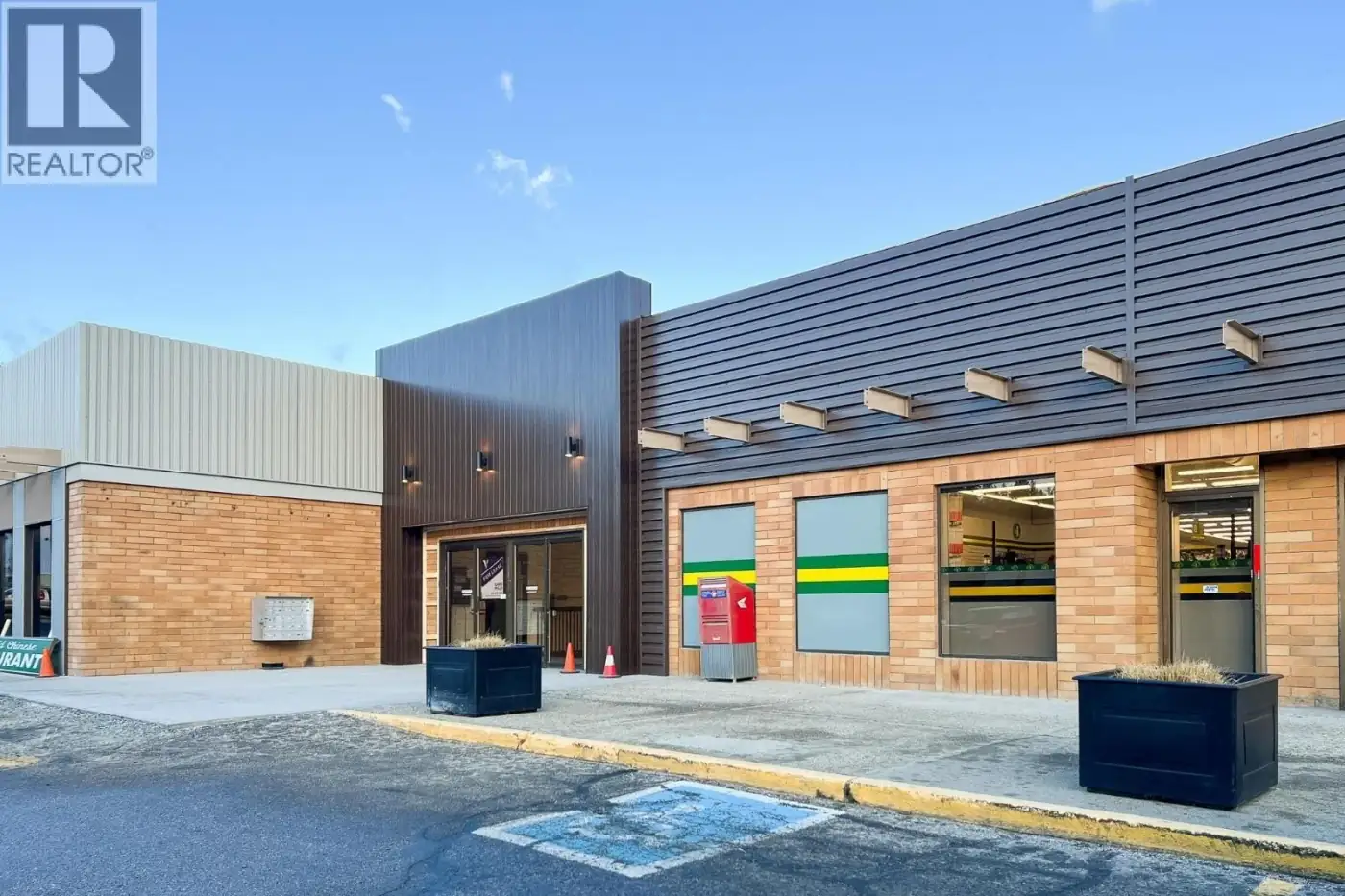

The long flat field of a strip center gives Houston's weather plenty to work with. Hurricane-force wind grabs the parapet edges and corners where uplift forces concentrate, and on an aging membrane a single storm can peel back a section over multiple tenants at once. Large hail bruises the whole field in one event, and those bruises turn into leaks over the months that follow, scattered unpredictably across the businesses below.
Then there is the water. When heavy rain stalls over Harris County the way it did during Harvey in 2017, the long flat roof has to move all of that water to its drains and scuppers fast, and any low spot that ponds becomes a standing leak risk over whatever tenant is unlucky enough to be below it. Many older centers were built with marginal drainage that has only gotten worse as the membrane sagged. We correct drainage as part of the work so the downpours leave the roof instead of pooling on it. On top of the storms, the relentless heat and UV dry the membrane out and open seams across the long field through the long Houston summer.
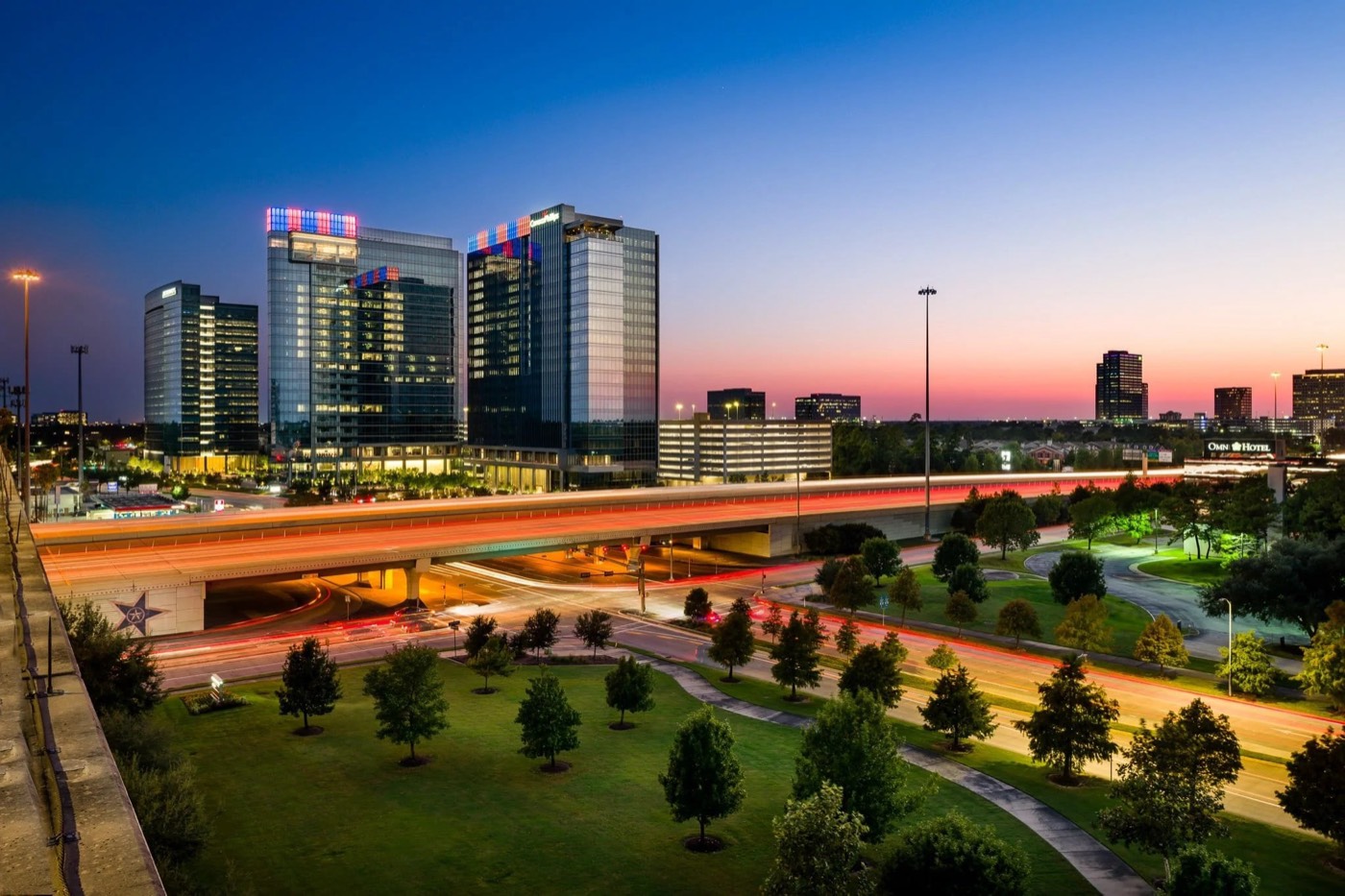
For the long flat decks that define strip centers, reflective white TPO single-ply is the workhorse. It welds into one continuous watertight surface across the whole building and reflects solar heat off the roof through the hot season, which takes load off the dozen-plus rooftop units serving the shops below and shows up on the common-area energy bill. Where a center has restaurant grease exposure, PVC membrane stands up to it far better and is the right call around food tenants.
When an existing strip center roof is structurally sound but aging, a restoration coating is often smarter than a tear-off. Silicone and acrylic coatings seal the existing membrane, bridge tired seams, and lay a bright reflective surface across the whole field without filling the parking lot with debris or disrupting the shops below. For centers that genuinely need replacement, we can re-cover or fully replace the membrane in phases so no storefront is ever under an open deck.
Roof planning notes
PVC membrane around restaurant grease exhaust and chemical exposure Silicone and acrylic restoration coatings over sound existing roofs
We separate urgent leak work from planned capital work with photos, measurements, roof access notes, and enough detail for ownership to make a practical decision.