

Skip to content

Commercial roofing for Houston colleges and universities — libraries, labs, dorms, and rec centers. Phased reroofing scheduled around the academic calendar.

Schedule a Roof Review

  • Roofing for Houston Colleges, Universities, and Research Campuses
  • A higher-education campus is rarely one roof. It is a library with a flat membrane over a special-collections archive, a 1970s science building with a built-up roof that has been patched a dozen times, a residence hall with rooftop HVAC running year-round, and a new recreation center with a structural metal deck. We roof all of it, and we plan the work around the one constraint that governs every campus in the Houston area: the academic calendar. Crews mobilize during winter break, spring break, and the summer term so that tear-off noise, crane lifts, and adhesive odors land when classrooms and labs are emptiest.
  • Greater Houston carries a dense concentration of higher education — large public universities, private institutions inside the 610 Loop, community college districts spread across Harris County, and the medical and research schools tied to the Texas Medical Center. The building stock spans decades, which means we are usually managing several different roof systems on a single contract, each at a different point in its life.
  • Building Types We Reroof on Campus
  • Libraries and Archives
  • Nothing on a campus is more sensitive to a leak than a library or an archive. Water that reaches stacks, microfilm, or a special-collections room is a loss that cannot be reordered. We treat these roofs as the highest-priority assignments on any campus contract: redundant flashing details at every penetration, infrared moisture scans before we touch the field, and temporary protection staged the moment a deck is exposed. On Houston roofs that means planning around afternoon thunderstorms that can build in under an hour during the wet months.
  • Science Buildings and Research Labs
  • Lab and research buildings put more on the roof than almost anything else — fume hood exhaust stacks, condenser units, fan arrays, and rooftop equipment that cannot go offline without disrupting ongoing experiments. We sequence these reroofs so that exhaust and ventilation stay live, working in sections and coordinating shutdowns with facilities staff well in advance. Penetration density on these roofs is high, and each curb and stack is a potential leak path that gets detailed individually.
  • Residence Halls and Student Housing

Roof planning guidance

Dorms are occupied buildings even in summer, with conference housing, athletes, and summer-session students often in residence. We schedule the loudest phases — tear-off and fastening — for daytime hours, keep egress routes clear, and stage materials away from entrances. Many residence halls in the Houston area carry rooftop package units serving the floors below, so we protect and work around live mechanical equipment throughout. Athletic and Recreation Facilities Field houses, natatoriums, arenas, and rec centers tend to be large single-roof spans, sometimes structural metal, sometimes membrane over a long-span deck. The challenge here is scale and the corrosive interior environment of a pool building, where chlorine vapor attacks fasteners and deck from below. We specify systems and details suited to that environment rather than treating a natatorium like an ordinary gym.

Schedule a roof review
Higher Education & University Roofing Contractor | Houston, TX
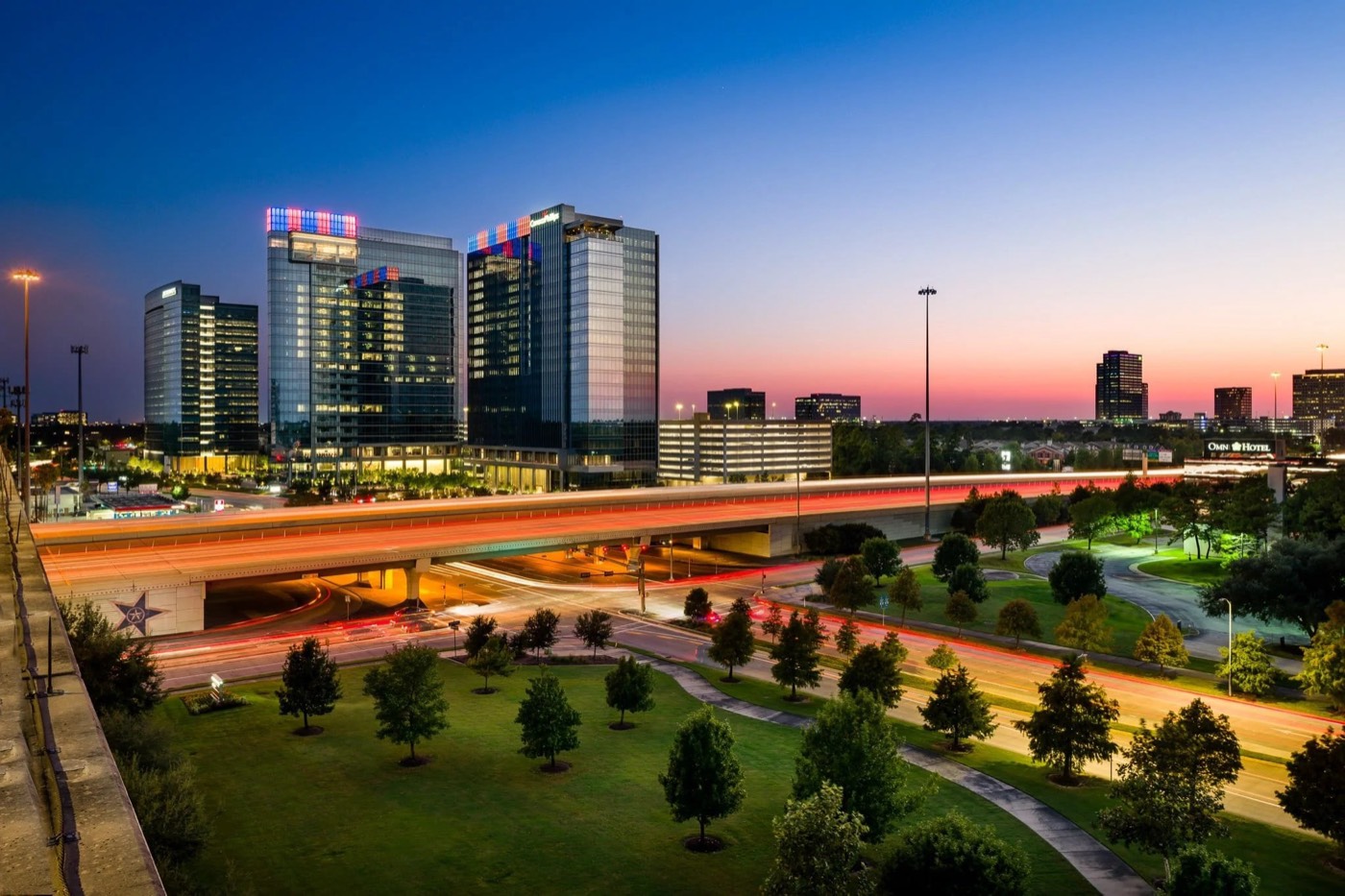
Downtown Houston commercial rooftops

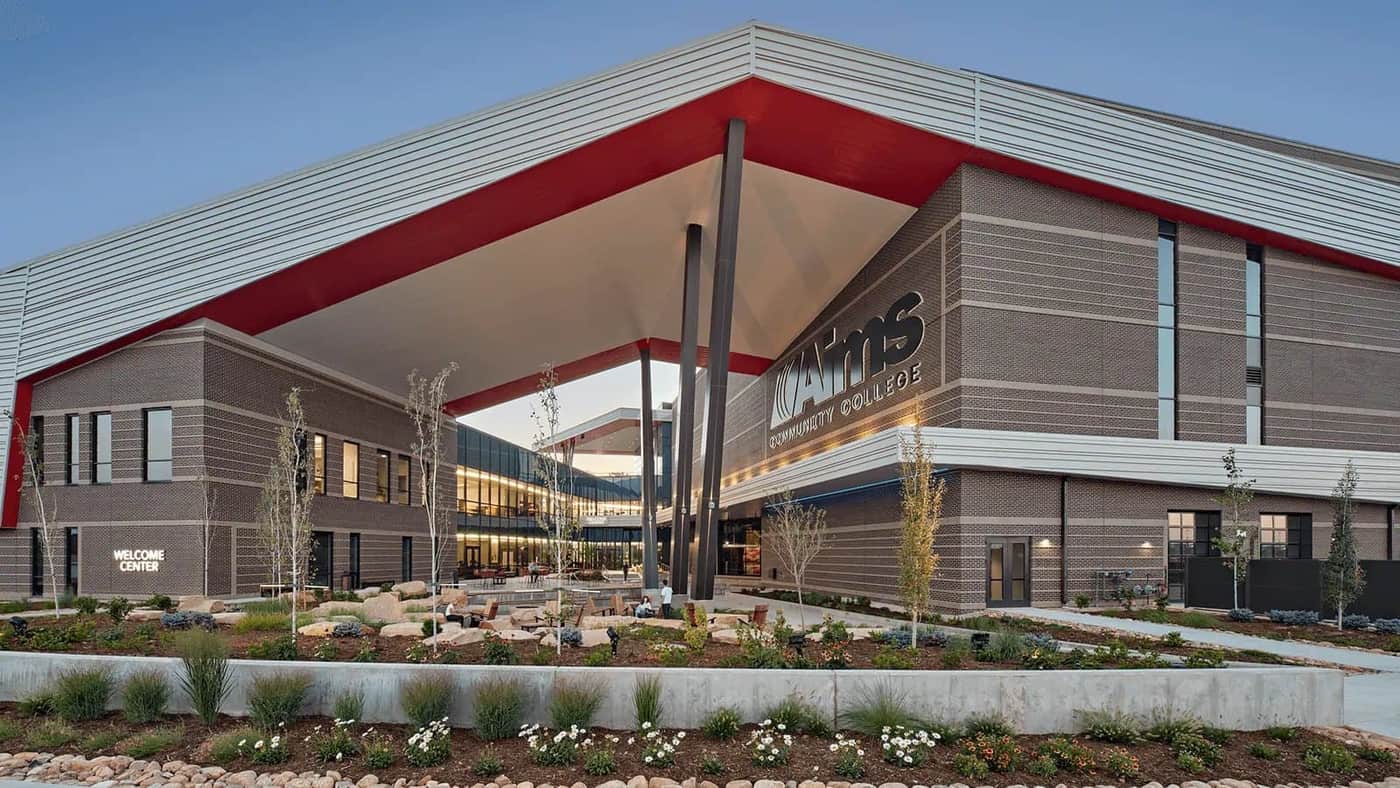
Administration, Classroom, and Student Union Buildings

The everyday academic buildings are where phasing earns its keep. We break large roofs into zones tied to which wings are in use, so a building can stay open while one section is reroofed at a time.

Roof Systems We Install on Higher-Education Buildings

Houston Energy Corridor commercial buildings

Most campus buildings in the Houston area are flat or low-slope, and the heat and UV here push us toward reflective systems on the majority of them:

TPO and PVC single-ply — white reflective membranes that cut rooftop heat gain and lower cooling load on buildings that run air conditioning most of the year. PVC is our default over kitchens and labs where grease or chemical exhaust contacts the roof.

Modified bitumen — a durable two-ply choice for roofs with heavy foot traffic from facilities staff servicing rooftop equipment.

Roof planning notes

Roof Scope Notes

Talk with a Houston commercial roofing team

Working Within the Academic Calendar

Standing-seam and architectural metal — for sloped roofs, entry canopies, and signature buildings where appearance matters. The summer window in Houston is hot and wet, and both facts shape the schedule. Heat means early starts and careful handling of adhesives and membranes that behave differently at 100 degrees. Rain means we never leave a deck open overnight without a watertight tie-off, because a stalled front can sit over Harris County for days. We build the project schedule backward from the first day of classes, with milestones for each building, and we keep dried-in tie-off points at the end of every shift so an unexpected storm never finds an open roof.

Phased Reroofing Across a Campus

Few institutions can fund every roof in one year. We help facilities and capital-planning staff sequence a multi-building program — ranking roofs by remaining service life, leak history, and the value of what sits underneath — so the worst roofs go first and the budget stretches across several cycles. Infrared moisture surveys and core cuts give us the condition data to defend that ranking, so capital dollars go where the wet insulation actually is rather than where the oldest roof happens to be. Talk with a Houston commercial roofing team