

Skip to content

Commercial roofing for Houston fire stations and EMS facilities. Phased reroofing that keeps apparatus bays operational through Gulf Coast storm season.

Schedule a Roof Review

  • Roofing for Houston Fire Stations and EMS Facilities
  • A fire station cannot close for a reroof. The bay doors have to stay clear, the trucks have to roll, and the crews quartered upstairs have to keep sleeping between calls. We approach every Houston fire station roof with that constraint front and center, sequencing the work so that apparatus bays, dorm wings, and dispatch areas stay dry and usable while the membrane comes off and goes back on overhead.
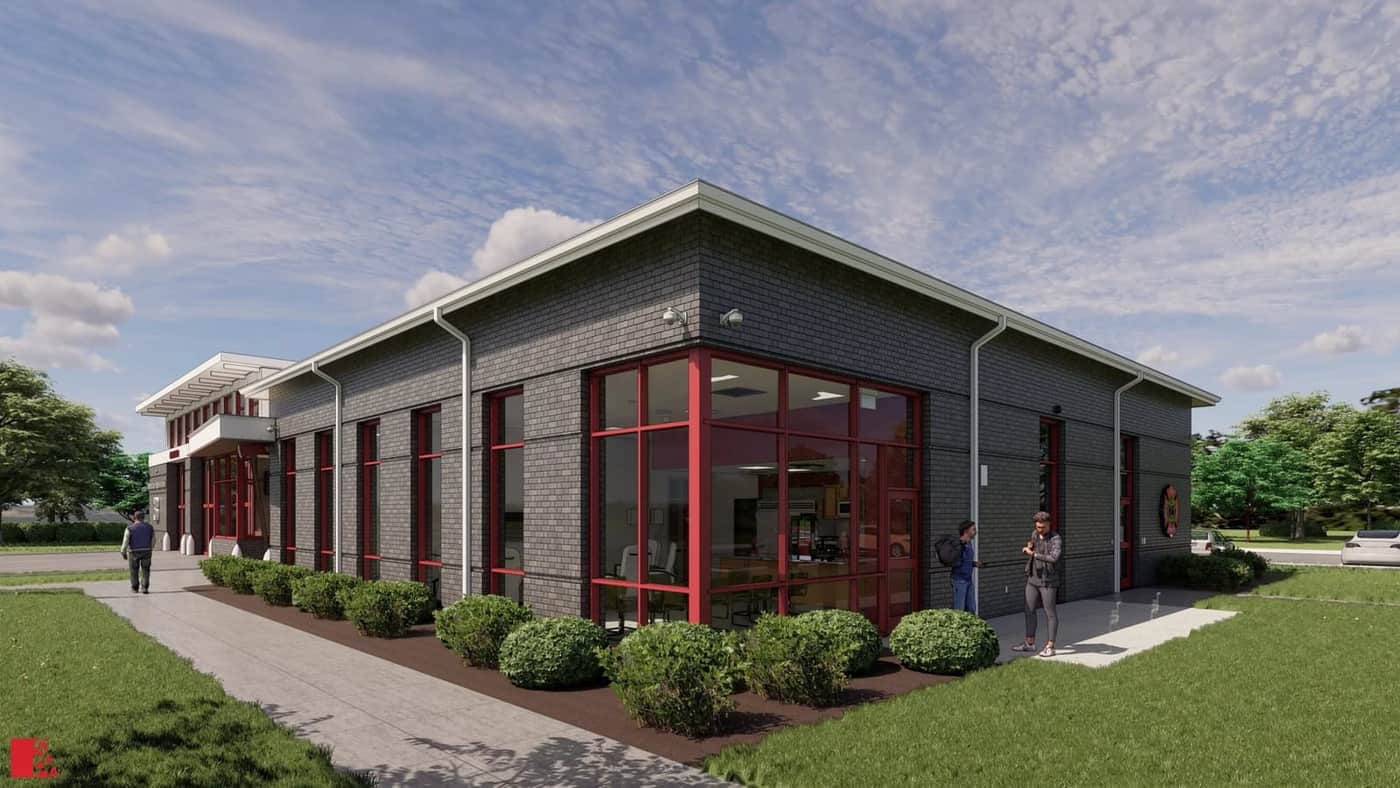
  • Stations across Harris County range from compact two-bay neighborhood houses to large multi-company facilities with training towers and maintenance shops attached. Many were built with low-slope roofs over the bays and the living quarters, and a fair number still carry aging built-up or modified bitumen assemblies that have been patched through one storm season after another. We work on all of it, and we plan each project around the reality that the building has to keep answering calls the entire time.
  • What Houston Weather Does to a Station Roof
  • The Gulf Coast hands fire station roofs a punishing mix. Summer surface temperatures on a dark low-slope membrane climb high enough to cook the asphalt out of older built-up systems, leaving them brittle and prone to splitting at the laps. Then hurricane season arrives, and the same roof has to take wind uplift, wind-driven rain, and the occasional hail event that comes with a fast-moving line of storms. Harvey in 2017 showed everyone what sustained rainfall does to any roof with marginal drainage or a tired flashing detail.
  • The buildings themselves make it harder. Apparatus bays are tall, open volumes, so a bay roof tends to be a wide expanse of membrane with few penetrations but a lot of perimeter exposed to uplift. The living quarters, by contrast, are dense with rooftop equipment: HVAC for around-the-clock occupancy, exhaust fans over the kitchen, and conduit feeding antennas and station alerting gear. Each of those is a leak path if the flashing is not detailed correctly, and a leak over a dorm or a server closet is not a cosmetic problem.
  • Systems We Install on Fire Stations
  • For the broad bay roofs, we usually recommend a reflective single-ply membrane. A mechanically attached or fully adhered TPO or PVC system gives a fire station a white, heat-rejecting surface that lowers the load on the building during a Houston summer and stands up to the wind exposure these tall structures see. PVC has the added advantage of resisting grease and exhaust residue, which matters when a kitchen exhaust or a diesel exhaust capture system vents nearby.
  • Where a station has an existing structural deck in sound condition and the budget favors restoration over tear-off, a spray polyurethane foam roof or a silicone coating system can extend service life with minimal disruption to operations. Foam fills the irregularities around the equipment-heavy quarters roof and seals the transitions where bay and living-quarter roof planes meet at different heights. A high-solids silicone coating over a cleaned and reinforced membrane buys years of reflective, watertight service without a full removal.

Roof planning guidance

Reflective TPO and PVC single-ply for apparatus bay roofs with high wind exposure Spray polyurethane foam over equipment-dense living-quarter roofs Silicone and acrylic coating restorations to extend a sound existing roof

Schedule a roof review
Fire Station Roofing in Houston, TX | Commercial Roofing for Public Safety Facilities
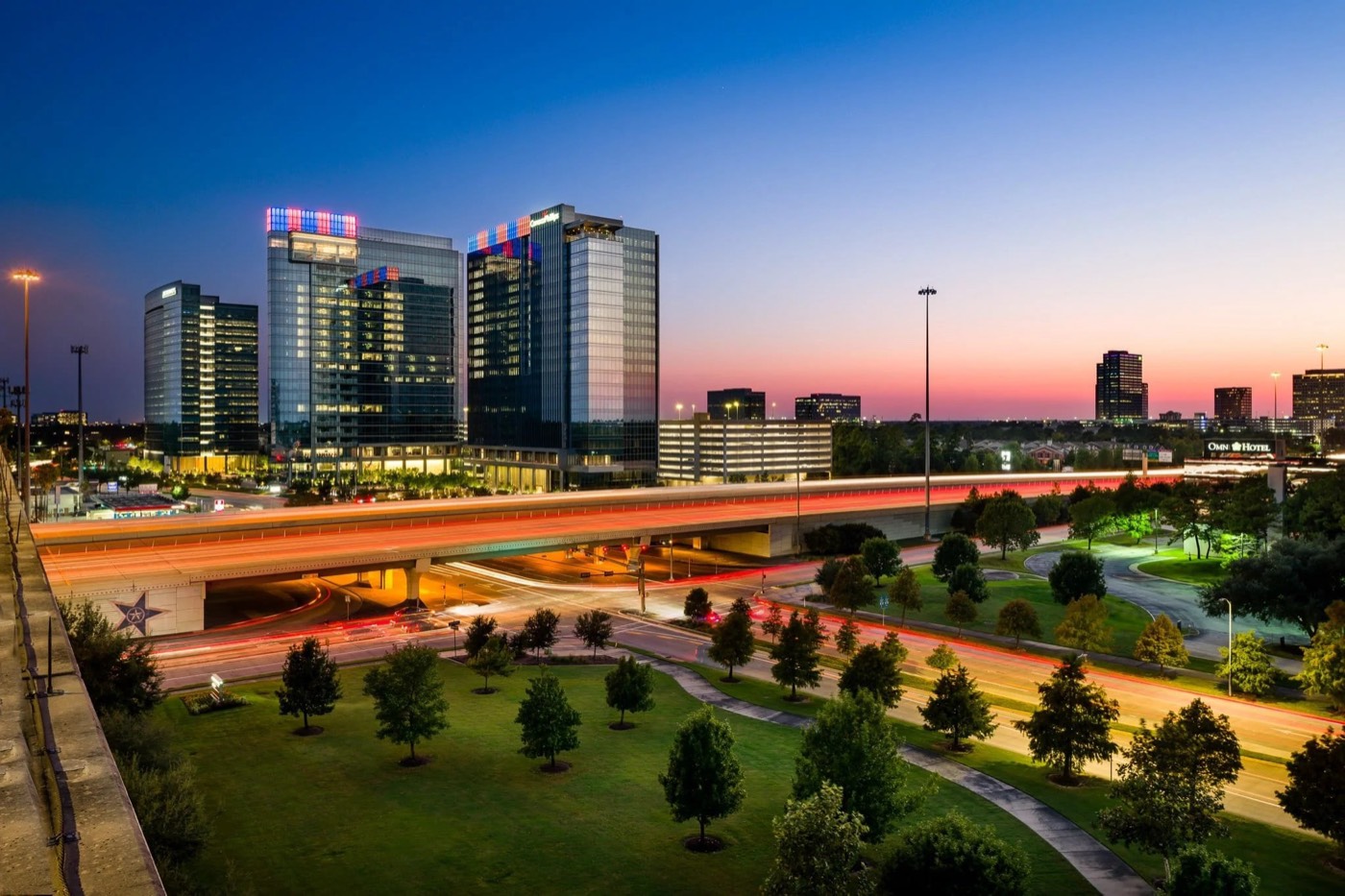
Downtown Houston commercial rooftops

Modified bitumen where a redundant, multi-ply membrane is preferred for a critical facility

Keeping the Station in Service During Construction

The planning matters as much as the membrane. Before we mobilize, we walk the roof with station officers and the facilities staff to map out how crews move, where the trucks stage, and which roof areas sit over occupied space at night. From there we build a phased schedule that isolates one roof section at a time, keeps a watertight tie-in at the end of every shift, and never blocks a bay door that needs to open for a call.

Houston Energy Corridor commercial buildings

Material staging on a fire station is its own puzzle. We stage off the apron and keep the path to the bay doors clear, because a delivery truck parked in front of an open bay is a safety problem the moment the tones drop. Crane and loading windows get coordinated around shift changes and training schedules so the work happens when it interferes least with operations.

Wind Uplift and Code on Critical Facilities

Fire stations are essential facilities, and the roof assembly has to be designed and fastened to hold through the wind loads the Gulf Coast produces. We pay particular attention to perimeter and corner enhancement, where uplift pressures concentrate on a tall bay roof, and we detail the edge metal and parapet terminations to stay attached when a storm pushes against them. Getting the perimeter right is what keeps the whole field of the roof from peeling after the corner lets go.

Roof planning notes

Drainage and the Harris County Storm Problem

Talk with a Houston commercial roofing team

Maintenance That Protects a 24/7 Building

Houston roofs do not shed water the way roofs in drier climates do. The rain comes hard and fast, the ground is flat, and Harris County drainage backs up during the big events. On a fire station that means the roof has to move water off quickly and the perimeter has to handle overflow without dumping into the building. We correct ponding on flat bay roofs with tapered insulation, add or enlarge drains and overflow scuppers where the existing capacity falls short, and make sure the secondary drainage actually works before the next storm tests it. A station roof rewards attention. Because the building runs every hour of every day, a small leak does damage fast, soaking insulation over dorms and shorting out the equipment that keeps a company dispatchable. We set up scheduled inspections, clear the drains and scuppers before hurricane season, and re-seal penetrations and equipment curbs before they open up. Catching a failing pitch pan or a split lap during a routine visit is far cheaper than chasing water through a finished ceiling after the fact.

Repairs and Storm Response

When a storm comes through and a station takes damage, the roof becomes an emergency. We respond to fire station leaks and storm damage with temporary stabilization that gets the building dry, followed by permanent repair once the weather clears. For facilities managers handling a fleet of stations across the Houston area, we document conditions clearly so the right repairs get prioritized and budgeted instead of every roof being treated as equally urgent. Talk with a Houston commercial roofing team