

Skip to content

Commercial roofing for Houston car wash and detail facilities. We handle the humidity, chemical exposure, and tunnel-bay condensation that wreck car wash roofs.

Schedule a Roof Review

  • Roofing built for the wettest building on the lot
  • A car wash is one of the harder commercial buildings to keep dry from the inside out, and that is before a single drop of Gulf Coast rain hits the roof. The tunnel, the equipment room, and the vacuum canopy each behave differently, and a roof spec that works on a strip retail box will fail fast over a wash bay. We roof express tunnels, full-service washes, in-bay automatics, and self-serve sites across Greater Houston, from the Katy Freeway corridor out to Pearland and Pasadena, and we build each section of the building for the load it actually carries.
  • The defining problem is moisture that originates below the deck. Heated wash water, high-pressure spray, and dryers push warm saturated air straight up against the underside of the roof. In Houston, where outdoor humidity already sits high for most of the year, that interior vapor has nowhere easy to go. When it hits a cool membrane or an uninsulated metal deck, it condenses, drips, and over time rots fasteners, soaks insulation, and stains the ceiling over your point-of-sale. We design the tunnel roof assembly to manage that vapor instead of trapping it.
  • What goes wrong on Houston car wash roofs
  • Most of the failures we are called to fix trace back to the same handful of causes, and they compound during our long humid summers.
  • Condensation under the deck over heated tunnels, mistaken for a roof leak when the real source is interior vapor drive
  • Chemical attack on the membrane and flashings from presoak, tire shine, and detergent overspray carried onto the roof by exhaust fans and blowers
  • Corroded fasteners and rusted deck edges where humid air sits trapped between insulation and a metal substrate
  • Ponding water over flat tunnel sections after the heavy downpours that define our rainy stretches, accelerating membrane aging

Roof planning guidance

Failed sealant and pitch pans around the dense cluster of penetrations a wash carries, blowers, water heaters, vent stacks, and dryer ductwork Because the equipment room and tunnel often share a roof plane with lower-traffic areas like the office and pay station, we frequently find one membrane stretched across zones with completely different exposure. We assess each zone separately and recommend assemblies that match the actual conditions overhead. Membranes and assemblies we specify

Schedule a roof review
Car Wash Facility Roofing | Houston, TX Commercial Roofing
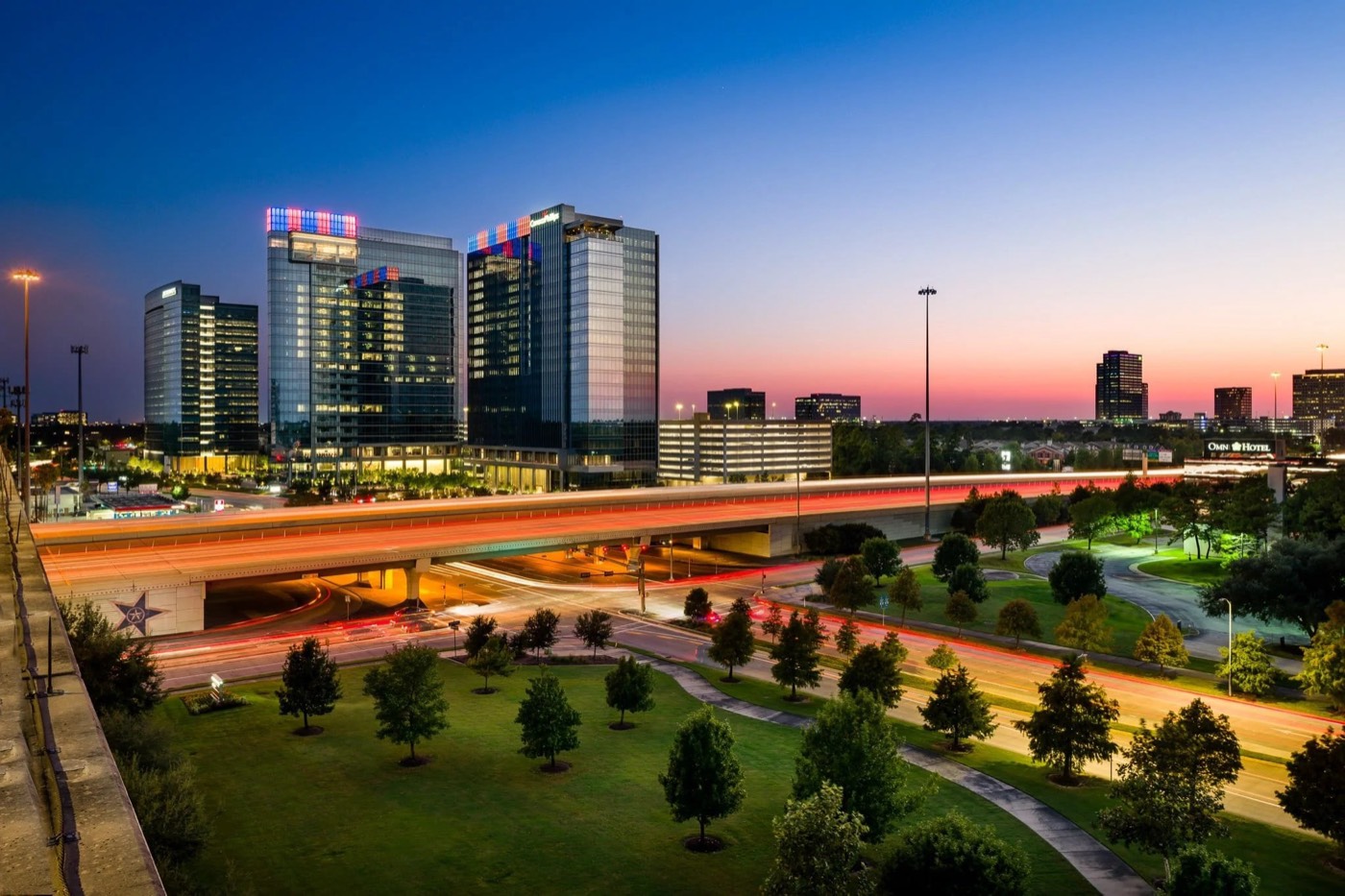
Downtown Houston commercial rooftops

For most low-slope car wash roofs in Houston we lean toward reflective single-ply systems that shed heat and resist the chemistry of a wash environment. A white TPO or PVC membrane keeps the roof surface and the air space below it cooler, which directly reduces the condensation that plagues heated tunnels. PVC in particular holds up well against the detergents, solvents, and oils common around wash equipment, where a less chemically resistant membrane can soften or break down at the seams.

Over metal decks above the tunnel, the insulation and vapor strategy matters as much as the membrane. We look at deck type, interior temperature and humidity, and how the building is ventilated before locking in an assembly, because the wrong vapor control can move the dew point right into the insulation and make condensation worse. On equipment rooms with constant heat and steam, we detail the assembly to keep that moisture from migrating into the roof.

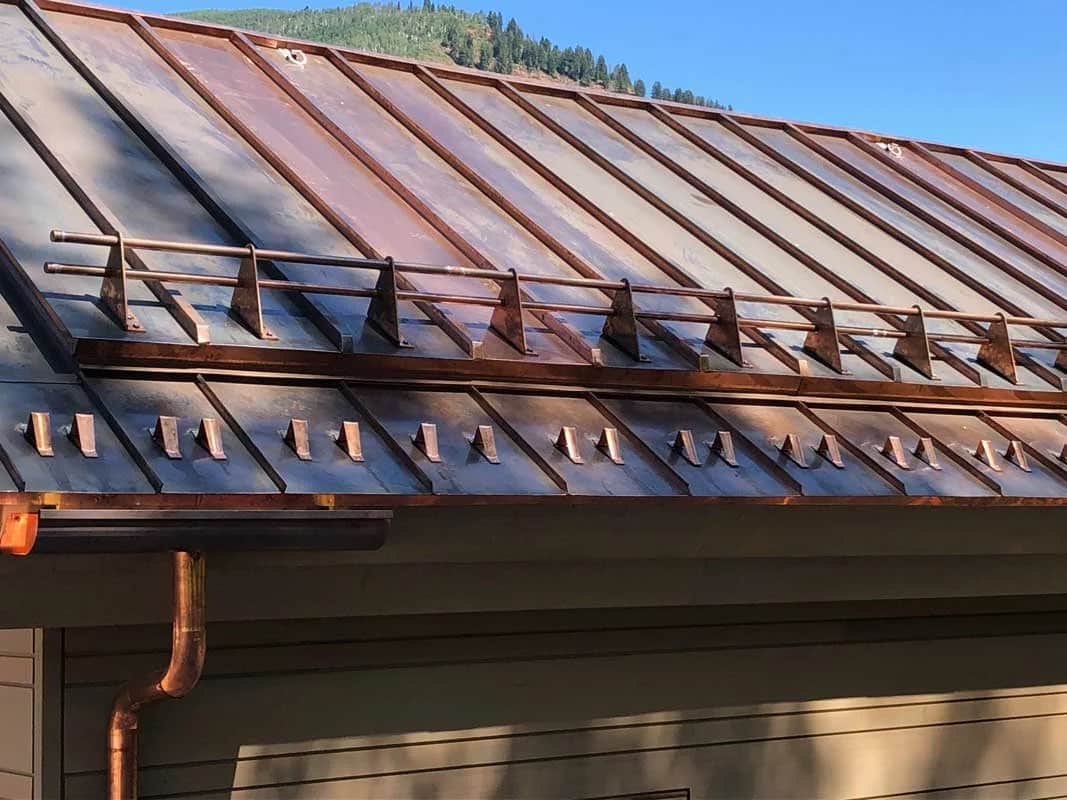
For metal roofs and canopies, including the standing-seam covers common over vacuum islands and entry arches, we offer recoat and restoration with reflective coatings where the panels are sound, and panel or fastener repair where corrosion has taken hold. Silicone coatings perform well here because they tolerate the ponding and constant dampness a Houston wash site lives with.

Houston Energy Corridor commercial buildings

Penetrations, drainage, and detailing

A wash roof is crowded. Reclaim tanks, water heaters, dryer blowers, exhaust fans, and conduit all break the roof plane, and every one of those penetrations is a potential leak. We flash each penetration to the membrane manufacturer's detail rather than relying on field-applied mastic that bakes brittle in our summer sun. Around blowers and heavy equipment we use the right curbs and supports so foot traffic during service does not crush insulation or puncture the membrane.

Drainage gets close attention because Houston rain arrives in volume. Slow afternoon storms can drop several inches over a flat tunnel roof in an hour, and on the coastal plain that water has to be pushed deliberately to drains and scuppers. We correct ponding with tapered insulation and added drainage so standing water does not sit over your equipment room week after week. Where a wash discharges to a site system tied into Harris County drainage, we keep roof runoff moving cleanly off the structure rather than overwhelming a single internal drain.

Roof planning notes

Reroofing without shutting the wash down

Talk with a Houston commercial roofing team

Storm exposure on the Gulf Coast

A closed car wash is lost revenue every hour, so we plan reroofs around your operating schedule. On many sites we can phase the work tunnel section by section, or stage tear-off and dry-in within a single day so the bays reopen the next morning. We sequence around your busiest days, protect the conveyor and electronics below from debris and water during tear-off, and keep the equipment room watertight at the end of every shift. For owners running several locations across the metro, we coordinate a roofing plan that addresses the worst roofs first and budgets the rest over time. Houston car washes face the full menu of severe weather. Hurricane season brings wind that can lift poorly fastened canopy panels and tear at membrane edges, the kind of damage that left wash operators scrambling after past storms. Spring delivers hail that dents metal and bruises single-ply. After any major event we provide documented roof inspections, photograph and map the damage, and give you a clear repair-or-replace recommendation you can take to your insurer. Detailed evidence matters, because storm claims on commercial roofs in this region get scrutinized.

Maintenance that protects the investment

The roof over a wash works hard year-round, so we recommend scheduled inspections at least twice a year, before hurricane season and after the worst of the summer heat. We clear drains and scuppers of the grit and debris a wash environment generates, check seams and flashings around all that equipment, reseal penetrations as needed, and catch corrosion on metal sections before it spreads. Catching a soft seam or a clogged drain early is far cheaper than replacing a deck that has been quietly rotting under trapped condensation. Whether you run a single express tunnel or a portfolio of washes across Houston, we keep the building over your operation dry, reflective, and ready for the next storm. Talk with a Houston commercial roofing team