
Skip to content

We install Duro-Last prefabricated PVC roofing systems on Houston commercial buildings, with factory-welded seams built for Gulf Coast heat, rain, and wind.

Schedule a Roof Review

  • Duro-Last Roofing Systems We Install in Houston
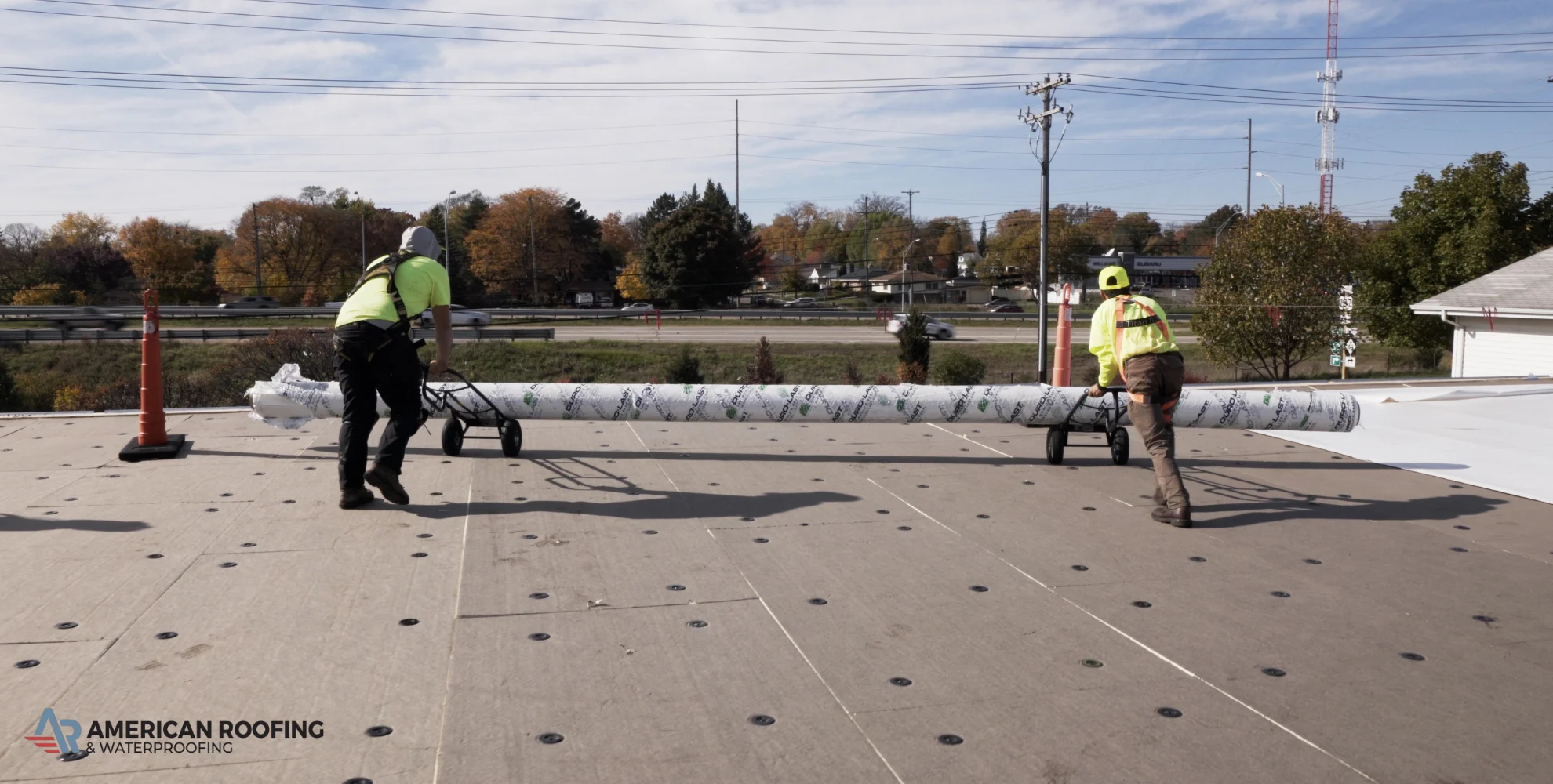
  • We install Duro-Last prefabricated PVC roofing systems on commercial buildings throughout the Houston metro. What sets Duro-Last apart from other single-ply membranes is where most of the work happens: the membrane is custom-fabricated in a factory to the measurements of your specific roof, with the field seams and many of the flashing details welded under controlled conditions before the material ever reaches the site. For a roof that has to be watertight in a climate that throws multi-inch rain events at it on a regular basis, moving the bulk of the seaming off the rooftop and into a factory is a real advantage.
  • The system is a reinforced PVC membrane, so it carries the strengths PVC brings to a Gulf Coast roof: a reflective white surface that fights summer heat, hot-air-welded seams that fuse into a continuous sheet, and resistance to grease and many chemicals. We use Duro-Last on warehouses, retail centers, offices, and light-industrial buildings across Harris County where a precise, fast-to-install, leak-resistant roof is the priority.
  • Prefabrication and Why It Matters on a Houston Roof
  • On a conventional single-ply job, crews weld hundreds or thousands of linear feet of seam by hand, on the roof, in whatever weather the day brings. In a Houston summer that means welding in brutal heat; in storm season it means racing the next afternoon downpour. Duro-Last shifts a large share of that seaming into the factory, where the welds are made and tested in controlled conditions. The deck sheets arrive sized for the roof, so field labor focuses on attachment and the final perimeter welds rather than fabricating the whole membrane in place.
  • That approach has two payoffs that matter locally. First, fewer field seams and factory-controlled welds reduce the number of places where a hand-weld in tough conditions could go wrong, which is exactly where leaks tend to start on a wet-climate roof. Second, the installation moves faster and exposes the building to weather for less time, which is valuable when the forecast is unpredictable and the building underneath cannot afford to take on water.
  • Where Duro-Last Fits
  • Buildings with tight, leak-sensitive interiors where downtime and water intrusion are costly
  • Roofs crowded with penetrations, curbs, and equipment that benefit from prefabricated flashings

Roof planning guidance

Warehouse and distribution roofs across the Northwest and Southeast industrial corridors Retail, grocery, and restaurant buildings where a fast, clean install matters PVC Performance in Houston Heat and Sun

Schedule a roof review
Duro-Last PVC Roofing Systems in Houston, TX
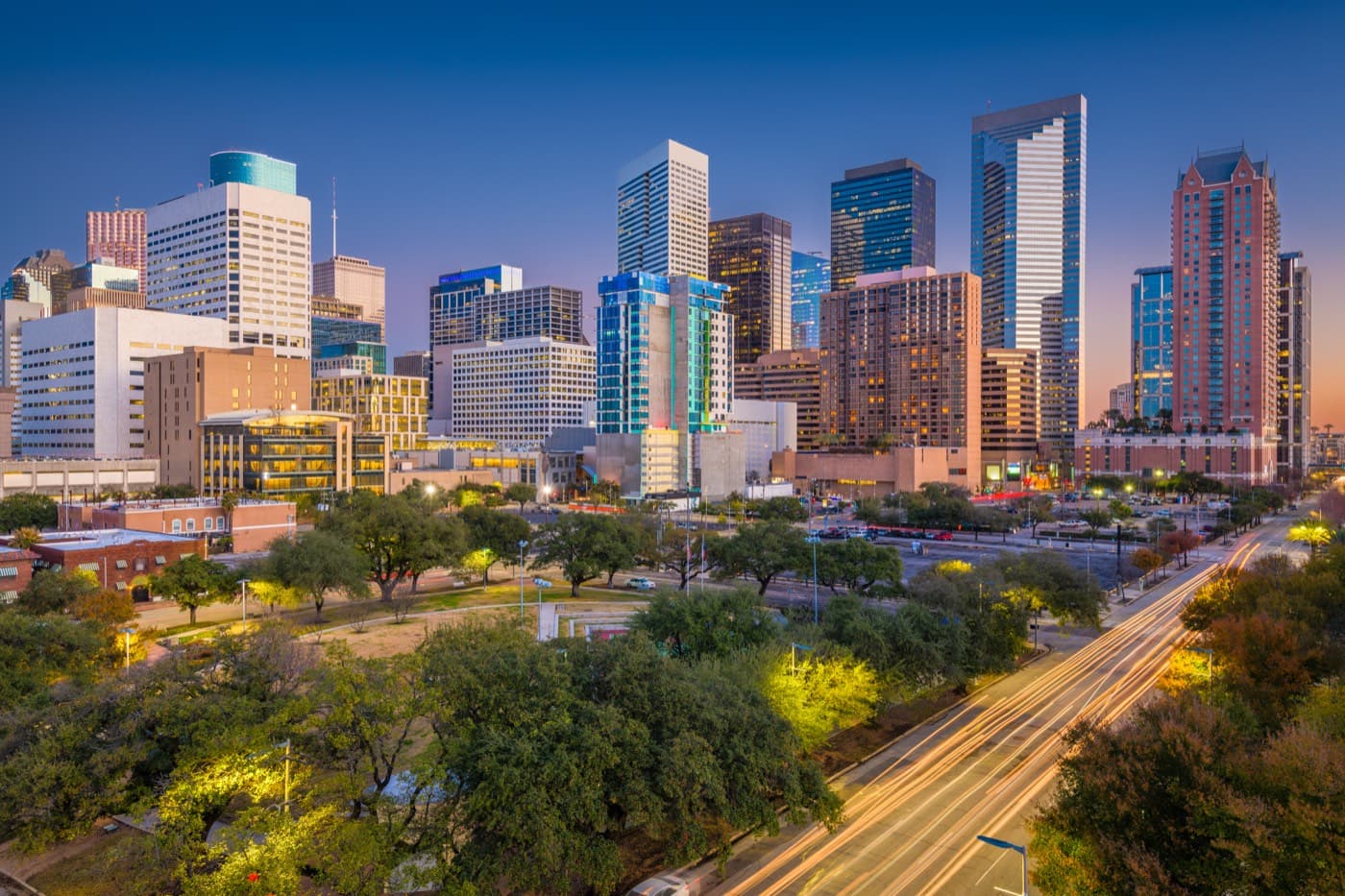
Downtown Houston commercial rooftops

The reflective white Duro-Last membrane reflects a large share of the sun's energy instead of absorbing it. On a flat Houston roof that bakes from spring through fall, that reflectivity keeps the roof surface and the space below cooler and eases the load on rooftop HVAC equipment that runs nearly year-round here. A dark, heat-absorbing roof works against you every afternoon in this climate; a reflective PVC roof works with you.

Because it is PVC, the membrane also resists grease and many chemicals. That makes it a strong fit for restaurants where kitchen exhaust deposits grease around the roof, and for light-industrial buildings near the Ship Channel petrochemical belt where airborne oils and contaminants land on the roof. A membrane that shrugs off those exposures lasts longer in those conditions than one that slowly degrades under them.

Seams, Flashings, and Leak Resistance

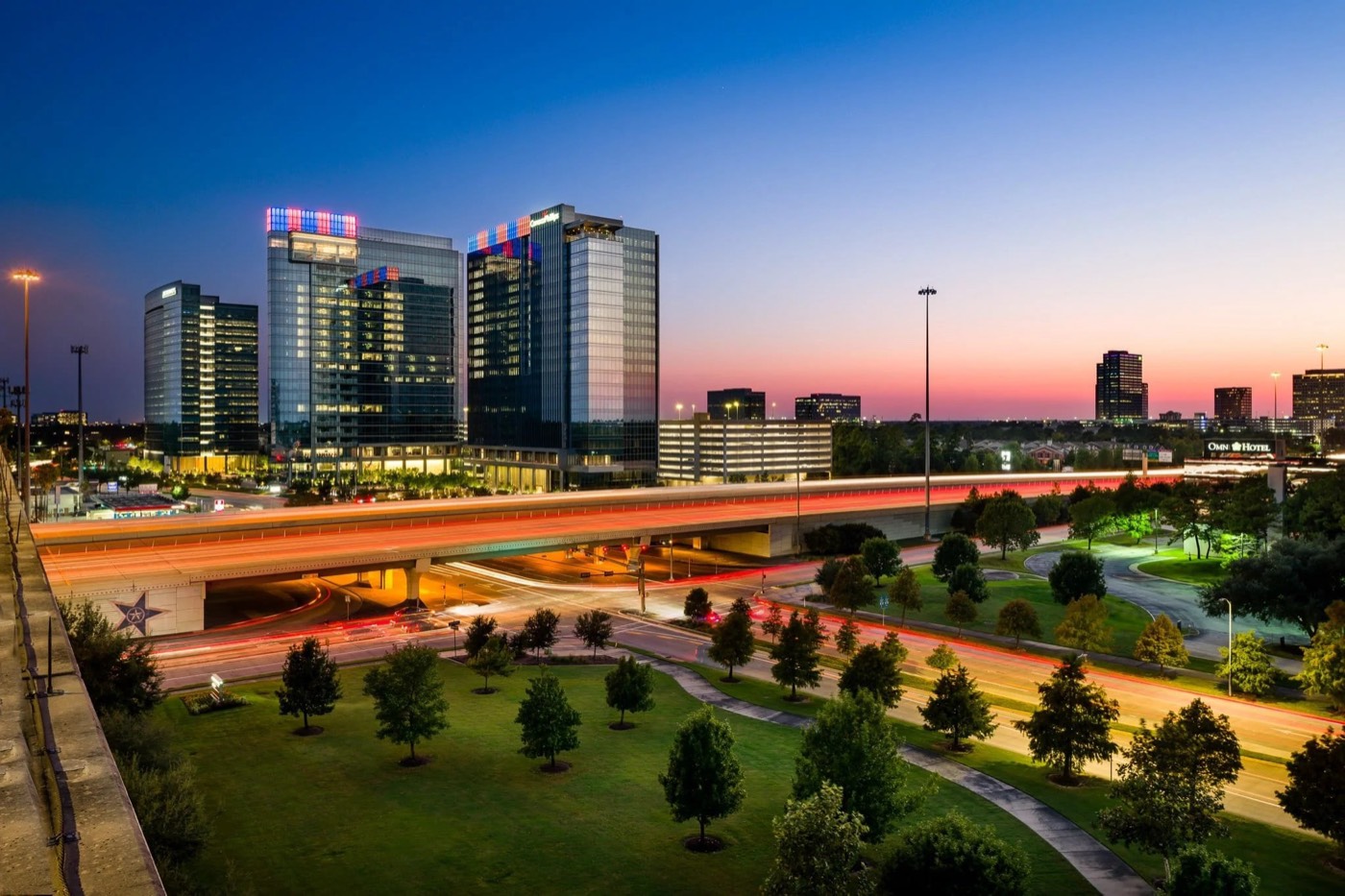
Houston Energy Corridor commercial buildings

Leaks on a commercial roof almost never start in the open field of the membrane. They start at seams, at penetrations, and at the perimeter, the details where the membrane has to wrap around something or join another piece. Duro-Last addresses this directly by prefabricating many of those details, including custom flashings for stacks, pipes, and curbs, so the transitions are welded accurately rather than improvised on the roof. Hot-air welding then fuses the seams into a monolithic surface with no adhesive bond line to break down when water ponds after a heavy rain.

We still detail the rooftop carefully in the field, because every roof has its own equipment and quirks, but starting from prefabricated, factory-welded components means the highest-risk details show up already done right. On a roof that has to stay watertight through a Gulf Coast storm season, that is exactly where you want the precision concentrated.

Detailing We Handle

Roof planning notes

Roof Scope Notes

Talk with a Houston commercial roofing team

Wind Uplift on the Gulf Coast

Houston roofs have to be designed for coastal wind. When a storm system pushes 70-plus mph gusts across Harris County, uplift forces concentrate at the perimeter and corners of a roof, and that is where a poorly attached system fails first. We install Duro-Last with attachment and edge details engineered for the building's wind exposure, with enhanced fastening in the high-uplift perimeter and corner zones so the membrane stays anchored when the wind tries to peel it. The factory-welded, reinforced membrane gives the attachment something strong to hold onto across the field of the roof. Talk with a Houston commercial roofing team