Skip to content

We install Carlisle SynTec TPO, EPDM, and PVC roofing systems on Houston commercial and industrial buildings built for Gulf Coast heat, wind, and heavy rain.

Schedule a Roof Review

  • Carlisle SynTec Roofing Systems We Install in Houston
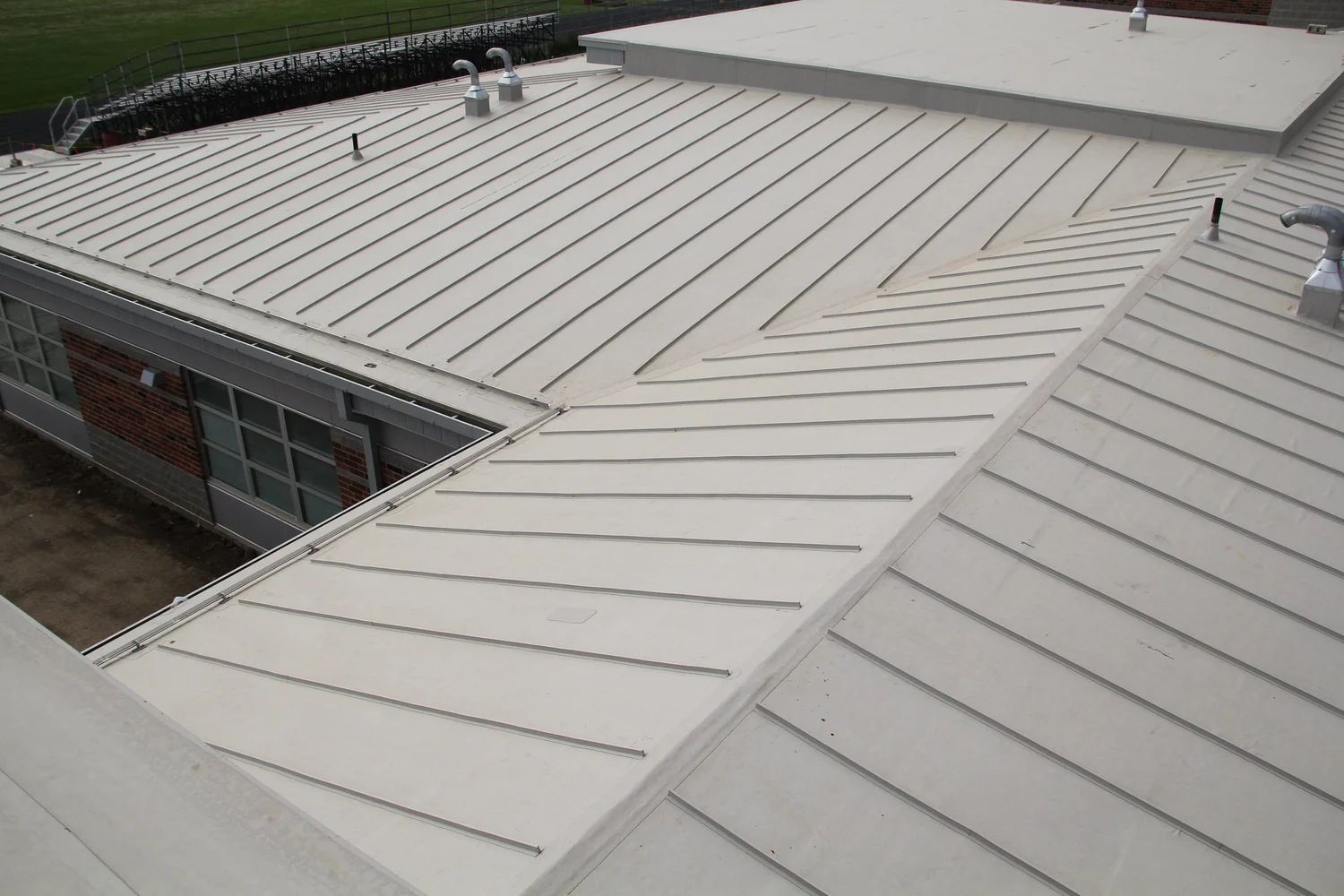
  • We install Carlisle SynTec single-ply membranes on commercial and industrial buildings across the Houston metro, from the warehouse corridors off Beltway 8 to office and retail properties around Westchase and the Galleria. Carlisle's catalog covers the three membrane families that dominate our low-slope market here: Sure-Weld TPO, Sure-Seal EPDM, and Sure-Flex PVC. Each one solves a different problem on a Gulf Coast roof, and the right choice depends on the building, the deck, the rooftop equipment, and what the roof has to survive between hurricane seasons.
  • The thing that makes Carlisle a workable platform for this region is the breadth of the assembly, not any single product. A membrane is only as good as the insulation, fasteners, adhesives, edge metal, and flashing details wrapped around it. Carlisle builds all of those components to work together, which matters when a roof has to handle 70-plus mph wind gusts off the coast, standing summer heat, and the kind of multi-inch rain events Harris County sees in a typical storm season.
  • Sure-Weld TPO for Houston Heat and Sun Load
  • TPO is the membrane we specify most often on new and replacement low-slope roofs in this area, and Carlisle's Sure-Weld line is a big part of why. The white reflective surface pushes back the solar heat that builds on a flat roof through a Houston summer, when rooftop temperatures climb far past the air temperature and stay there for months. That reflectivity lowers the heat load coming into the building and takes strain off the rooftop HVAC units that run almost year-round here.
  • We install Sure-Weld in several thicknesses depending on the exposure. On roofs that take foot traffic, sit under heavy equipment, or face a lot of hail risk, we move up to the heavier 80-mil membrane for a thicker weathering surface. The heat-welded seams are the real strength of TPO in a wet climate: a properly welded seam fuses the sheets into a continuous membrane, so there is no adhesive bond line to fail when water ponds after a heavy rain.
  • Where TPO Fits
  • Warehouse and distribution roofs across the Northwest and Southeast industrial corridors
  • Retail, grocery, and big-box buildings where cooling costs are a year-round concern

Roof planning guidance

Re-cover and tear-off projects on aging built-up or modified bitumen roofs Office and flex buildings around Westchase, Greenspoint, and the Energy Corridor Sure-Seal EPDM for Long-Run Durability
Schedule a roof review
Carlisle SynTec Commercial Roofing Systems in Houston, TX
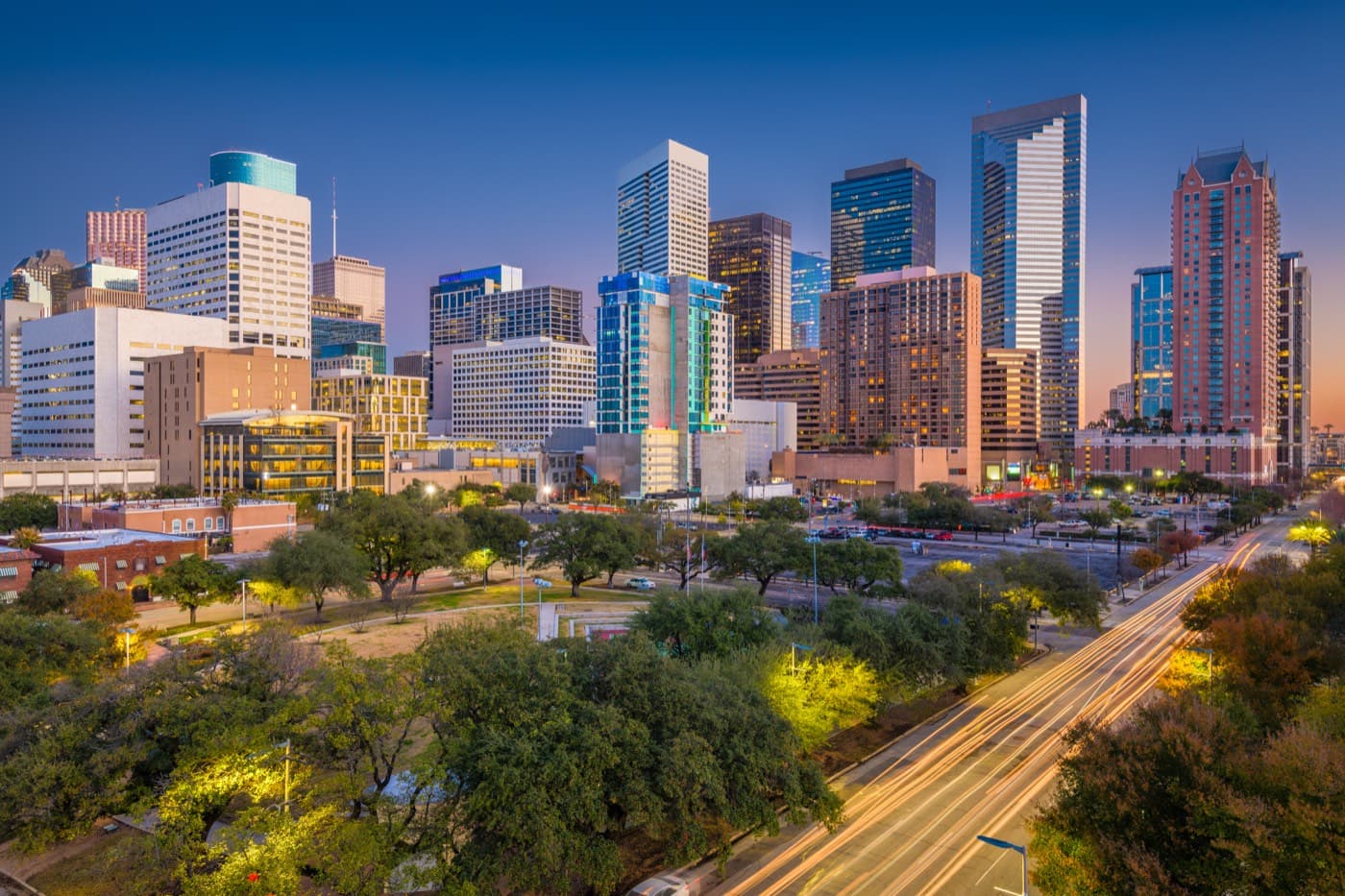
Downtown Houston commercial rooftops

EPDM is a synthetic rubber membrane, and Carlisle's Sure-Seal line has one of the longest field histories of any single-ply product. It handles ozone, UV, and temperature swings well, and the sheets come in large widths that mean fewer seams across a big roof. On Houston buildings, we tend to reach for EPDM where the building owner wants a proven, lower-maintenance membrane and the cooling penalty of a dark roof can be managed through insulation or a reflective coating later.

EPDM is also forgiving on roofs with a lot of penetrations and irregular layouts. The flashing details adapt well around the pipes, curbs, and equipment stands that crowd a typical commercial roof, and the cured membrane stays flexible across the temperature range we see between a January cold snap and an August afternoon. We install it in fully adhered, mechanically attached, and ballasted configurations depending on the deck and the wind exposure.
Sure-Flex PVC for Grease, Chemical, and Wash-Down Exposure

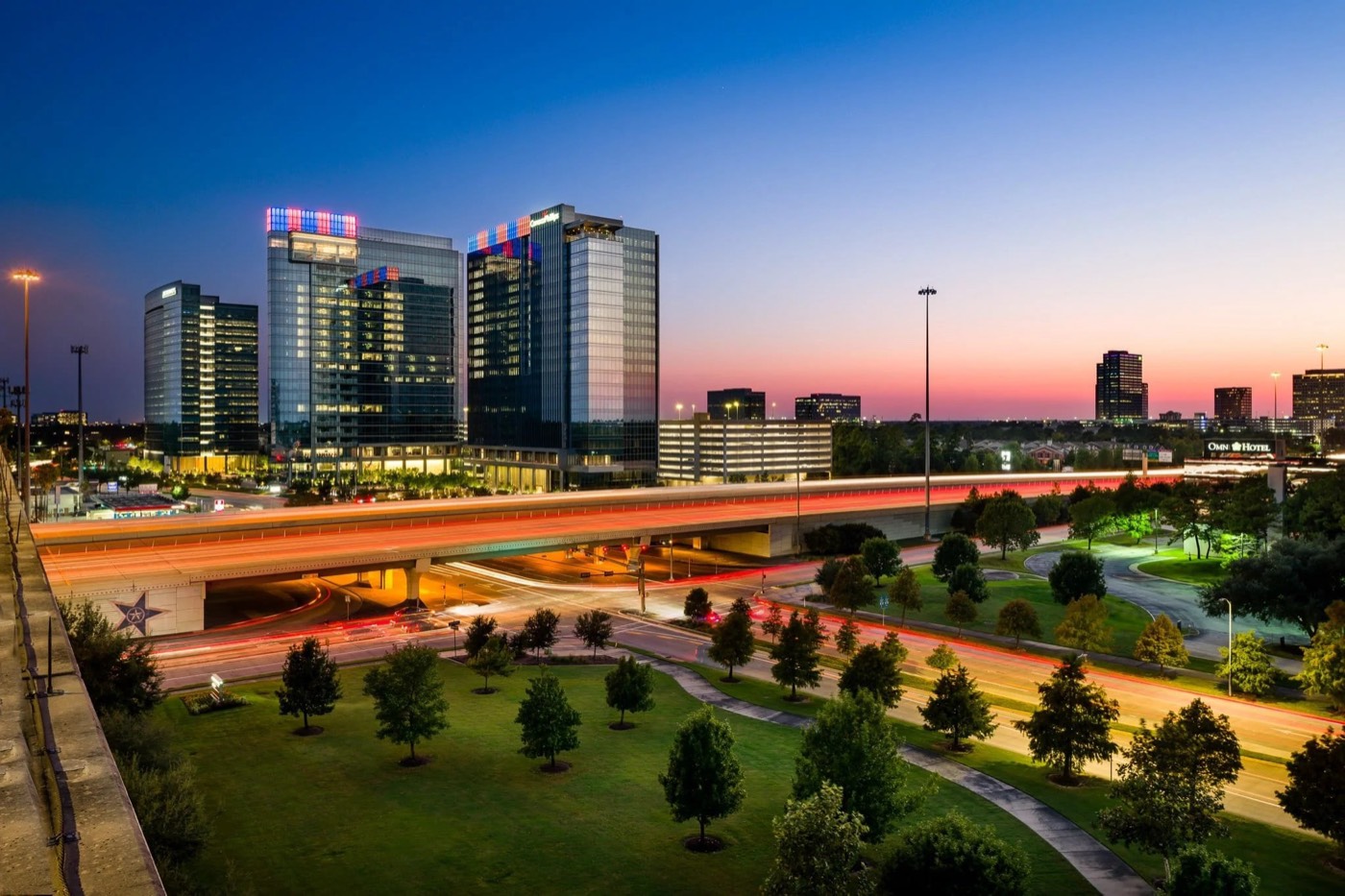
Houston Energy Corridor commercial buildings

Some Houston buildings put a roof in contact with things that destroy ordinary membranes. Restaurant exhaust dumps grease onto the roof around the kitchen. Industrial and processing facilities along and near the Ship Channel vent chemical fumes and oils. For those buildings we install Carlisle Sure-Flex PVC, which resists grease, animal fats, and many chemicals that would degrade TPO or EPDM over time.

PVC shares the heat-welded seam strength of TPO and comes in reflective white as well, so it carries the same summer cooling benefit while standing up to harsher rooftop conditions. We use it on food-service buildings, on facilities with greasy or chemical exhaust, and on roofs where the owner wants the longest-lasting hot-air-welded option available.

Where PVC Fits

Roof planning notes

Restaurants and food-processing buildings with grease-laden exhaust

Talk with a Houston commercial roofing team

Industrial and light-manufacturing facilities with chemical or oil exposure

Buildings near the Houston Ship Channel petrochemical belt with airborne contaminants Any roof where heat-welded seams and chemical resistance both matter

Wind, Hail, and the Components Around the Membrane

The membrane is the part people talk about, but on the Gulf Coast the attachment and the edge are what decide whether a roof survives a storm. Wind gets under a roof at the perimeter and corners first, and a failed edge can peel a field that was otherwise sound. We build Carlisle assemblies with the manufacturer's edge metal, termination details, and enhanced fastening patterns at the perimeter and corner zones, because that is where uplift forces concentrate when a coastal storm system moves through Harris County. Talk with a Houston commercial roofing team