
Skip to content

Commercial Roofing in Westchase District, TX

Schedule a Roof Review

  • Roofing the energy corridor's office core
  • Westchase is an office district first and foremost, a dense cluster of mid- and high-rise buildings packed into the southwest quadrant where Westheimer Road meets Beltway 8. It is home to a heavy concentration of energy-sector firms — engineering, oilfield services, and the back-office operations that run the industry — and the building stock reflects that corporate tenancy. The roofs we work here are largely low-slope membrane systems on multi-story office buildings, corporate campuses, and the flex and light-industrial space that fills in around the towers. We handle commercial roofing across the whole district, and the work is shaped by full daytime occupancy and demanding tenants.
  • What sets Westchase apart from the inner-loop districts is the consistency of the product and the seriousness of the buildings below the deck. These are working office floors full of engineers, servers, and operations staff, which means a roof leak is never trivial: water over a data closet or a project-team floor is an expensive interruption to a business that bills by the hour. The rooftops themselves carry large HVAC plants, cooling towers, and screened mechanical yards, and as with most office stock, the failures we find tend to start at the equipment curbs, the penetrations, and the pitch pockets rather than out in the open membrane.
  • The buildings we work in Westchase
  • The core of the district is its office inventory along Westheimer, Richmond, and the Beltway 8 feeder roads — multi-tenant towers and single-occupant corporate buildings, many of them built or expanded through the energy boom decades. A good share of that stock is now into the age range where the original roof is at or past its service life, which makes Westchase a real reroofing market, not just a maintenance one. We see single-ply membranes that have been coated once already, built-up assemblies nearing the end, and replacement decisions that hinge on what the insulation below has been doing for the last twenty years.
  • Around the towers sits a band of flex and light-industrial buildings serving the same energy tenants — labs, equipment yards with conditioned office attached, and warehouse-office combinations. These carry simpler TPO-on-metal-deck roofs, but they still leak at the same details, and they often house sensitive equipment that makes a fast, clean repair worth more than a cheap one. We scope each building for what is actually under the roof.
  • Multi-tenant office towers along Westheimer and the Beltway 8 corridor with full daytime occupancy
  • Single-occupant corporate and energy-sector campus buildings, many at reroofing age
  • Flex and light-industrial buildings with conditioned office and equipment space

Roof planning guidance

Data and operations floors where a leak is a business interruption, not a nuisance Structured parking top decks and connector roofs tied into the office buildings Gulf Coast climate against an aging office stock

Schedule a roof review
Commercial Roofing in Westchase District, TX
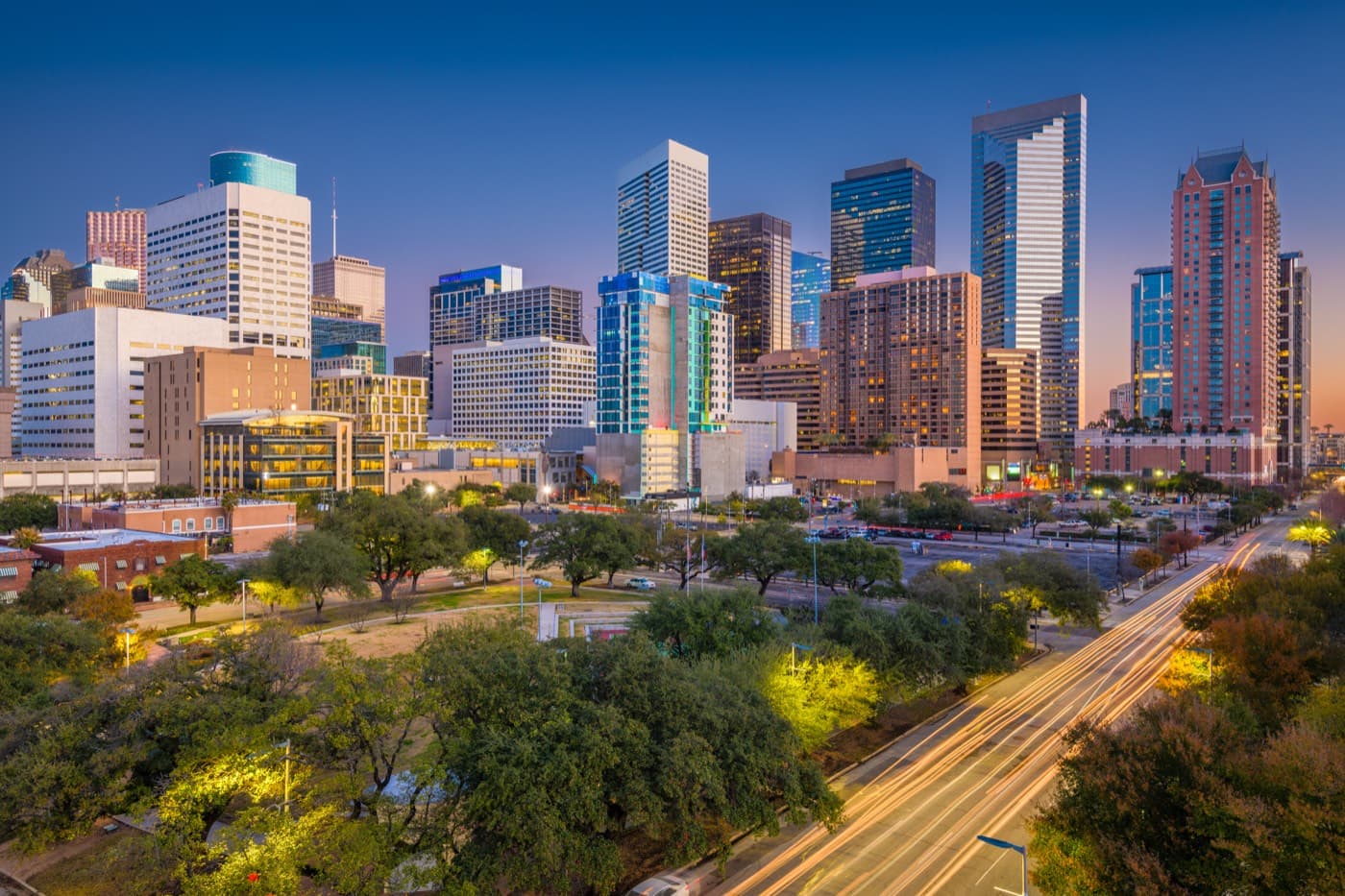
Downtown Houston commercial rooftops

Westchase takes the full Gulf Coast weather load, and an older office roof has less margin to absorb it. Hurricane season runs June through November, and wind uplift concentrates at the perimeter and corners of these multi-story buildings, where worn edge metal and coping are the first things to let go. Once the perimeter flashing lifts, wind-driven rain works under it, and the leak surfaces over a tenant floor that was dry an hour earlier. We inspect the edges and parapets closely on every Westchase building, because that is where the older roofs in this district actually fail in a storm.

Spring hail is the sharp risk. Severe storms tracking across southwest Houston bruise membranes across whole rooftops, and on an aging single-ply system that bruising can be the event that tips a marginal roof into replacement. We document the impacts honestly — field photos, marked strikes, equipment damage — so the building owner can compare a repair against a replacement on real evidence. The relentless Houston heat and UV are the slow killer in between storms, drying out an old membrane and aging it from the surface down, which is exactly why a reflective system pays off on a large Westchase office roof.

Drainage is a recurring problem on this older stock, and the district's geography makes it worse. Westchase drains toward Buffalo Bayou and the channels that feed it, and this corner of Harris County has a long memory of flooding around Beltway 8 and the bayou crossings. On the roof, the equivalent is ponding water sitting over a blocked scupper or a tired drain on a roof that has settled over the years. Standing water punishes an aging membrane and rules out most coatings, so we evaluate the drains, overflows, and conductor heads as their own scope item and tell you plainly if they need work before anything else gets priced.
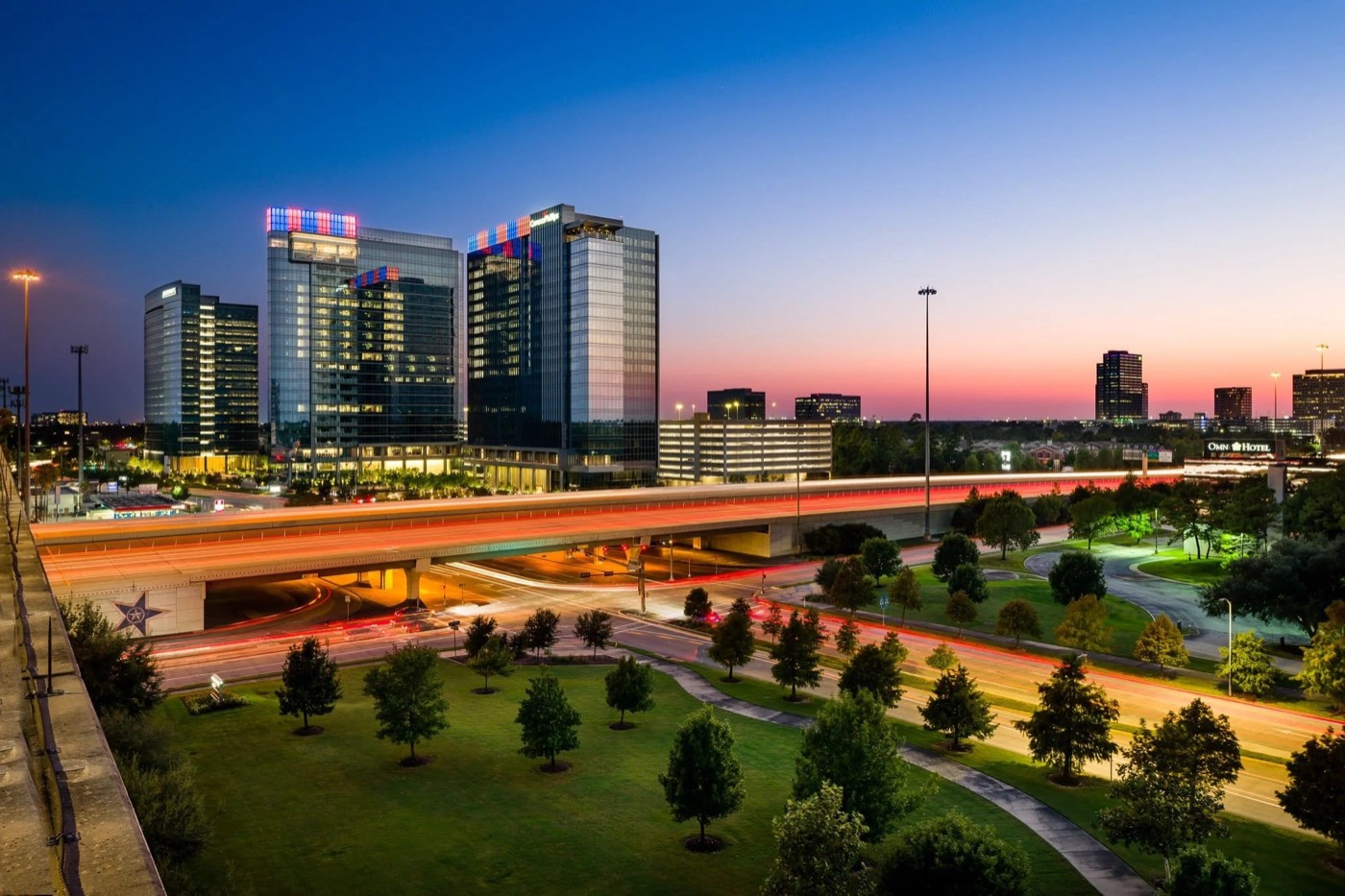
Houston Energy Corridor commercial buildings

Working around full office occupancy

The defining logistics challenge in Westchase is that the buildings are full while we work. Roof access usually runs through the building's freight elevator and stair core, crane picks off Westheimer or the Beltway and timing coordination, and noise, odor, and any disruption over occupied floors have to be managed with property management before a crew arrives. Tenants in this district do not tolerate surprises, so we plan the access route, the protection, and the work windows up front. A Westchase scope that cannot be staged around a working office is not one a building owner can actually accept.

What we leave you with