
Skip to content

Commercial Roofing in Sharpstown, TX

Schedule a Roof Review

  • Roofing the Strip Centers and PlazAmericas Footprint of Southwest Houston
  • Sharpstown was one of Houston's first master-planned suburbs, and most of its commercial buildings carry that history on their roofs. The strip retail along Bellaire Boulevard and the big-box footprint headlined by PlazAmericas (the former Sharpstown Center off the Southwest Freeway at Bellaire) were built decades ago on large, low-slope decks that have been patched, recovered, and re-tenanted many times. We work on these roofs constantly, and the condition we find rarely matches the paperwork an owner was handed at purchase. Our first job is to read what is actually up there: built-up gravel roofs, aging modified bitumen, scattered single-ply recovers, and a lot of field-applied repairs that solved one leak and hid the next one.
  • The commercial fabric here is dense and varied. The Bellaire Boulevard Asiatown commercial strip runs for miles through Sharpstown and into the surrounding southwest neighborhoods, packed with grocery-anchored centers, restaurants, banquet halls, medical and dental suites, and small wholesale operations. Many sit under shared roof decks where one membrane covers a dozen lease lines. That changes how we scope work. A leak above one tenant is almost never an isolated problem, and pricing a single bay without walking the whole roof usually produces a number that falls apart the first hard rain.
  • Why Roofs Fail Here
  • Southwest Houston sits low and drains slowly, and Sharpstown felt that directly during Harvey in 2017 and again during the May 2024 derecho and Hurricane Beryl that July. The Brays Bayou watershed runs along the south edge of this area, and when Harris County Flood Control's channels back up, water sits on the ground and on the roof at the same time. Flat decks that were near-level when they were built have settled into low spots, and on an older Sharpstown center we routinely find ponding that the original drains can no longer clear.
  • The forces that wear these roofs out are specific to the upper Gulf Coast:
  • Wind uplift during hurricane season. June through November brings the real exposure. Older built-up and ball-ballasted roofs along Bellaire lose edge metal and gravel before the field membrane goes, and a lifted edge becomes a peeled corner in the next storm.
  • Hail. Spring squall lines crossing the southwest side bruise aged modified bitumen and crack weathered coatings, and the damage often does not leak until weeks later.
  • Heat and UV. Long, intense summers cook dark, gravel-surfaced roofs. Asphalt-based membranes lose their oils, granules embed, and seams that were fine in March open up by August.

Roof planning guidance

Heavy rain and slow drainage. Standing water finds every tired seam and lap. On a multi-tenant Sharpstown roof, that is the failure mode we see most. How We Approach a Sharpstown Building We start on the roof, not in the office. A walk tells us membrane type, deck condition, where water actually moves, and whether the drains and overflow scuppers can handle a Houston downpour. On the older strip centers off Bellaire and around PlazAmericas, we map the low spots and the ponding rings before anyone talks about product, because the cheapest fix that ignores drainage is the most expensive fix over five years.

Schedule a roof review
Commercial Roofing in Sharpstown, TX
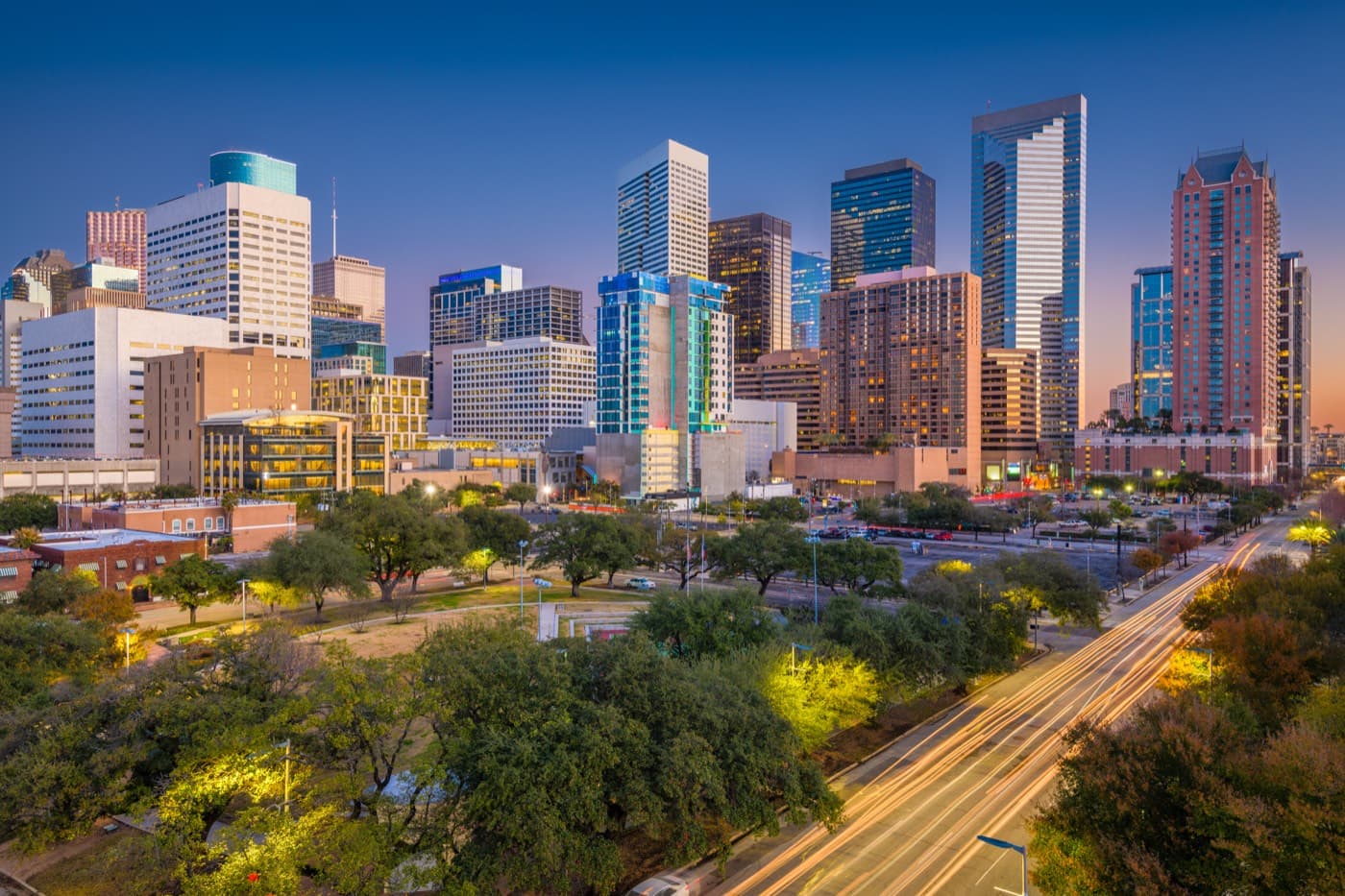
Downtown Houston commercial rooftops

For a stable but tired roof, a quality reflective coating or restoration can buy real years and cut the heat load that drives summer cooling bills in these retail boxes. Where the membrane is sound but the field ponds, we add tapered insulation to push water toward the drains instead of letting it sit. Where moisture has gotten into the insulation or the deck is soft, we are honest that a tear-off and a new single-ply system is the only thing that will hold, and we phase it so a busy Asiatown grocery or restaurant can keep its doors open while we work over occupied space.

Multi-Tenant Coordination

The reality of Sharpstown commercial property is shared roofs and active tenants. We sequence work so a banquet hall, a clinic, and a restaurant under the same deck are not all shut down at once, stage materials away from customer entrances and parking, and keep open sections dried in at the end of each day so an afternoon thunderstorm does not turn a planned job into an emergency. For property managers running several centers along the corridor, we document each roof the same way so the portfolio can be budgeted as a whole rather than one surprise at a time.

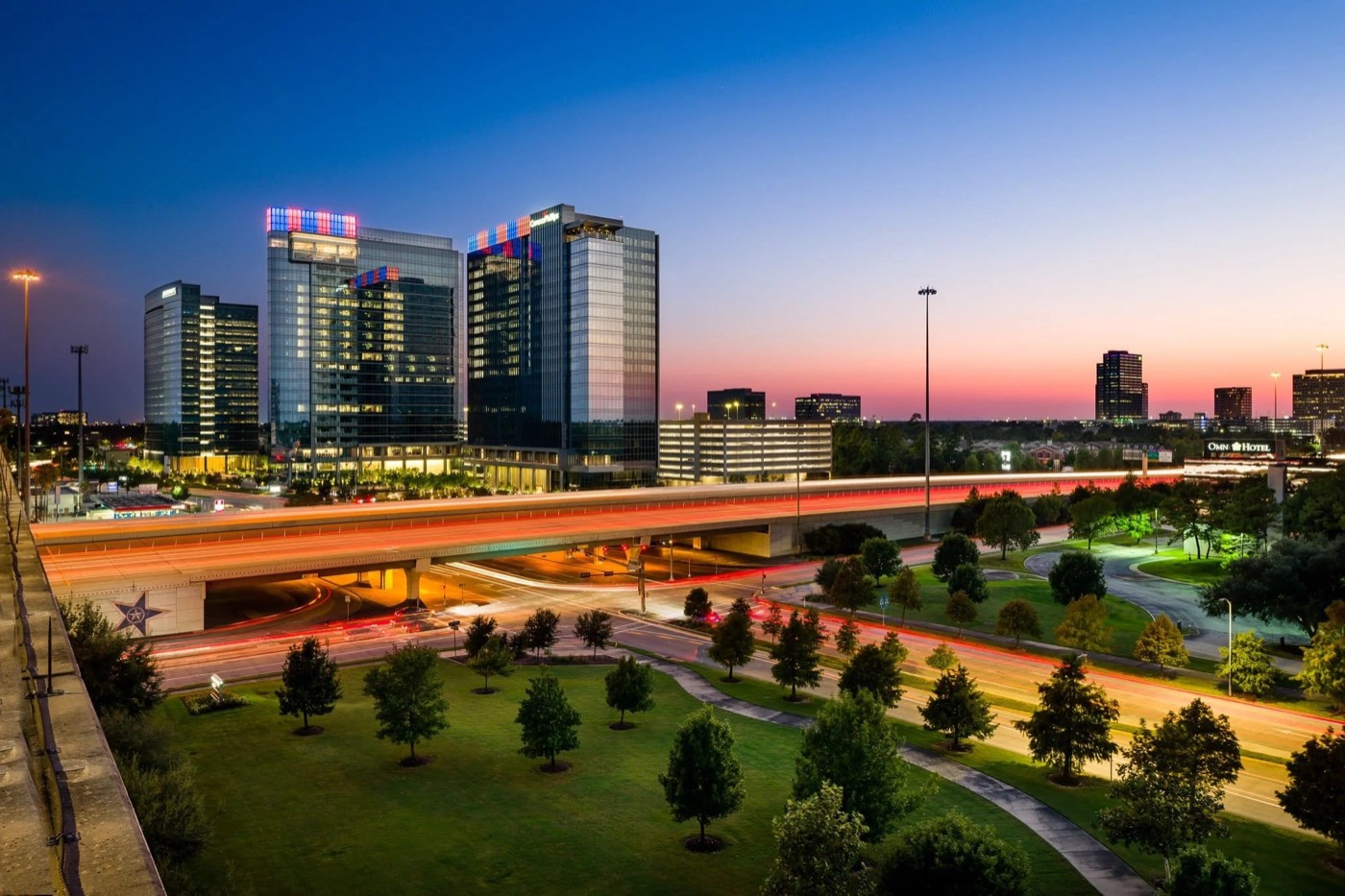
Houston Energy Corridor commercial buildings

The Restaurant and Grocery Roof Problem

The Asiatown corridor is one of the densest concentrations of restaurants and Asian groceries in the country, and that food-service density shows up directly in the roofs. Kitchen exhaust fans deposit grease onto the membrane around the curbs, and grease is hard on asphalt-based systems and on many coatings, so the area downwind of an exhaust hood ages faster than the rest of the field. Refrigeration and walk-in cooler condensers add weight and penetrations, and the constant foot traffic from service techs working that equipment wears paths into the membrane. When we scope a food-anchored center off Bellaire, we look hard at the grease zones, the equipment curbs, and the service-traffic paths, because that is where these roofs fail first and where a generic square-foot price misses the real condition. Where grease exposure is heavy, we steer owners toward membranes and walkway protection that hold up to it rather than a coating that will not.

Drainage is the other Sharpstown-specific issue. Many of these centers were built before current Harris County and City of Houston drainage expectations, with too few roof drains and overflow scuppers set too high to do any good in a real storm. After Harvey and again after Beryl, we have re-engineered drainage on several of these roofs as part of a reroof — adding drains, lowering or adding overflow scuppers, and tapering the insulation so water has somewhere to go. On a low, slow-draining lot in southwest Houston, that drainage work is often what actually stops the leaks, more than the membrane choice itself.

Roof planning notes

What You Get From an Inspection

Talk with a Houston commercial roofing team

If your roof has already leaked, the order is documentation and temporary water control first, then a permanent scope. If it is still dry, the smart move is an inspection and a maintenance plan before the next hurricane season, because the roofs that come through a Houston summer intact are the ones that got attention in the spring. Whether you own a single Bellaire Boulevard storefront or manage a grocery-anchored center near PlazAmericas, we can give you a clear picture of where the roof stands and what it will take to keep water out.

Every Sharpstown roof we look at comes with a written record: membrane type and age, deck and insulation condition, drain and scupper performance, edge-metal and parapet condition, the location of active leaks and old repairs, and a priced set of options ranging from targeted repair to full replacement. After a named storm, we provide contractor-side documentation an owner can take to an insurer, with photos tied to roof locations, but we do not promise a claim outcome or act as an adjuster. Talk with a Houston commercial roofing team