

Skip to content

Commercial Roofing in Richmond, TX

Schedule a Roof Review

  • A County Seat With a Century-Old Core and a Fast-Growing Edge
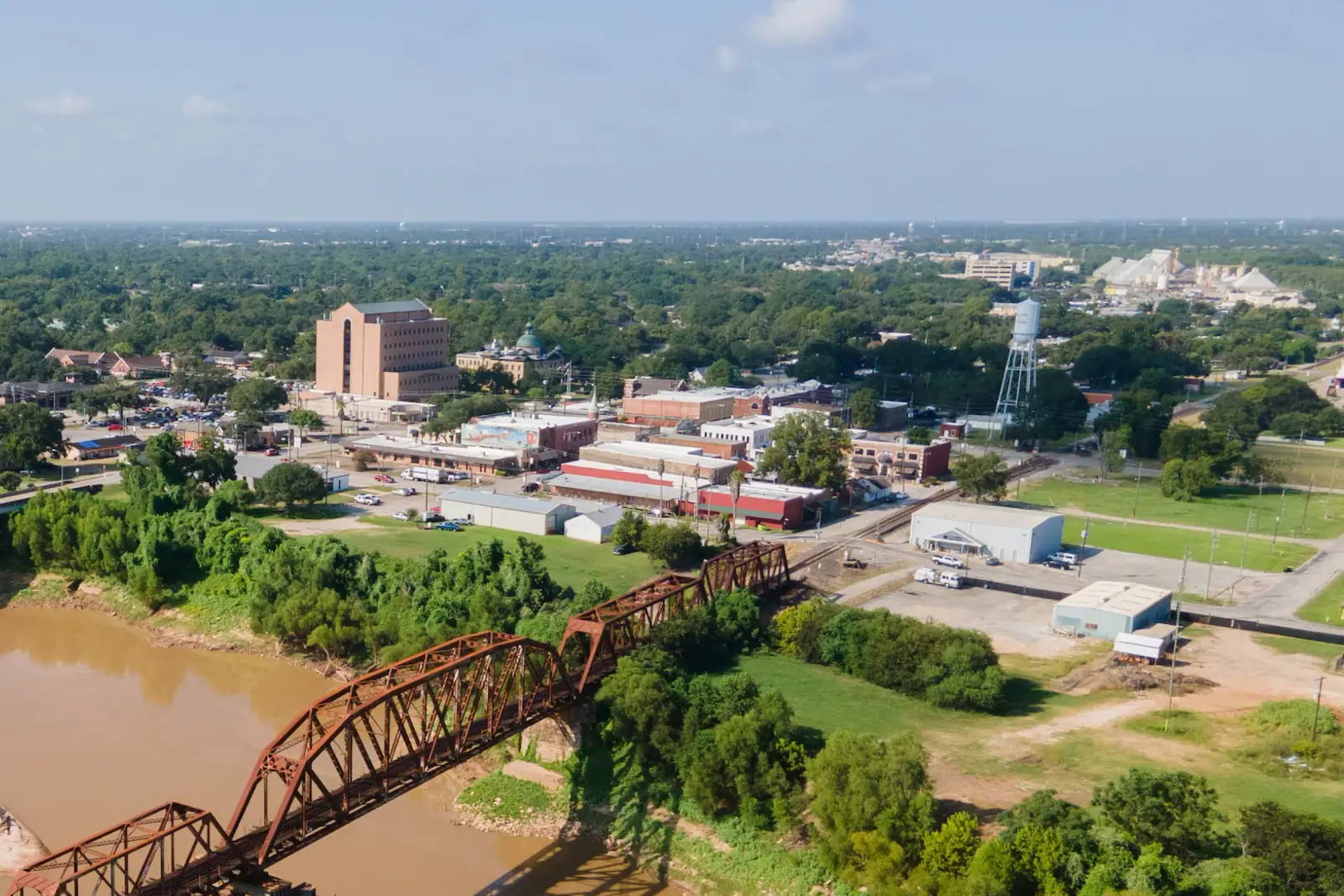
  • Richmond is one of the oldest towns in Texas, and its roofs tell that story. As the Fort Bend County seat, it carries the historic district along Morton Street and Houston Street, the courthouse, and the county and municipal buildings clustered downtown — masonry structures, many of them, with low-slope roofs tucked behind parapets and decades of repair layered on top. Then you move out toward the Grand Parkway, and Richmond becomes one of the busiest growth corridors in the region: new medical buildings, retail centers, office pads, and the flex and light-industrial space filling in along the freight rail and US-90A. We work across the whole spread, and the courthouse-square building and the brand-new corridor flat could not be more different to roof.
  • Downtown, we're usually dealing with aging built-up and modified-bitumen assemblies, tie-ins where additions met original structures generations apart, shared walls, and access tight enough that staging a job takes as much planning as doing it. The roof on a hundred-year-old building rarely fails in the field — it fails at a flashing, a parapet cap, or a transition that's been patched a dozen times. Out on the Grand Parkway, it's wide single-ply membrane over steel deck, long clean spans, rooftop HVAC, and internal drains. We scope the historic building for its layers and the corridor building for its scale.
  • Roofing the Grand Parkway Growth Corridor
  • The build-out along the Grand Parkway is the engine of Richmond's commercial roofing demand right now. Medical office, retail, restaurants, and distribution are going up across the corridor between US-59 and US-90A, and almost all of it lands as flat or low-slope membrane — the fastest, cheapest way to cover a large floor plate. These roofs look fine for years because nobody is up there until water is already coming through a tenant's ceiling. The open, still-developing land around the corridor also means wind gets a clean, unobstructed run at parapets and roof edges, which raises uplift exposure on every new flat compared to the same building sheltered in town.
  • That's where we focus first on corridor properties — edge metal, fastening patterns, and perimeter terminations — because that's where wind-driven failure begins. For the medical and retail tenants who can't afford a leak over occupied space, we lean hard on scheduled inspection and condition reporting so a roof gets managed as an asset instead of replaced in a crisis.
  • What the Fort Bend County Climate Does to a Flat Roof
  • Richmond sits on the flat coastal plain along the Brazos River, and the weather here is hard on roofs in specific ways. Tropical systems and hurricane bands reach this far inland with plenty of force, and wind uplift is the failure mode we see most on low-slope roofs — pressure gets under the membrane at a corner or edge and peels it back, and the next storm does the rest. Fort Bend County also has its own well-documented drainage and flooding challenges, which became very public during recent flood events, and a commercial roof here lives or dies by how fast it sheds water. Flat roofs don't drain on their own; they depend on internal drains, scuppers, and tapered insulation. When drains clog or slope is wrong, water ponds, adds weight, and accelerates breakdown. Every assessment we do checks the drainage, not just the membrane.
  • Hail comes through the greater Houston area most years and Richmond catches its share. It bruises a membrane in ways invisible from the ground — fracturing the mat beneath the surface so leaks appear weeks or months later. After a hailstorm we walk the roof and mark impacts so an owner has a clear, dated record of what happened, which matters a great deal at claim time. And the heat grinds on every flat roof through the long summer: surface temperatures far above the air, plasticizers cooking out of older membranes, seams that were watertight in spring opening up by late summer.

Choosing the Right System for a Richmond Building

We don't push one roof for every building. On the Grand Parkway flats — medical, retail, distribution — a reflective single-ply like TPO or PVC earns its keep by throwing back summer sun and easing the load on rooftop HVAC. For restaurants and any building with kitchen exhaust or chemical exposure, PVC's weld strength and chemical resistance usually win out over time. For the older masonry downtown and the industrial stock along the rail, a modified-bitumen or built-up assembly with the right cap sheet frequently outlasts a thin single-ply that gets walked and abused, and on historic buildings a careful restoration is often smarter than a tear-off. We match the system to how the building is used, the existing deck and slope, and the warranty the owner needs to hold. Services for Richmond Commercial Properties

Schedule a roof review
Commercial Roofing in Richmond, TX
Downtown Houston commercial rooftops

Flat and low-slope roof replacement using TPO, PVC, modified bitumen, and built-up systems

Leak detection and targeted repair, including drain, scupper, parapet, and transition flashing work

Roof coatings and restoration to extend the service life of aging but sound roofs, including historic-district buildings

Houston Energy Corridor commercial buildings

Preventive maintenance programs with scheduled inspections and drainage checks for corridor medical and retail tenants

Storm and hail damage assessment with documentation built for insurance claims

Sheet metal, flashing repair, and edge metal replacement

Roof planning notes

How We Work With Richmond Owners and Managers

Talk with a Houston commercial roofing team

Built for Storm Season

Much of our Richmond work is for people who manage buildings rather than occupy them, and for the county and municipal facilities downtown. That shapes how we operate. We schedule around tenants and around business hours, keep disruption contained, and give a clear written scope so there are no surprises on the invoice. When a roof has years left, we say so and recommend maintenance instead of pushing a replacement. When it's genuinely at the end, we lay out the options plainly — what each system costs to install and what it costs to keep running. For the historic downtown buildings, where budgets are leaner and access is tight, the right move is often a phased repair rather than a full tear-off, and we'll tell you honestly how many more seasons a roof has in it. From June through November, hurricane season is on every Richmond owner's mind, and it should be. The roofs that hold are the ones detailed correctly and inspected ahead of time. We help owners get ahead of it — checking fastening, sealing vulnerable edges, clearing drains so the next heavy rain has somewhere to go — and we move fast on emergency tarping and stabilization after a system rolls through. Whether you manage a new medical building on the Grand Parkway, a retail center along US-59, or a century-old building near the courthouse, we can tell you exactly where your roof stands and what it needs next. Reach out for an on-site assessment of your commercial property.

Talk with a Houston commercial roofing team

Call 713-388-6346 or email info@commercialroofingcontractorshouston.com for help with commercial roofing in richmond, tx in Greater Houston. Related Houston roofing paths