
Identify the assembly and map every penetration before recommending a scope
Pay special attention to kitchen-exhaust curbs and HVAC flashings on food-service roofs Plan medical-building work around occupancy, noise, and cleanliness requirements
For commercial properties in Memorial, TX, the defensible choice between repair, restoration, and replacement starts with roof-system condition, moisture findings, drainage performance, and remaining service life. Schedule a Roof Review
Roof areas crowded with HVAC units, kitchen exhaust, and screened mechanical equipment Plaza and amenity decks over occupied space in the newer mixed-use projects That last category matters more here than in most Houston neighborhoods. CityCentre-style construction puts roofs and decks directly over restaurants and retail, which means a roof problem is also a tenant problem, and the diagnosis has to be careful before anyone opens anything up.
Schedule a roof review

A lot of Memorial's roof area sits over space that cannot tolerate disruption. Medical offices near the Memorial City hospital campus have patients, equipment, and infection-control concerns directly below the deck, and the restaurants in CityCentre and along Memorial Drive run grease-laden kitchen exhaust through their roofs that complicates flashing and accelerates membrane wear around those penetrations.
We treat both with the caution they deserve. For medical buildings, that means controlling debris, noise, and odor, and scheduling work so it does not collide with the building's operations. For food-service roofs, it means understanding how kitchen exhaust has affected the membrane around the hoods and curbs, because that is almost always where these roofs fail first. Getting the diagnosis right is the difference between a targeted repair and tearing into a roof that did not need it.
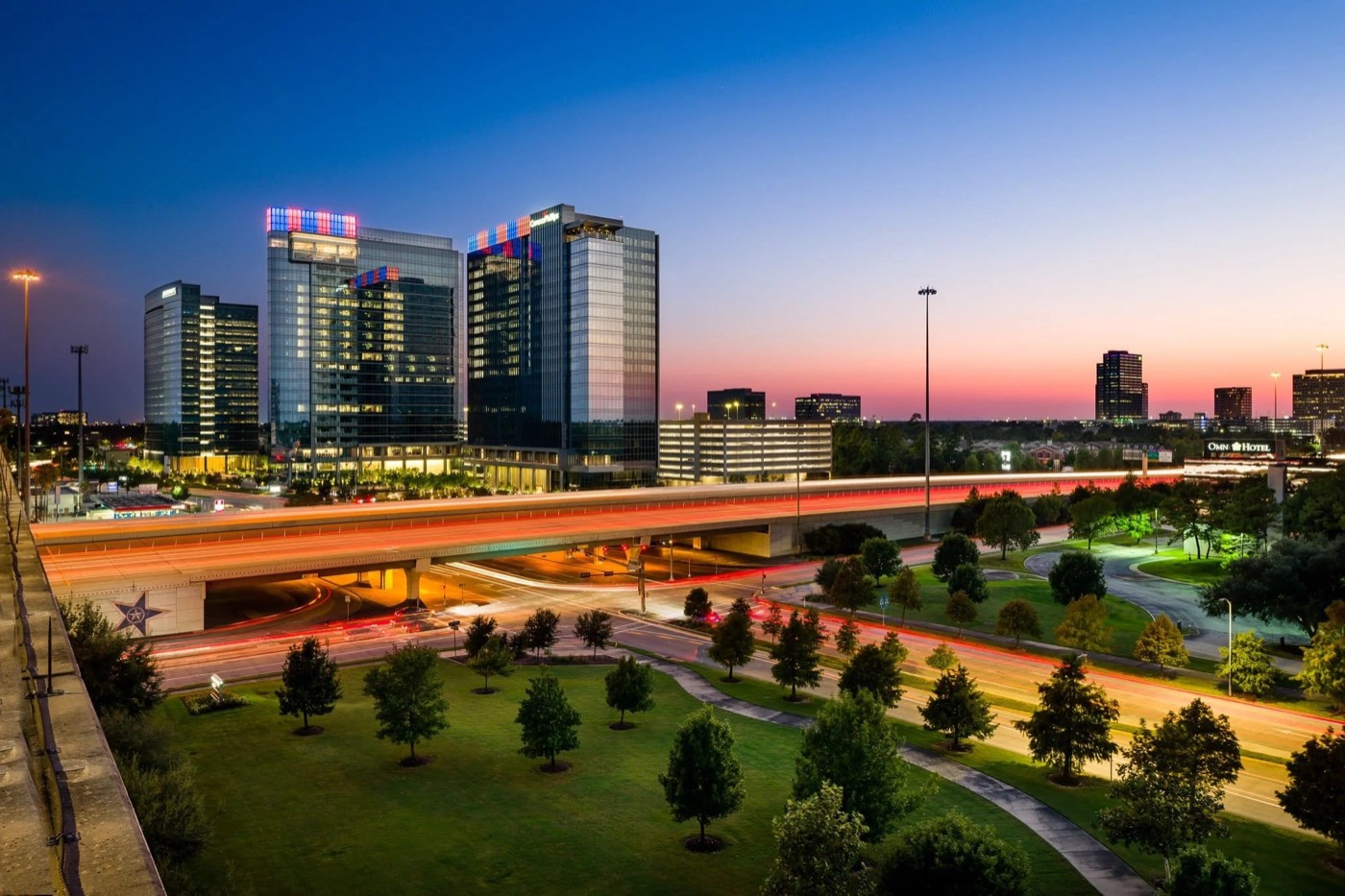
Memorial gets the same hard Houston weather as the rest of the region, and on these particular buildings it shows up in specific ways. Hurricane season puts wind uplift pressure on every roof edge and parapet, and the taller buildings around Memorial City catch real wind during a named storm. The newer mixed-use roofs at CityCentre, with their equipment, screens, and amenity features, give wind more to grab and more places for flashing to lift, so perimeter and penetration detailing carry a lot of the load.
Then there is the heat. White single-ply roofs are common here for a reason, but even a reflective membrane bakes through Houston summers, and the constant UV exposure dries out sealants and ages flashings whether the roof is new or twenty years old. Hail comes through the west side hard enough to bruise membranes in storms that do not produce an immediate leak. And the heavy rain this region is famous for means drainage is never an afterthought. On a flat retail or office roof in Memorial, a slow drain or a ponding low spot turns an ordinary downpour into water sitting on the membrane for hours, which is exactly how small problems become expensive ones.
Roof planning notes
Pay special attention to kitchen-exhaust curbs and HVAC flashings on food-service roofs Plan medical-building work around occupancy, noise, and cleanliness requirements
Verify drains, scuppers, and slope so heavy rain leaves the roof instead of pooling Talk with a Houston commercial roofing team