

Skip to content

Commercial Roofing in Deer Park, TX

Schedule a Roof Review

  • Roofing a city ringed by tank farms and refineries
  • Deer Park is a small, incorporated city that lives inside one of the densest concentrations of petrochemical industry in the country. The Shell Deer Park complex anchors the southern edge, the Intercontinental Terminals tank farms sit nearby along the Houston Ship Channel, and process plants, chemical facilities, and storage operations press in on the city from several directions. What makes Deer Park distinct from the pure-industrial towns down the channel is that it is also a real community with its own downtown, schools, retail, and neighborhoods packed in tight against all of that heavy industry. So the roofs we work on here run the full span, from process buildings inside plant fence lines to the strip centers and offices along Center Street and Highway 225 that serve the people who work in them.
  • That mix shows up in the work. A roof over a refinery support building and a roof over a Center Street medical office sit a few miles apart but live completely different lives, and we scope each for what it actually is rather than forcing both into the same plan.
  • The tank-farm environment, up close
  • Deer Park learned the hard way how much the surrounding industry matters. The ITC tank-farm fire in 2019 burned for days and put a haze over the whole area, and residents here do not need a reminder that they live next to enormous volumes of stored hydrocarbons. For a roofing contractor, the tank farms and process plants change what a roof has to survive. Buildings near the channel and the storage terminals take chemical fallout, process exhaust, and hydrocarbon residue that settle onto the membrane and degrade certain materials over time. Asphalt systems can dry and embrittle. Some single-ply membranes resist particular chemical families well and others poorly, and the wrong choice on an industrial building near the terminals shows up two or three years later as premature cracking and seam failure.
  • On top of the chemical exposure, plant and storage-area roofs see heavy foot traffic from operators, maintenance crews, and contractors, plus the loading and abrasion that come with rooftop equipment and piping. That traffic wears a membrane out faster than weather alone ever would. When we recommend a system for a building inside or near the Deer Park industrial corridor, we factor in what is actually landing on and moving across that roof.
  • The building stock we see most
  • Deer Park's commercial roofs fall into a few recognizable groups, and each fails in its own way.
  • Heavy process and industrial buildings inside and around the plant and tank-farm fence lines, often carrying older built-up or modified bitumen patched many times around equipment.

Roof planning guidance

Pre-engineered metal buildings throughout the industrial areas, where panel laps and fasteners loosen under years of thermal movement. Tilt-wall and metal warehouses and distribution buildings near Highway 225 and Beltway 8, running single-ply membranes. Retail strips, restaurants, offices, and service buildings along Center Street and Spencer Highway, where smaller flat roofs hide behind parapet walls and quietly pond.

Schedule a roof review
Commercial Roofing in Deer Park, TX
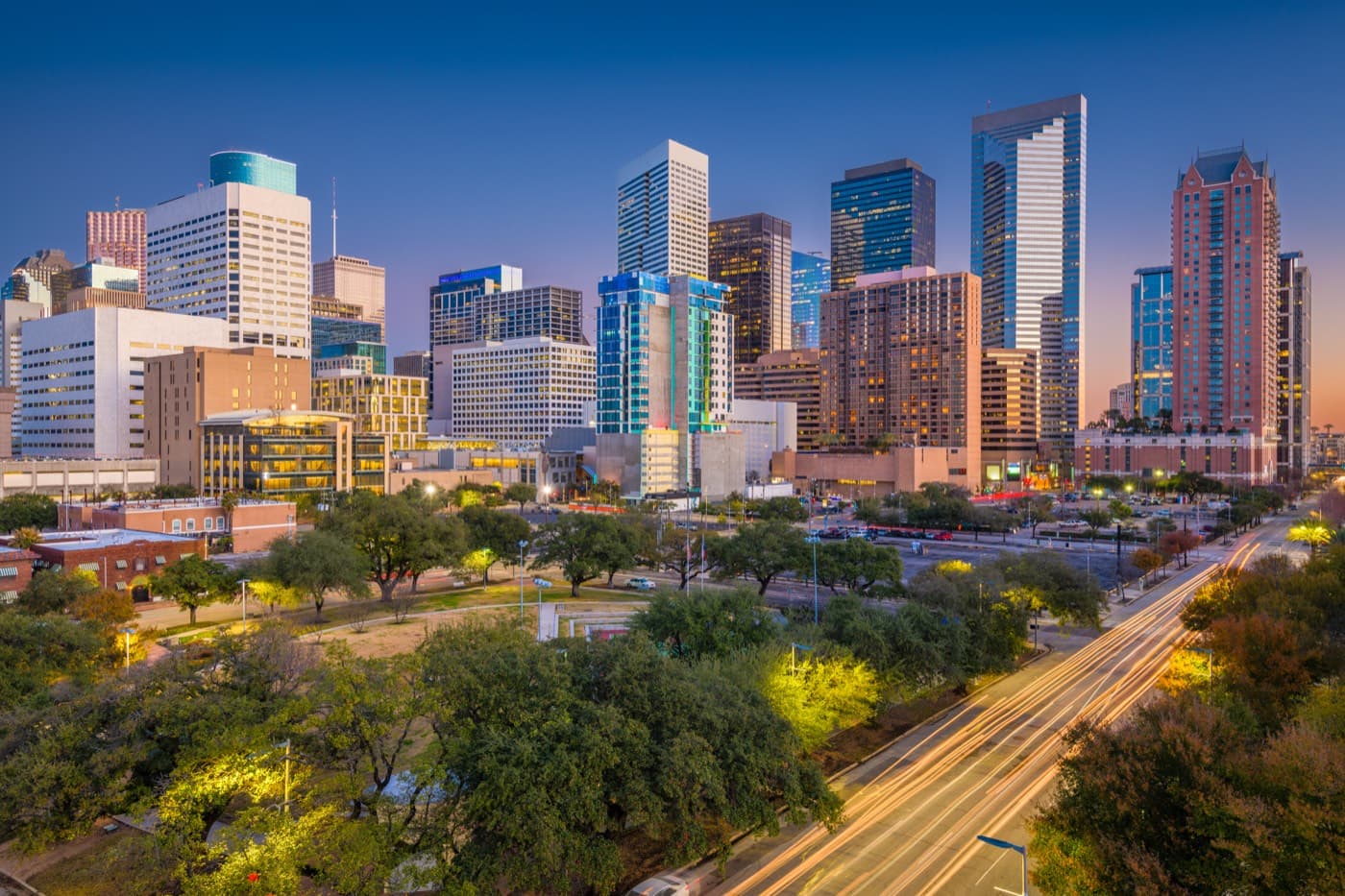
Downtown Houston commercial rooftops

The Gulf Coast weather that drives the work

Deer Park sits on the upper Texas coast in some of the harshest roofing weather in the country, and four forces drive most of the failures we see.

Heat and UV. Long, brutal summers push membrane surface temperatures far above the air temperature for months at a time. Asphalt systems dry and embrittle, plastics get brittle, and adhesives are stressed day after day. Heat is the slow killer of a flat roof here.

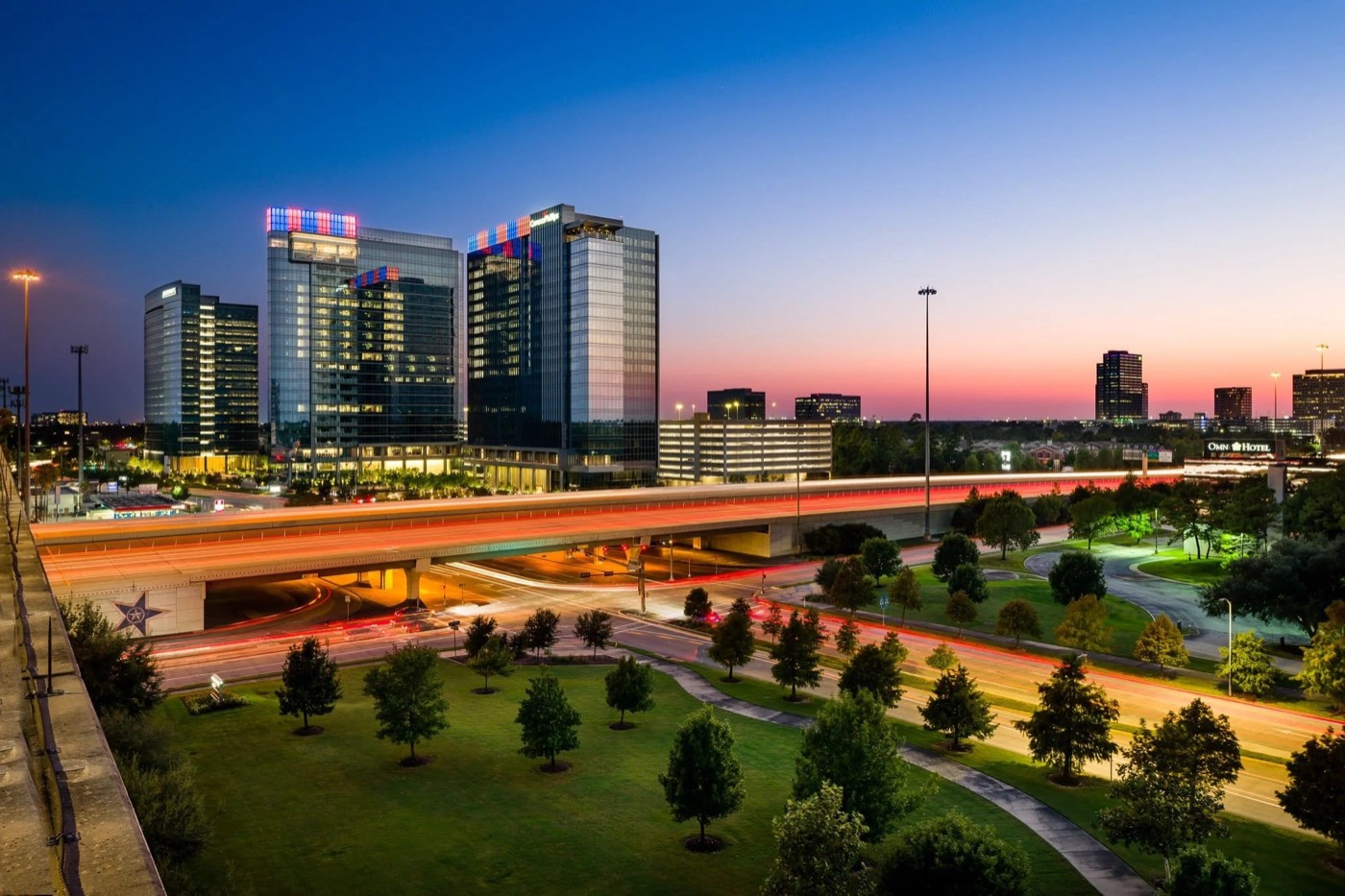
Houston Energy Corridor commercial buildings

Wind and hurricanes. This is hurricane country, and Deer Park's position near Galveston Bay and the open Gulf makes wind uplift a real design concern. Hurricane Ike came ashore on this stretch of coast, and storm seasons since have reinforced the lesson. On wide, exposed roofs near the channel, edge metal, fastening patterns, and parapet detailing are what keep a roof attached when the wind gets serious.

Hail. Severe spring storms bring hail that bruises membranes, cracks aging built-up surfaces, and dents metal panels and rooftop units. Hail damage often hides for months before it shows up as a leak, and many of the claims we work here trace back to a single hard storm.

Heavy rain and drainage. When a Gulf system stalls over southeast Harris County, rainfall totals climb fast, and the flat terrain gives that water nowhere easy to go. A flat roof has to shed enormous volumes quickly, and when it cannot, ponding adds load, degrades the membrane, and finds every weak seam.

Roof planning notes

Drainage is the issue under most leaks

Talk with a Houston commercial roofing team

What we provide for Deer Park owners and facilities

On most flat roofs we walk in Deer Park, drainage is the root cause hiding behind the symptom. We map the low spots, check whether existing drains and scuppers are actually carrying water, and read the staining and membrane breakdown that mark chronic ponding. On a large industrial or warehouse roof, fixing drainage with tapered insulation or added drainage points often extends the roof's life more than any membrane upgrade would. We would rather correct why water is sitting on the roof than keep repairing the damage it leaves behind, especially with the rainfall this region throws at a roof. We cover the full range of commercial flat and low-slope roofing for building owners, plant facilities, and property managers across Deer Park.

Leak investigation and repair that traces water to its real entry point rather than the ceiling stain.

Roof condition inspections and written reports for budgeting, capital planning, and post-storm documentation. Talk with a Houston commercial roofing team