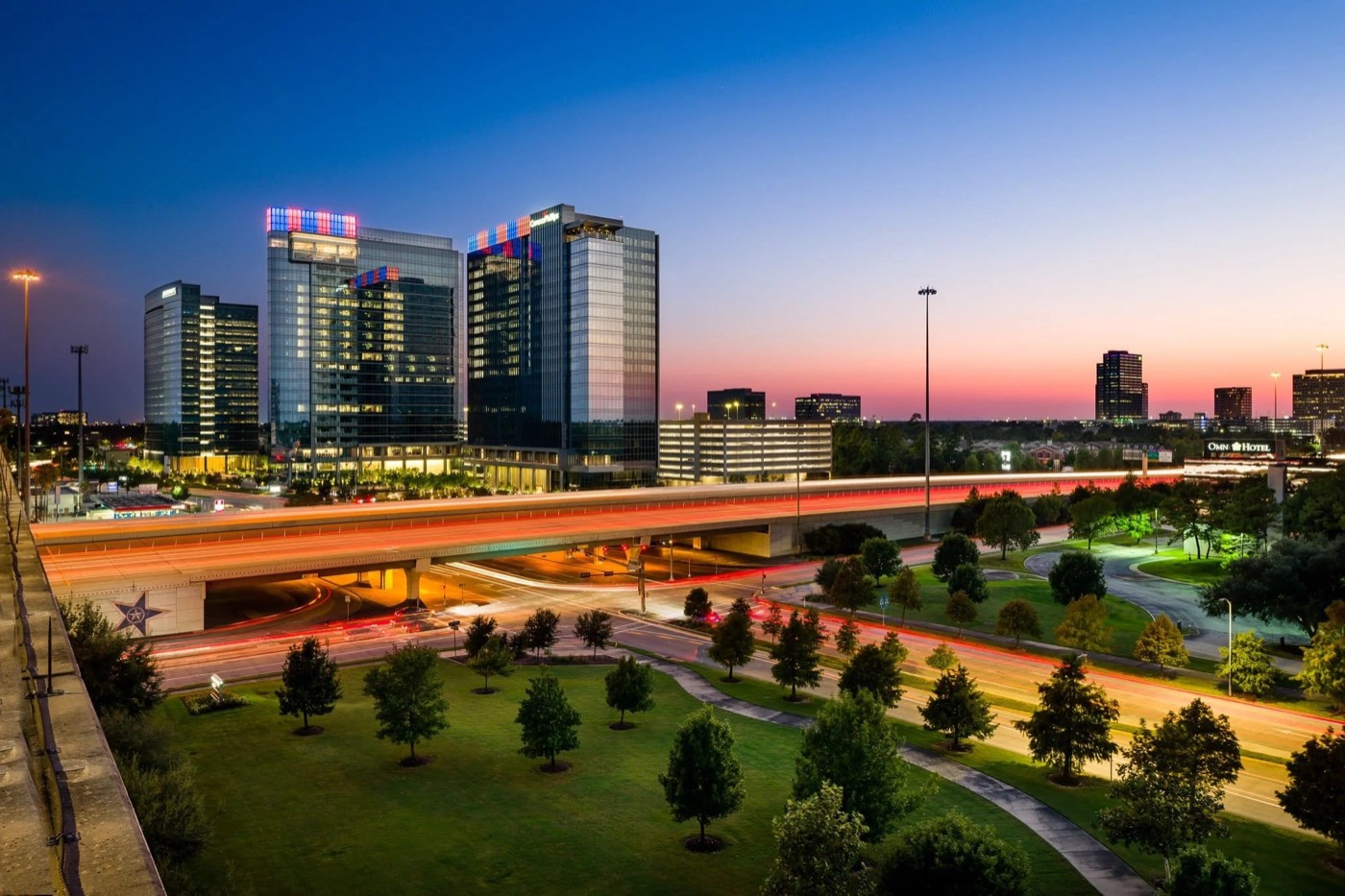
Commercial roofing in Cypress, TX should begin with a documented assessment of membrane condition, seams, flashings, drainage, penetrations, and moisture before repair, coating, or replacement is selected. Schedule a Roof Review
- Roofing the Fastest-Growing Stretch of Northwest Harris County
- Cypress has gone from rural northwest county to one of the busiest growth corridors in the Houston metro in a single generation, and the building stock shows it. Master-planned communities like Bridgeland and Towne Lake brought waves of new retail, medical, dental, and office construction along the US-. Most of it is recent - meaning a lot of Cypress commercial roofs are now hitting the age where the original membrane and the original installation quality start to matter. We work this whole stretch, from the strip centers and medical plazas near the 290 frontage to the standalone offices and light-industrial buildings tucked into the newer business parks.
- Because so much of Cypress was built in the same building boom, the roofs are fairly consistent: single-ply membrane - heavy on TPO - over steel deck, wide and flat, broken up by packaged HVAC units and internal drains. That consistency cuts both ways. It means we know these systems cold, and it also means an entire class of buildings tends to develop the same problems at the same time as they age. Seam separation, fastener back-out, and field punctures around equipment are showing up across roofs that all went on within a few years of each other.
- The Gulf Coast Climate Cypress Owners Underestimate
- New construction can lull an owner into thinking the roof is a non-issue for a decade. Out here that's a mistake, because Cypress sits squarely in the path of the weather that wrecks flat roofs. Hail is the headline. The open prairie to the northwest gives spring storm cells room to build, and Cypress catches some of the harder hail in the metro. On a young TPO roof, hail doesn't always rupture the membrane outright - it bruises the insulation and fractures the sheet just enough to start leaks that surface months later, long after the storm everyone's forgotten about.
- Wind uplift is the second problem, and the flat, exposed sites along 290 and the open edges of the newer developments give wind a clean shot at roof perimeters. Hurricane and tropical-storm bands reach this far inland with real force, and a perimeter detail that wasn't fastened to spec is exactly where a roof starts to come apart. Add the relentless Houston heat and UV that cooks membranes faster than the brochure ever promised, plus the heavy rain dumped on flat roofs with limited slope, and even a five-year-old roof can need attention sooner than its owner expects.
- The Warranty Trap on Cypress Buildings
- A lot of the trouble we find in Cypress traces back to the original construction pace. When this corridor was going up fast, roofs went on fast too, and the gap between a roof that was installed to manufacturer spec and one that was merely installed is enormous - but it stays invisible until a storm or the warranty clock exposes it. We see no-charge manufacturer warranties that were quietly voided by sloppy detailing at the curbs and edges, fasteners set short or in the wrong pattern, and seams that were never properly probe-tested. Owners often don't learn any of this until they call us about a leak and we pull back the membrane. For buildings hitting eight, ten, or twelve years, an honest condition inspection now is the single best money an owner can spend - it's the difference between extending a sound roof with a recover and being forced into a full tear-off after the deck gets wet.
- When a roof is still structurally solid but the surface is worn, a recover system laid over the existing assembly can buy a Cypress building many more years at a fraction of replacement cost and with far less disruption to the tenants below. When the insulation is already saturated or the deck is compromised, a recover is just hiding the problem, and we'll say so. Knowing which situation you're actually in is the whole game.