
Skip to content

Roofing for Houston self-storage operators: multi-building low-slope roofs, drive-up canopies, climate-controlled facilities, leak control across large square footage.

Schedule a Roof Review

  • Roofing fit to how self-storage facilities actually run
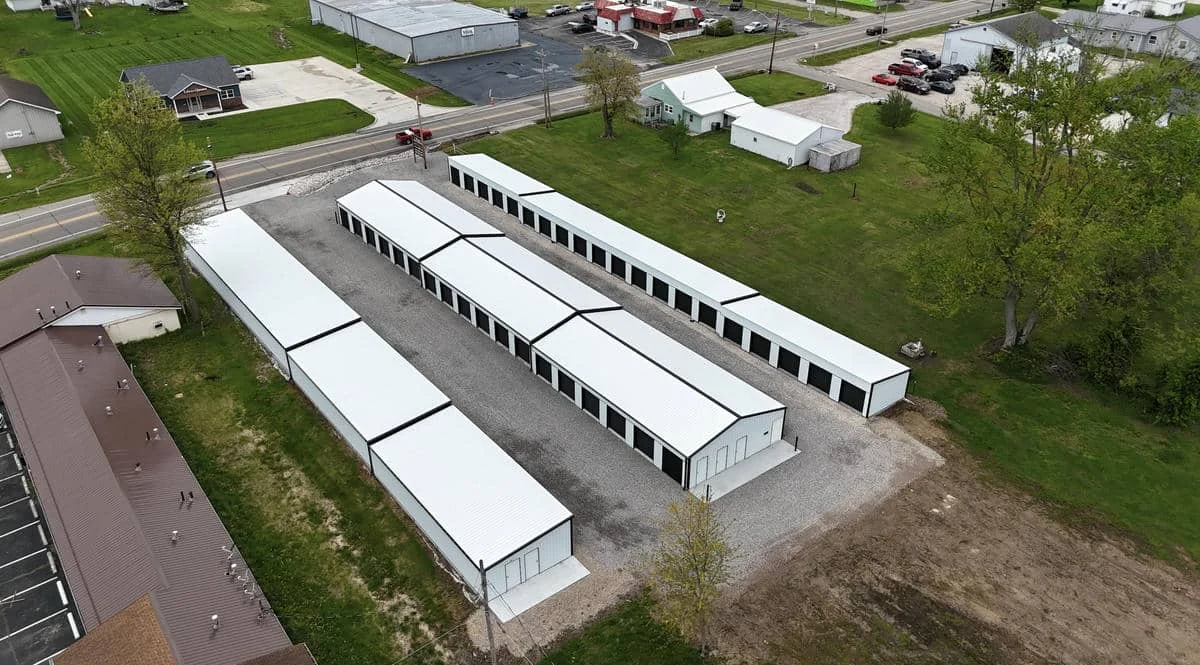
  • A self-storage property is not one roof. It is a portfolio of roofs sitting on a single parcel: a row of single-story drive-up buildings, a multi-story climate-controlled structure, an office, and often a string of canopies over the drive aisles. We work with self-storage operators across Greater Houston and Harris County who need every one of those surfaces watertight, because a leak over is a tenant claim and a leak over a hallway is a slip hazard that the front desk has to manage all day.
  • The economics of storage make roofing decisions different from a typical office building. Square footage is enormous relative to the rent each unit generates, so an operator cannot absorb a full tear-off the way a Class A landlord in the Galleria can. Our job is to keep the roofs you have running, document their condition honestly, and reroof on a schedule that the property's cash flow can actually carry.
  • The buildings on a Houston storage site, one roof type at a time
  • Drive-up single-story buildings
  • These are the long, low metal or low-slope structures with roll-up doors on both sides. Most were built with metal panel roofs or a thin membrane, and after fifteen Gulf Coast summers the fasteners back out, the panel seams open, and the sealant at the eaves turns brittle. We see water track along the underside of metal panels and drip several units away from the actual entry point, which is why a tenant in a dry unit and a tenant with a soaked mattress can be standing under the same leak. We trace water to the source rather than caulking the spot where it lands.
  • Multi-story climate-controlled buildings
  • The climate-controlled buildings are the ones that hurt most when a roof fails, because the whole selling point is a dry, temperature-stable environment. These are large-footprint flat or low-slope roofs carrying rooftop HVAC, and the interior has no daylight, so a small membrane breach can saturate ceiling tile and insulation for weeks before anyone upstairs notices a stain. We favor reflective single-ply membranes here to cut the cooling load that climate control demands through a Houston summer, and we keep the HVAC penetrations and condensate lines flashed and clear.
  • Canopies over the drive aisles

Roof planning guidance

The canopies between buildings take wind that the main roofs are partly shielded from, and during hurricane season the uplift on those open, edge-exposed structures is severe. We check canopy attachment, edge metal, and the connection back to the building wall, because a canopy panel that peels off in a storm becomes airborne and can damage the roofs and roll-up doors around it. Leak management across a lot of roof for the money Storage operators run on thin per-square-foot margins, so the smart move is rarely "replace everything." We build a roof-by-roof condition map of the site that tells you which buildings are sound, which need targeted repair, and which are genuinely at end of life. That lets you spend on the buildings that are leaking and defer the ones that are not, instead of writing one large check that the property cannot justify.

Schedule a roof review
Commercial Roofing for Self-Storage Operators | Houston, TX
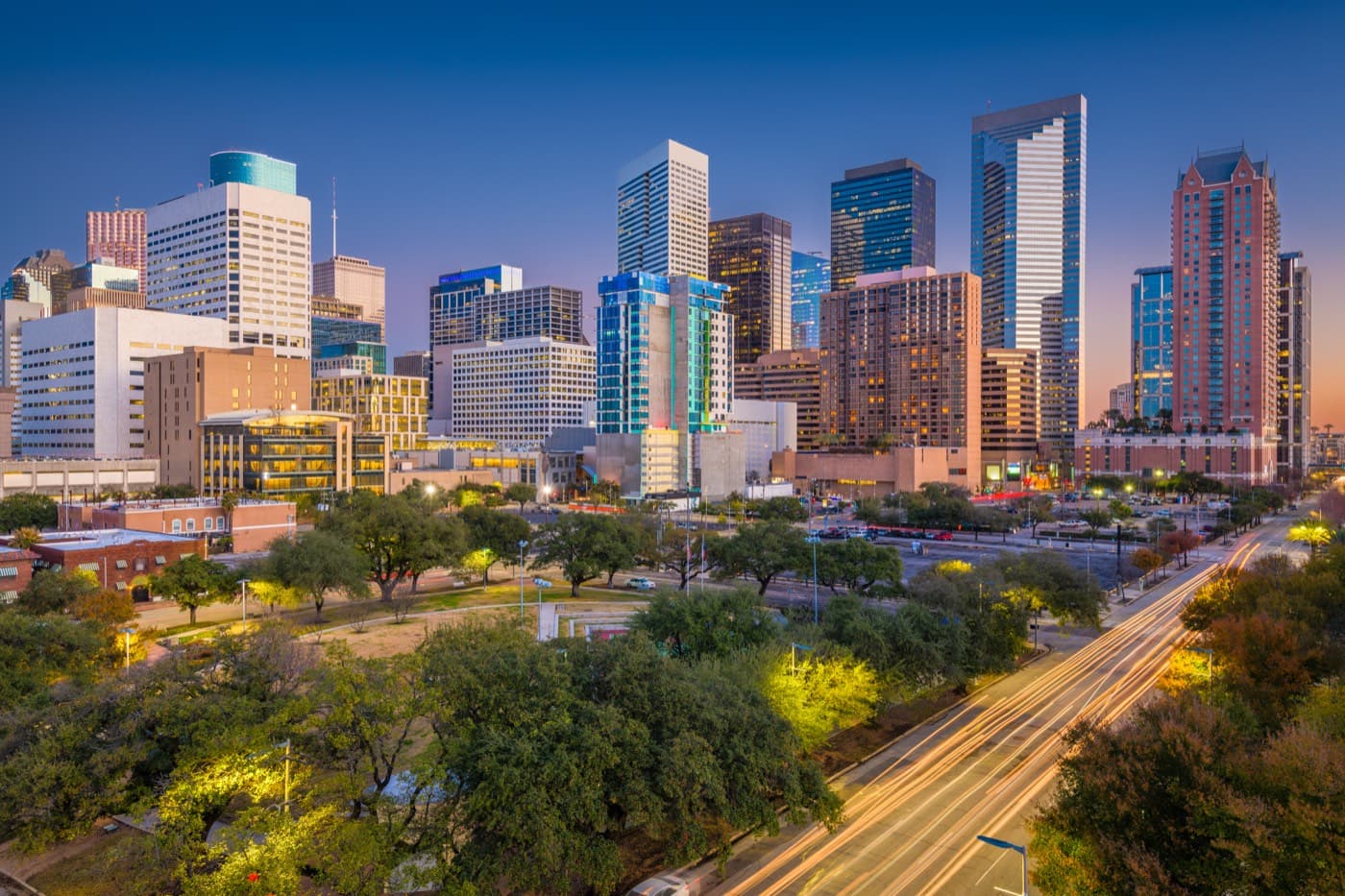
Downtown Houston commercial rooftops

Locate and repair active leaks by building and, where possible, by unit row

Reseal and refasten metal panel roofs on aging drive-up structures

Patch and recoat membrane roofs on climate-controlled buildings to extend service life

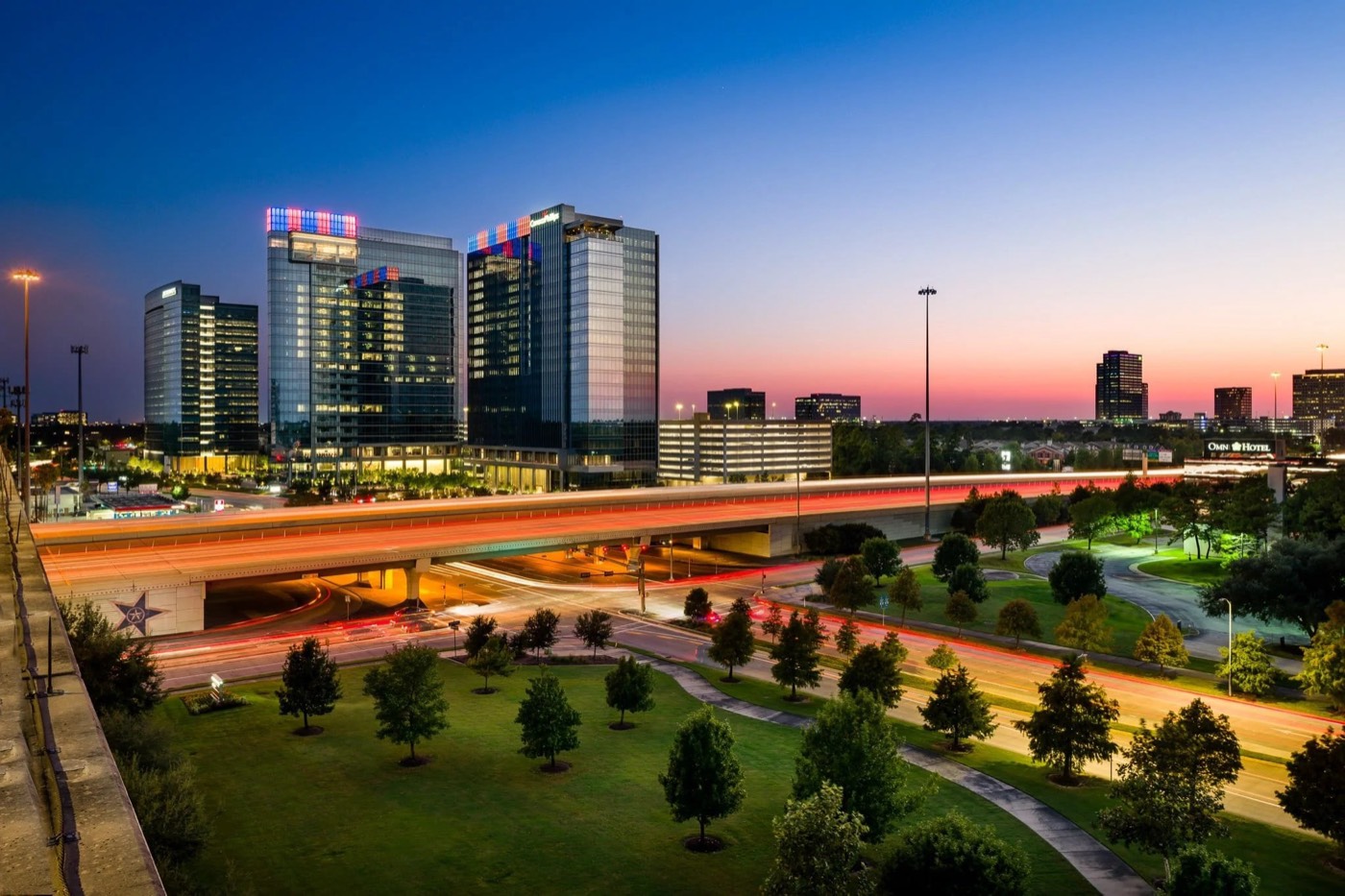
Houston Energy Corridor commercial buildings

Restore edge metal, drip edges, and gutter lines so water leaves the roof instead of the wall

Re-flash HVAC curbs, vents, and condensate penetrations on the climate buildings

Why Houston is hard on storage roofs specifically

Roof planning notes

Roof Scope Notes

Talk with a Houston commercial roofing team

Hurricane season is the event risk. Harvey in 2017 showed how much standing water a storage site can take on, and high-wind events test the canopies and the edges of the long drive-up buildings the hardest. We look at how a site will fail before it fails, so the weak edge gets fastened down before the storm and not after.

Then there is water volume. Houston gets sudden, heavy downpours, and a storage site is mostly roof and pavement, so a huge amount of rain has to move off the buildings and across the lot to the Harris County drainage system fast. When internal drains or scuppers on a climate building clog, water ponds on a roof that was never meant to hold a load, and ponding accelerates membrane failure right over occupied units. Drainage and ponding are things we check on every visit, not just after a complaint.

Keeping tenants dry while the work happens

Many operators run several Houston-area facilities, and a leak at one site does not wait politely for a leak at another. We can carry condition records across multiple properties so you are looking at one consistent picture of every roof you own, scheduling reroofs in the order that risk and budget dictate. For operators acquiring an existing facility, we inspect the roofs before close so you know whether you are buying a sound asset or a deferred-maintenance bill that the prior owner painted over. Talk with a Houston commercial roofing team