

Skip to content

Commercial roofing for Houston logistics and 3PL operators: large low-slope warehouse and distribution roofs, phased reroofs, and storm response that keeps freight moving.

Schedule a Roof Review

  • Roofing for Houston logistics and third-party logistics operators
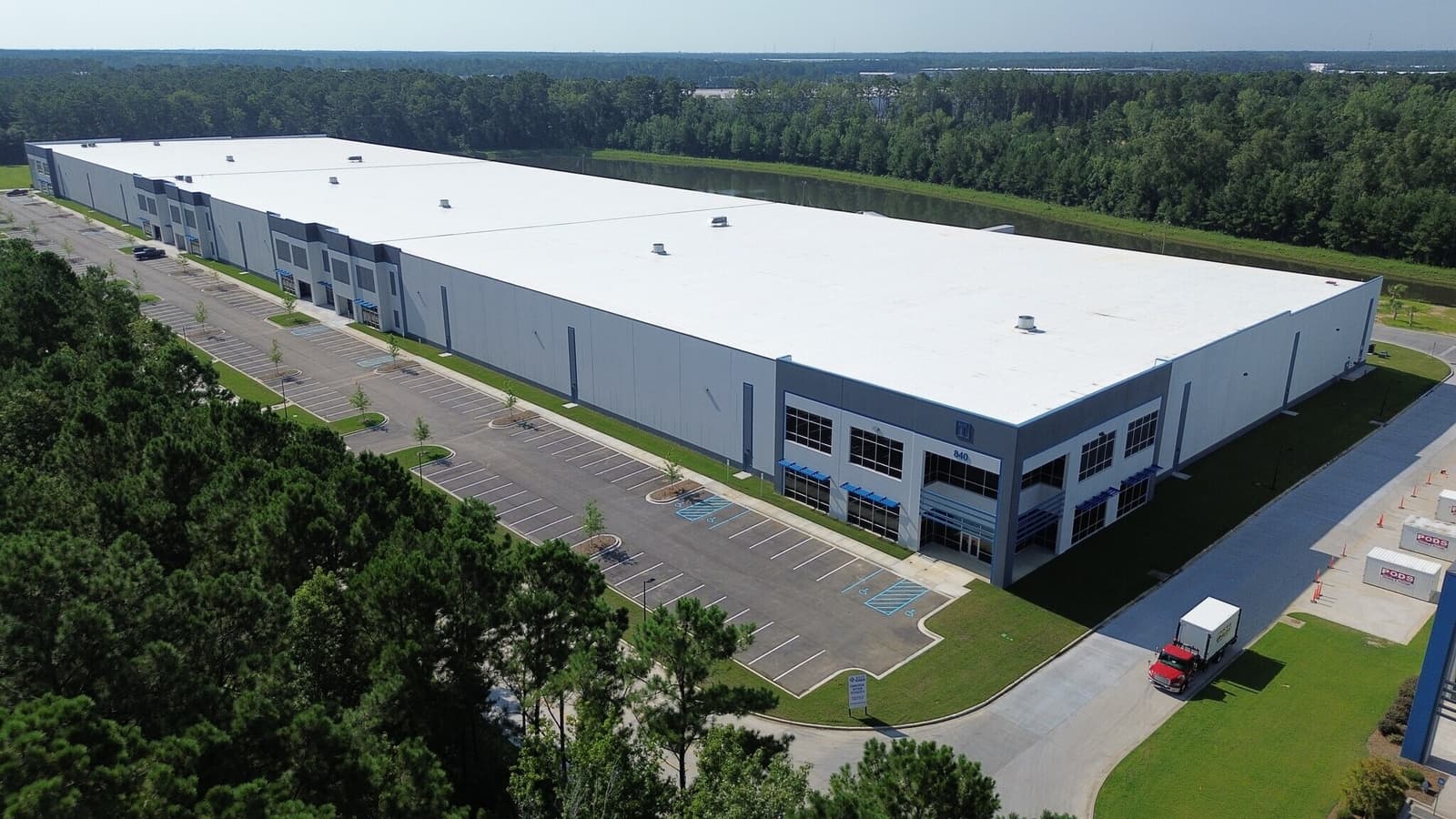
  • Distribution and 3PL space sits at the center of how goods move through the Gulf Coast, and the roof over a cross-dock or fulfillment building is one of the largest single assets a logistics operator carries. We work with warehouse owners and 3PL tenants across the Houston metro — from the Northwest submarket along Beltway 8, to the East End and Pasadena corridors feeding the Port of Houston, to the big-box parks off the Grand Parkway in Katy and Cypress. These are wide, flat, low-slope roofs measured in hundreds of thousands of square feet, and they have to stay watertight while racking, conveyors, and inbound trailers run underneath without pause.
  • The operating reality drives every decision we make. A 3PL building rarely empties out for roof work. Pick-and-pack lines, refrigerated docks, and SLA-bound outbound windows mean we plan around live operations, sequence work over occupied bays, and protect product below from any open tear-off. What a logistics client needs from a roof is not a single heroic install — it is decades of dry, uninterrupted floor space.
  • Why distribution roofs in Houston fail early
  • The combination of roof size and Gulf Coast weather is what shortens roof life on local warehouses. A few patterns show up again and again on the buildings we inspect:
  • Ponding over long, shallow spans. Big-box roofs are built nearly dead flat, and decades of deck deflection between bar joists create low spots that hold water for days after Houston's heavy rains. Standing water accelerates membrane breakdown and overloads the deck.
  • Heat and UV on dark or aging membrane. Intense summer sun bakes a low-slope roof daily. Aged or non-reflective membranes get brittle, seams shrink, and surface temperatures push interior cooling loads higher across a building that may already be climate-controlled for stored goods.
  • Wind uplift during hurricane season. A warehouse roof presents an enormous surface to tropical storm and hurricane winds off the Gulf. Perimeter and corner zones take the highest uplift, and under-fastened or aged attachment is where failures start.
  • Drainage that can't keep up. When a slow-moving storm dumps rain the way Harvey did in 2017, internal drains and scuppers that are undersized or partly blocked back water up onto the field of the roof and into the building.

Roof planning guidance

Hundreds of penetrations. RTUs, exhaust fans, refrigeration lines, and conduit racks each create a flashing detail that can leak. Across a roof this size, the number of details is the risk. Roof systems we install on warehouse and distribution buildings For large low-slope roofs in this climate we lean toward reflective single-ply and, where it fits the building, fluid-applied coatings:

Schedule a roof review
Logistics & 3PL Warehouse Roofing | Houston, TX Commercial Roofers
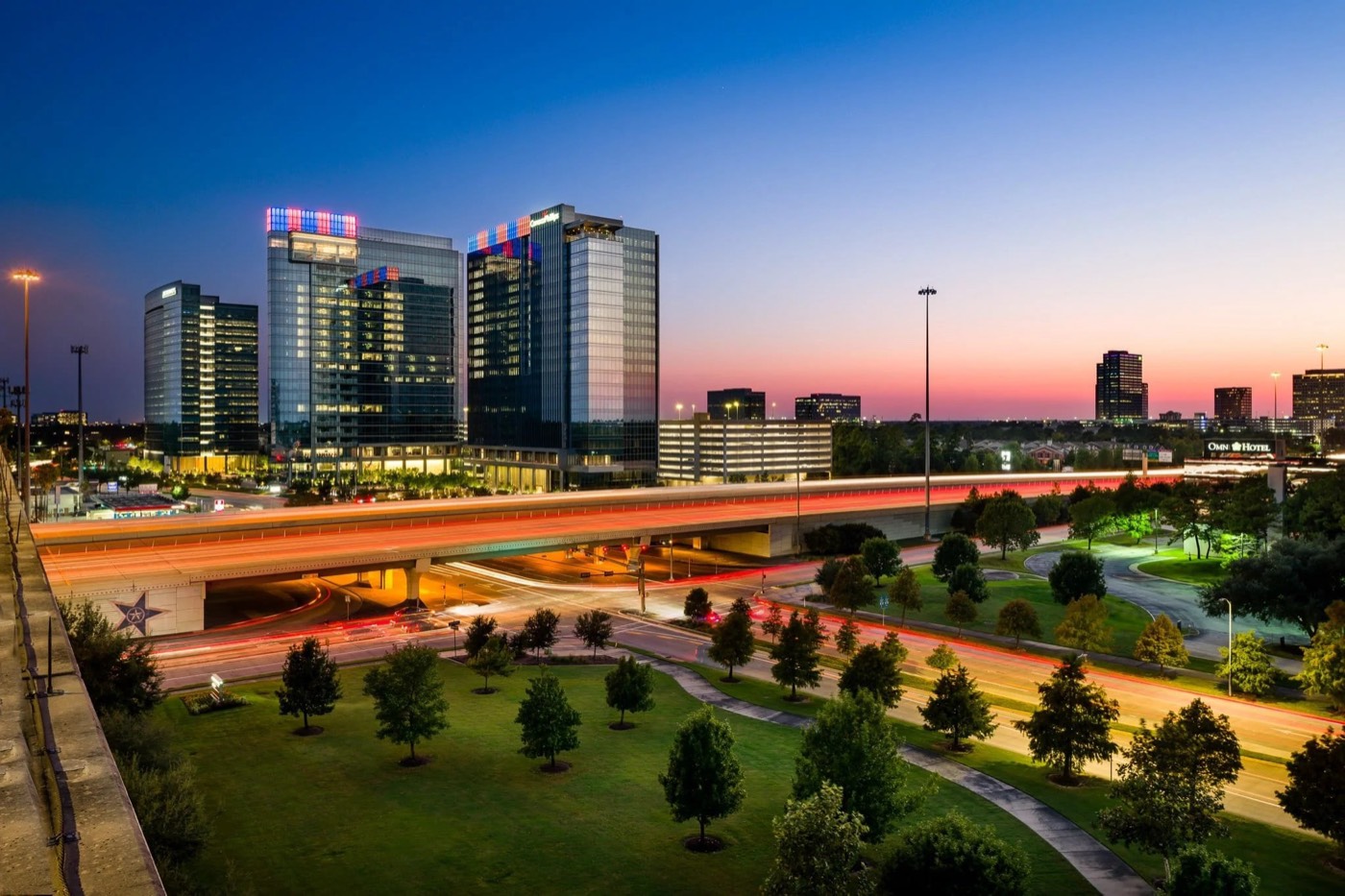
Downtown Houston commercial rooftops

TPO and reflective single-ply

Thermoplastic single-ply in a white reflective finish is a strong default for Houston distribution roofs. Hot-air-welded seams give a continuous, monolithic surface across a big field, and the reflective top sheet pushes down rooftop temperatures and cooling demand. We spec membrane thickness and attachment — mechanically fastened or adhered — to the building's wind exposure and deck type.

Roof coatings and restoration

Houston Energy Corridor commercial buildings

When an existing membrane or modified-bitumen roof is watertight but weathering, a silicone or acrylic restoration coating can add a reflective, seamless layer and extend service life without a full tear-off. For an occupied 3PL, avoiding tear-off means avoiding the open-roof risk over stored freight, which is often the deciding factor.

Modified bitumen and built-up

On smaller office or staging sections, multi-ply modified-bitumen assemblies remain a durable, redundant choice where foot traffic and equipment service are heavy.

Roof planning notes

Phased reroofing that keeps freight moving

Talk with a Houston commercial roofing team

We also build in protection for what sits under the deck. Temporary covers, controlled tear-off zones, and tight daily dry-in keep dust and water off inventory and equipment while the project runs.

The work we do most often for logistics clients is phased reroofing — replacing a roof in mapped sections so the building never goes dark. We coordinate with operations to schedule tear-off and dry-in over specific bays, stage materials to avoid blocking dock doors and trailer lanes, and make sure every section we open is watertight before crews leave for the day. For high-throughput fulfillment buildings, we sequence around shift changes and outbound cutoffs so racking and conveyor lines below stay productive.

Roof-by-roof condition assessment and photo documentation

Many 3PL operators run multiple buildings across the metro, and a single failing roof can strand an entire site. We provide roof asset management built for portfolios: documented condition reports for each building, infrared moisture surveys to find wet insulation before it spreads, drain and seam inspections ahead of hurricane season, and a prioritized capital plan that tells you which roofs need attention now and which can be budgeted out. That turns reactive emergency spend into a schedule you can plan and fund. Talk with a Houston commercial roofing team