Skip to content

Roofing for Houston food processors and cold storage operators. Grease-resistant PVC, vapor-controlled freezer assemblies, and storm-ready drainage.

Schedule a Roof Review

  • Roofing for the People Who Run Houston's Food Supply Chain
  • The companies that process, pack, freeze, and ship food across the Houston region carry risks on the roof that most building owners never think about. For you, a leak is a contamination event, a failed sanitation audit, a recall conversation, and a production line sitting idle while the clock runs on perishable inventory. We work with food processors and cold storage operators specifically because the roof above your product is part of your food-safety program, and it has to be treated that way rather than as an afterthought handled by whoever bid lowest.
  • Our clients in this sector span a wide range. Some run protein and seafood operations tied to the Gulf, some bake or mill or bottle on multi-shift schedules, and a large group operates refrigerated and frozen warehouses feeding grocery distribution, restaurant supply, and the import-export flow moving through the Port of Houston. A single operator might hold a tortilla plant in the East End, a freezer warehouse near the Ship Channel, and a packing facility out toward Katy, each with a different roof age and a different exposure. We manage roofing across that kind of footprint so you are not chasing three separate contractors with three different standards.
  • What Makes Your Roofs Different
  • Food production puts things on a roof that ordinary commercial buildings never generate. Cooking and frying exhaust carries grease that settles on the membrane and slowly breaks down materials that were never built to sit in it. Wash-down chemicals and sanitizers find their way up through exhaust streams. Refrigeration creates enormous temperature gradients between a freezer interior and a summer rooftop. Each of these is a roofing problem with a food-safety consequence attached, and we specify materials and details around the actual exposure at each of your facilities.
  • Grease- and fat-resistant PVC membrane for plants with heavy cooking or frying exhaust
  • Reflective TPO and white membranes where the priority is cutting heat load on refrigeration
  • Vapor-controlled, heavily insulated assemblies engineered for freezer and cooler buildings
  • Spray foam and silicone restoration to renew a sound roof without a full tear-off over the line

Cold Storage and the Condensation Problem

The refrigerated and frozen operators we serve face a failure mode that has nothing to do with rain. The temperature difference between a freezer holding product below zero and a Houston rooftop sitting at 150 degrees in July drives water vapor hard into the roof assembly. If the insulation thickness and vapor control are not right for that gradient, moisture condenses inside the roof, soaks the insulation, kills its R-value, and eventually drips into the building looking exactly like a leak even though no water ever came from the sky. We have seen freezer roofs that were quietly waterlogged for years. For your cold storage buildings we design the assembly around vapor drive first, because a roof that fails from the inside is a roof that no amount of patching will fix. That same logic carries into your refrigeration economics. Every degree of solar heat a dark roof pushes into a refrigerated building is load your compressors have to remove, and they run that fight from May through October on the Gulf Coast. A bright reflective surface, whether a white PVC, a white TPO, or a silicone coating, reflects the solar gain before it reaches your equipment. On a freezer or cooler operating year-round in this climate, that reflectivity shows up directly in what you spend keeping product at temperature.

Schedule a roof review
Food Processing & Cold Storage Roofing in Houston, TX | Commercial Roofing
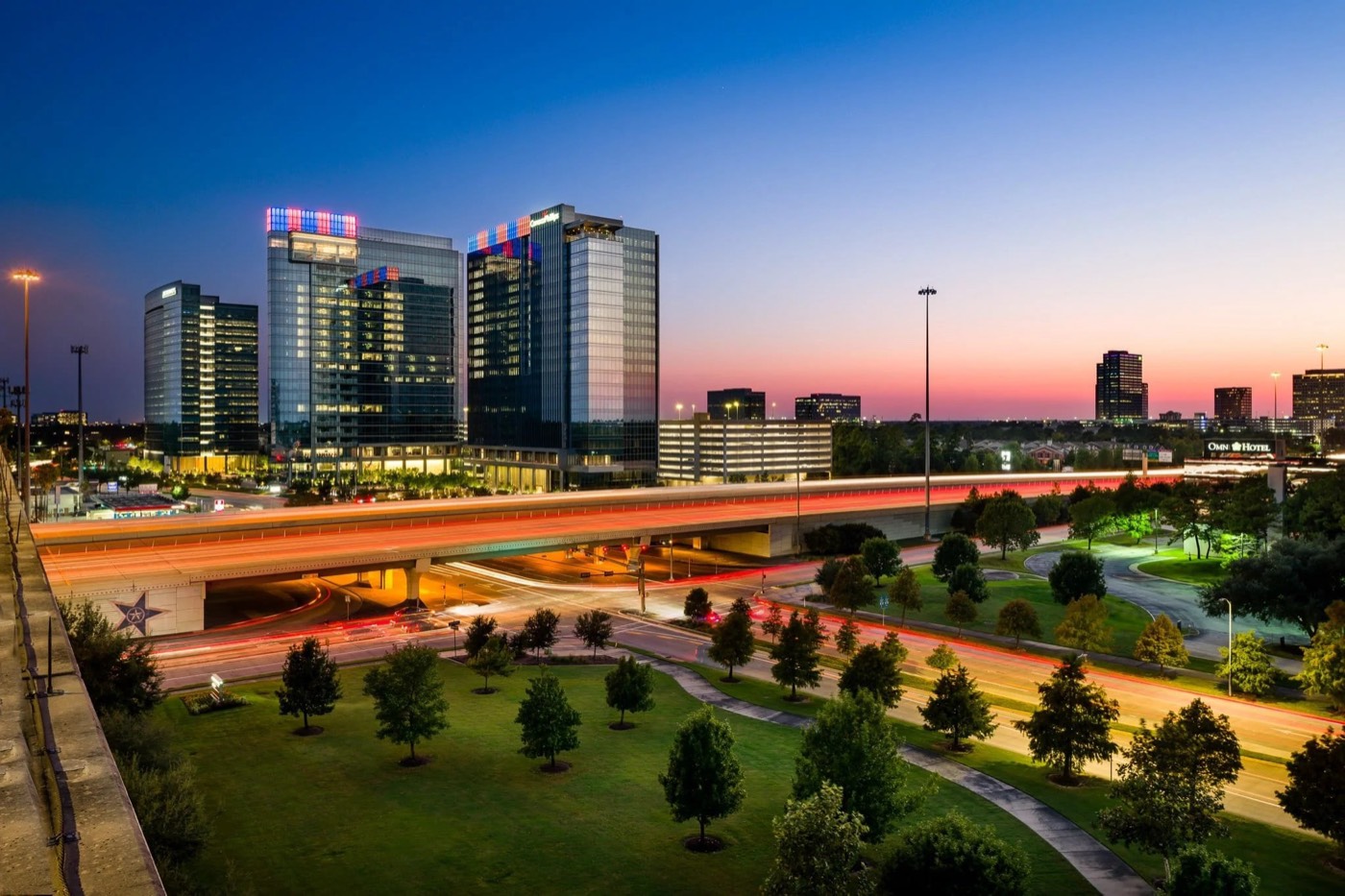
Downtown Houston commercial rooftops

Detailing the Roof for an Auditor's Eyes

The inspectors who walk your facility look at roof transitions, penetrations, and standing water with the same scrutiny they apply to the production floor. A food plant roof is dense with penetrations, exhaust fans, makeup air units, condensers, refrigeration lines, and process piping, and every one of them is a potential water entry and a potential harbor for pests and debris if it is flashed sloppily. We detail these to shed water cleanly and to avoid the ledges and open gaps where contamination collects. Ponding water gets particular attention, because standing water on a food facility grows the biological activity a sanitation program cannot allow. Where your roof holds water, we correct the slope with tapered insulation and get the surface draining instead of holding green pools by late summer.

Storm Season With Product on the Line

Houston Energy Corridor commercial buildings

Hurricane season raises the stakes for everyone in food. Wind uplift, wind-driven rain, and hail all threaten the membrane, and Harvey in 2017 showed what days of rainfall and overwhelmed Harris County drainage do to roofs that cannot move water fast enough. For a processor or cold storage operator, a roof breach during a storm is not just repair cost, it is compromised product and a line down when you can least afford it. We fasten and reinforce these roofs for the wind exposure they face, securing perimeters, corners, and edge metal where uplift concentrates, and we make sure the drainage and overflow capacity can handle a Gulf Coast downpour so water leaves the roof rather than backing up over a production or storage area.

Working Around a Schedule That Never Stops

Many of the operations we serve run multiple shifts, and freezer warehouses essentially never close. Replacing a roof over live production or over racked frozen inventory takes sequencing so that no work happens directly above exposed product and the building is watertight at the end of every shift. We coordinate with your operations and sanitation staff, control debris so nothing migrates into the food environment, and phase the work so each area is sealed before the next opens. Where a tear-off is too disruptive, a foam overlay or silicone restoration can extend the roof's life with far less interference to your throughput.

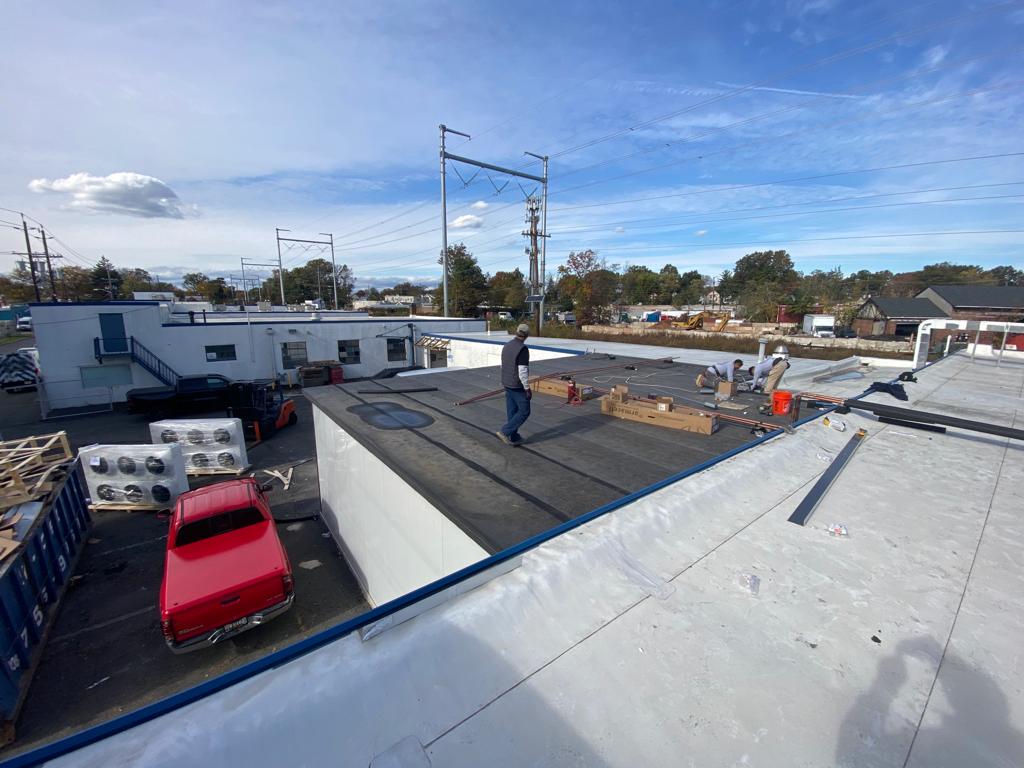
Roof planning notes

Keeping You Audit-Ready Year-Round

Talk with a Houston commercial roofing team

Talk with a Houston commercial roofing team

Your roofs need steadier attention than most commercial buildings because they take more abuse, grease buildup, constant equipment service traffic, and the facility's own byproducts. We set up scheduled inspections, clear and clean drains ahead of hurricane season, and re-seal the curbs and penetrations that wear fastest, documenting roof condition so it supports your audit record rather than becoming the finding that costs you a score. Whether you run one plant in Houston or manage roofs across a multi-site food operation, we build the program around protecting product, satisfying inspectors, and keeping the line moving. Call 713-388-6346 or email info@commercialroofingcontractorshouston.com for help with food processing & cold storage roofing in houston, tx | commercial roofing in Greater Houston.