

Skip to content

Roof energy and insulation reviews for Houston commercial buildings. We assess R-value, reflectivity, and cooling load on flat and low-slope roofs across Harris County.

Schedule a Roof Review

  • Roof Energy and Insulation Reviews for Houston Commercial Buildings
  • A flat or low-slope roof is one of the largest uninsulated, sun-facing surfaces a Houston facility owns, and it drives a meaningful share of the cooling bill from April through October. We review the thermal performance of commercial roof assemblies across Greater Houston and Harris County, looking at insulation R-value, membrane reflectivity, and how the roof is actually adding to your air-conditioning load. The goal is a clear picture of where heat is getting in, what it is costing you, and which fixes pay back fastest.
  • This is an analysis service, not a sales pitch for a particular product. We document the existing assembly, model the heat gain, and hand you the numbers so you can decide whether to recoat, add insulation, or leave a roof alone until it is due for replacement. Buildings in the Energy Corridor, Westchase, and the Galleria area run their HVAC hard for most of the year, and the roof above the top floor is often the cheapest part of the envelope to improve.
  • What We Look At During a Review
  • We start on the roof and in the building, because thermal problems show up in both places. A reflective membrane that has chalked and darkened, wet insulation under a leaking seam, and a building with no insulation at all behave very differently, and the report needs to say which one you have.
  • Insulation Type, Thickness, and Condition
  • We confirm what insulation is actually installed, not what the original drawings claimed. On older Houston commercial stock we frequently find a single thin layer of polyiso, perlite board, or in some cases nothing above the deck at all. We measure thickness at cores, identify the material, and estimate the in-place R-value, which is what matters once polyiso has aged and any moisture has crept in.
  • Membrane Reflectivity and Surface Condition
  • Houston sits in a cooling-dominated climate, so a bright, reflective roof surface earns its keep. A white TPO or PVC membrane reflects most of the sun's energy, while a black EPDM or aged modified-bitumen roof can run well over 150 degrees on a July afternoon and push that heat straight down into the building. We assess how reflective your current surface still is, since a white membrane that has weathered and collected Gulf Coast grime loses a real fraction of its original performance.

Ponding, Saturation, and Hidden Heat Sinks

Wet insulation is a thermal disaster. It loses most of its R-value, holds heat, and adds weight. Given Houston's heavy rain, hurricane season, and the drainage challenges that Harris County and HCFCD contend with, ponding water and saturated cover board are common on flat roofs here. We flag suspect areas during the review and recommend moisture verification where the field findings warrant it, so the energy numbers reflect the roof's true condition. How a Reflective Roof Pays Off in This Climate

Schedule a roof review
Commercial Roof Energy & Insulation Review | Houston, TX
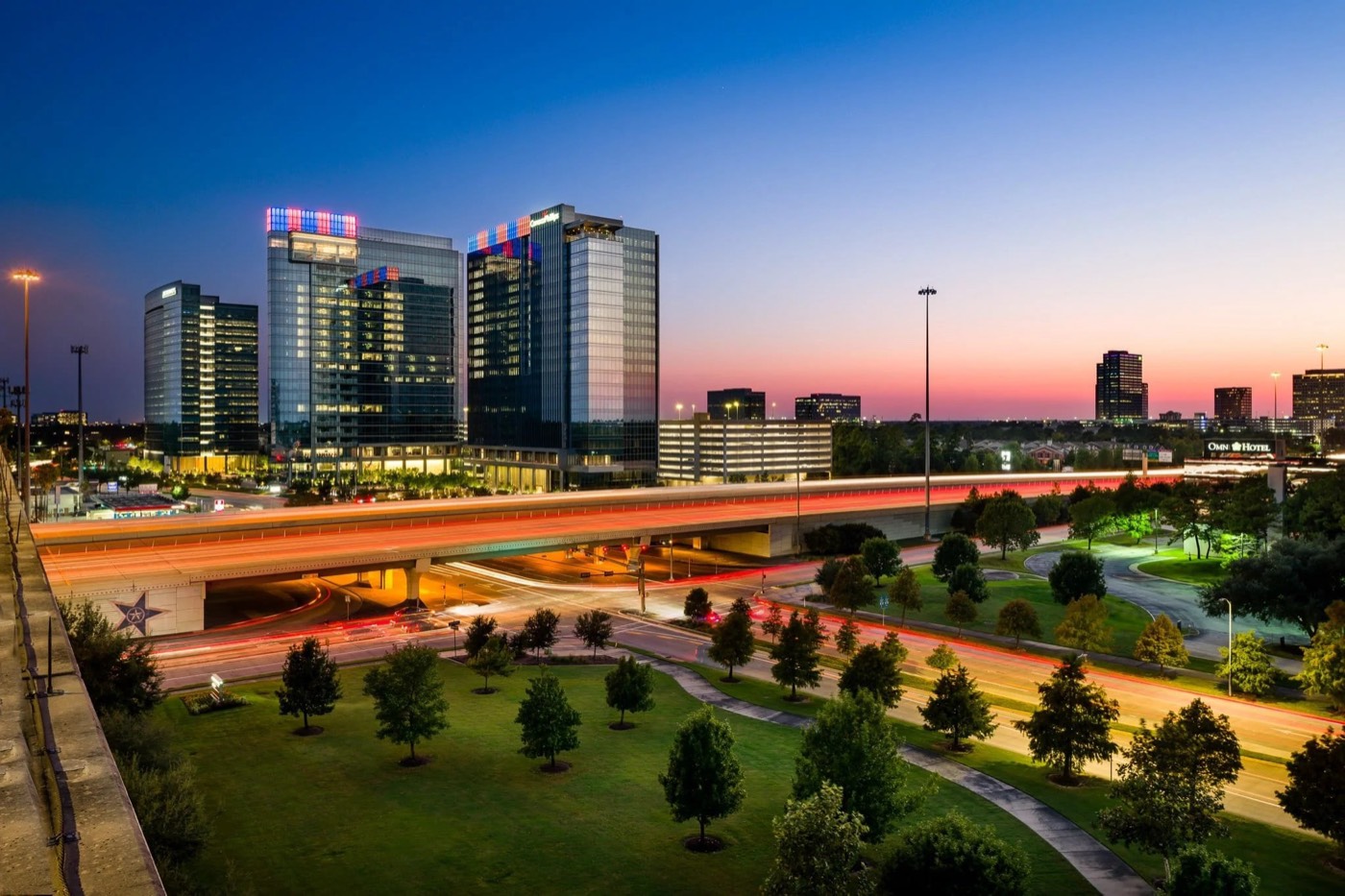
Downtown Houston commercial rooftops

The economics of roof energy improvements are unusually favorable on the Gulf Coast because the cooling season is long and intense. A few principles guide what we recommend:

Reflectivity reduces peak load. Lowering the roof surface temperature cuts the heat driven into the top floor during the hottest hours, which is exactly when demand charges and HVAC strain are highest.

Insulation reduces total transfer. Reflectivity helps during sun hours; insulation reduces heat flow around the clock and through the shoulder seasons, including the warm, humid nights that keep Houston AC running.

Houston Energy Corridor commercial buildings

The two work together. A reflective surface over thin or wet insulation still leaks heat. Pairing a bright membrane or coating with adequate R-value is where the savings compound.

Re-cover is an opportunity. When a roof is due for work anyway, adding tapered or flat insulation during the project is far cheaper than retrofitting it on its own.

Coatings, Re-Cover, and Replacement Compared

Roof planning notes

Roof Scope Notes

Talk with a Houston commercial roofing team

Reflective Coatings

On a sound roof with a serviceable membrane, a silicone or acrylic reflective coating restores surface reflectivity and adds years of life at a fraction of replacement cost. For a Houston building running long cooling hours, the surface-temperature drop from a fresh white coating is the lowest-cost energy move available, and it doubles as weatherproofing for seams and flashings. Re-Cover With Added Insulation

Full Replacement

Where the existing roof is dry and structurally sound but under-insulated, a re-cover that adds a layer of polyiso under a new reflective membrane improves R-value and reflectivity at once, without the cost and disruption of a full tear-off. Talk with a Houston commercial roofing team