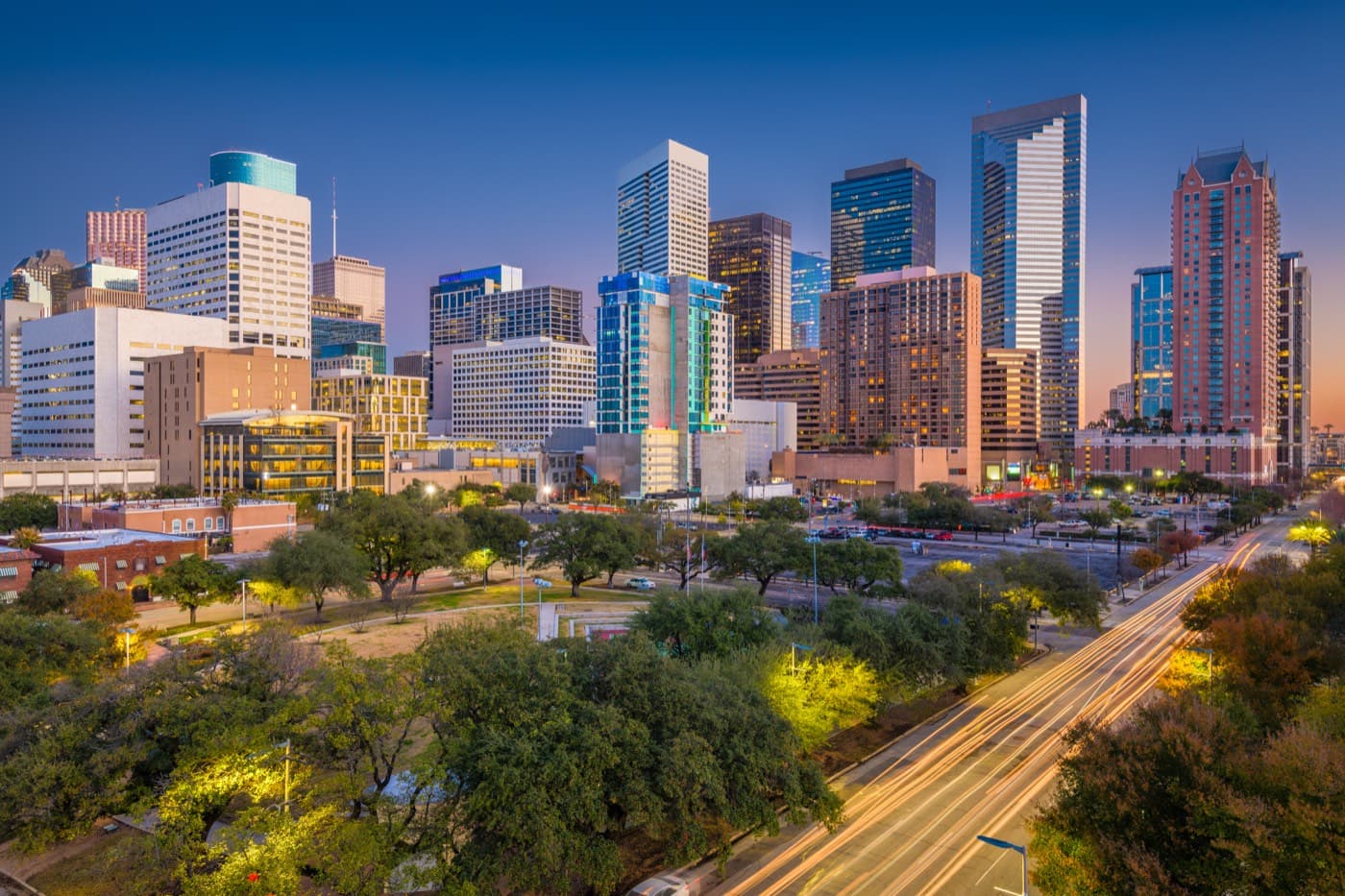
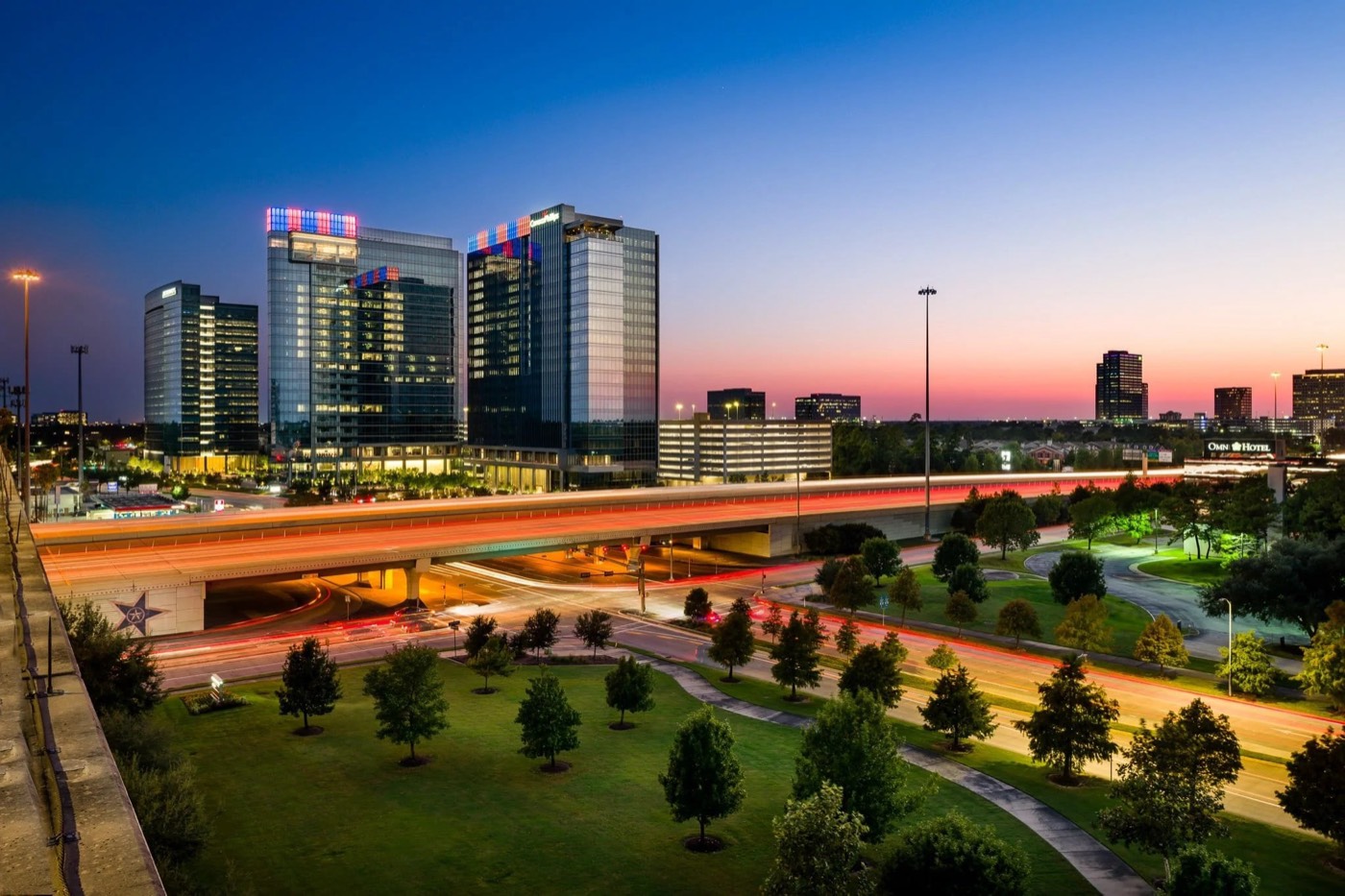
From June through November the upper Texas coast sits in the path of hurricanes and severe squall lines, and wind is the threat that defines roof design here. Wind damages roofs at the edges and corners, where uplift suction is highest, and a standing seam roof's performance in that moment comes down to how its clips and perimeter were engineered and fastened. We design the attachment, clip spacing, and edge details to the uplift demand for the building's height and exposure, and we treat the eaves, rakes, and ridge as the critical zones they are, because that is where a metal roof either holds or peels.
Hail is the other Gulf Coast reality. Standing seam in a heavier gauge resists denting far better than thin panels, and even where large hail leaves cosmetic marks, the concealed-fastener seam keeps the roof watertight when an exposed-fastener roof of the same age would be weeping at split washers. And when the rain arrives in the volumes this region is known for, the kind of totals Harvey delivered across Harris County in 2017, a standing seam roof's raised seams and continuous panels are built to move that water off the building fast.
Reflectivity and the cooling bill