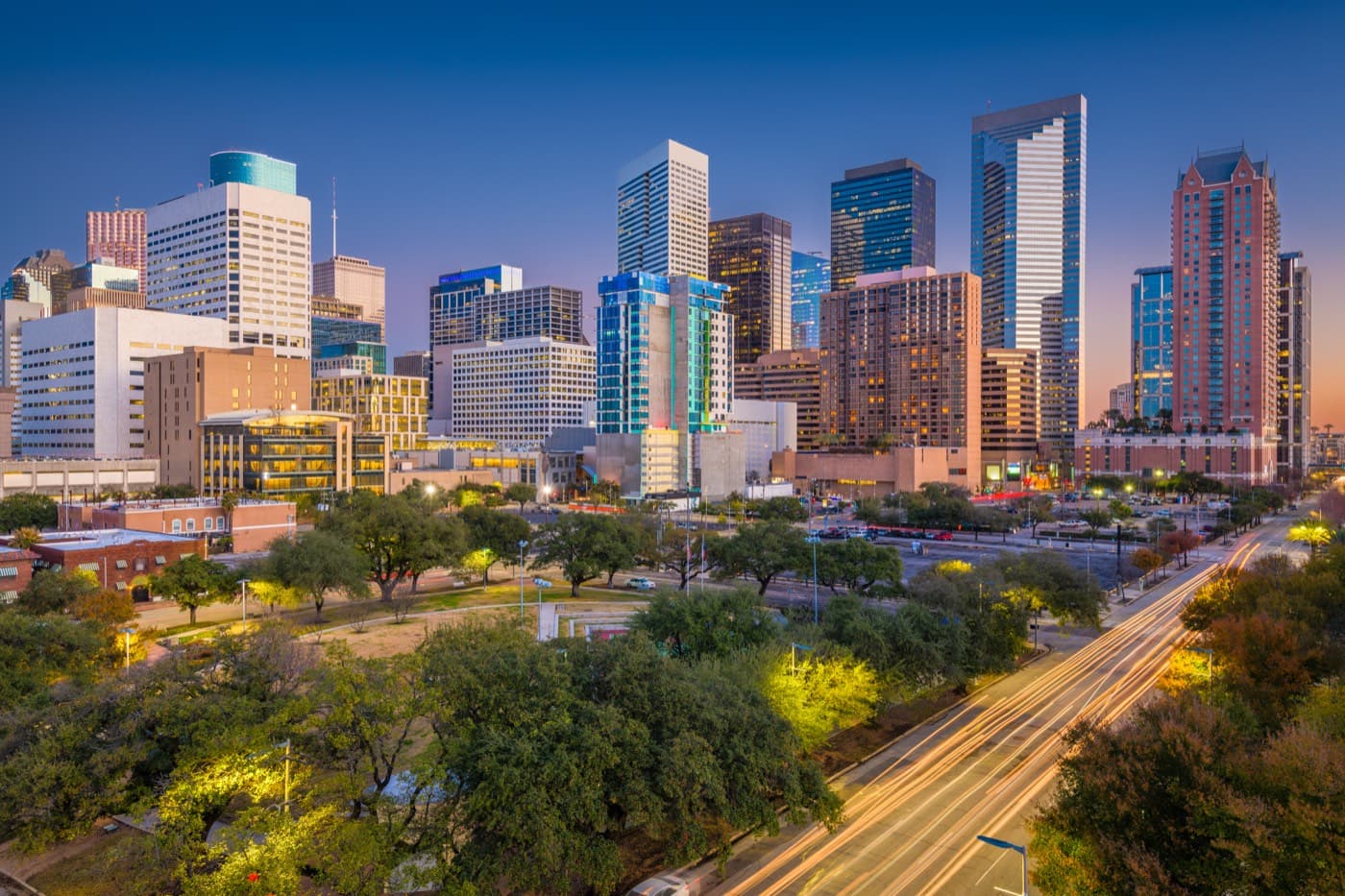
Midtown's roofing problems are Houston's roofing problems, concentrated. Hurricane season runs June through November, and a low-slope roof in a four-story canyon catches wind uplift at the parapets and corners where the pressure is highest. We have seen edge metal peeled back and coping displaced on Midtown buildings after storms that the owners assumed had spared them. Wind-driven rain then finds the loosened flashing, and the leak shows up days later over a unit two floors down.
Hail is the other headline event. A single severe spring storm can bruise a membrane across an entire block, and the damage is rarely visible from the street. We walk the field, mark the impact points, and photograph them so an honest comparison is possible later, whether the path forward is repair, a coating, or replacement. We do not inflate a hail map to sell a roof, and we will tell you when the bruising is cosmetic.
Then there is the water that never leaves. Midtown drains toward Brays Bayou and the storm system that feeds it, and intense Gulf downpours overwhelm that system regularly. On the roof, the equivalent problem is ponding: a blocked scupper, an undersized overflow, or a low spot near a drain bowl that holds water long after the rain stops. Standing water shortens the life of any membrane and disqualifies most coatings, so we treat drainage as its own line in the scope. If the scuppers and conductor heads on a Midtown building need work, we say that before we price the part of the job that looks good in a photo.