A practical commercial roofing plan for Conroe, TX properties separates urgent leak control from repair, coating, maintenance, and replacement decisions supported by photos and condition findings. Schedule a Roof Review
- Roofing the Buildings Going Up Along the I-45 North Corridor
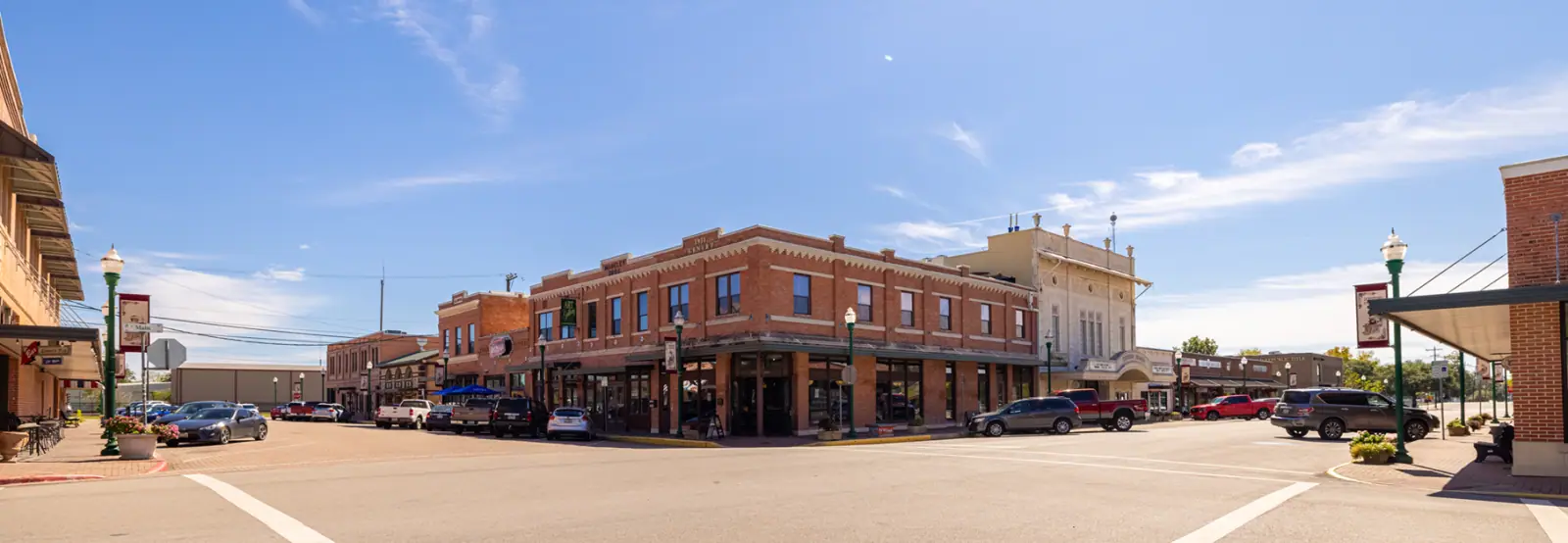
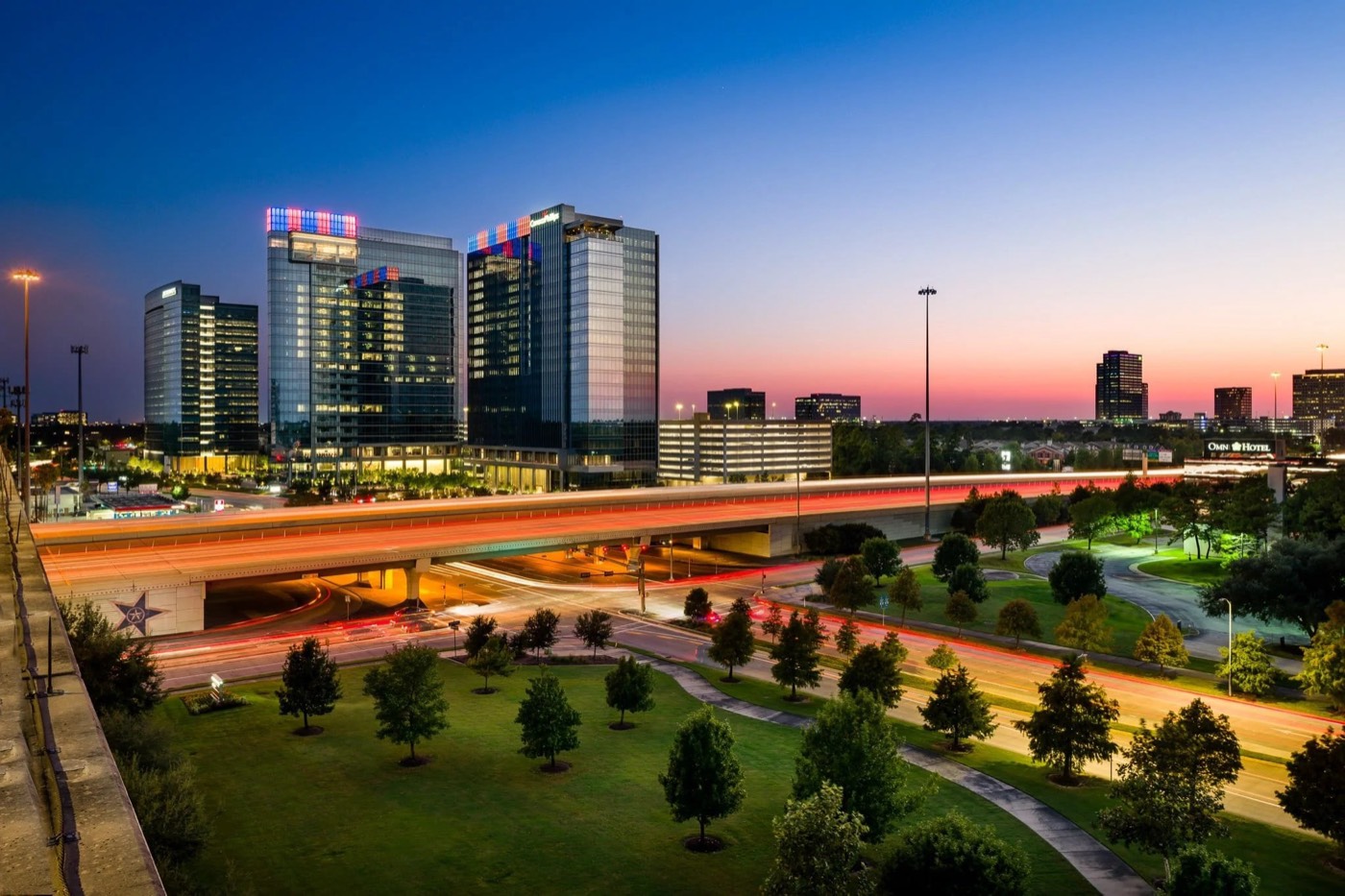
- Few places in the Houston area are putting up commercial square footage as fast as Conroe right now. Drive the I- and you pass distribution buildings, light-manufacturing shells, contractor yards, and the kind of metal-and-tilt-wall warehouses that get leased before the slab cures. As the Montgomery County seat, Conroe also carries the courthouse square, the county offices around it, and a downtown of older brick storefronts that have been there a century. We roof all of it, and the newest building on the corridor and the oldest building on the square need very different things from us.
- Most of the new construction north of town is large flat or low-slope membrane over steel deck - long, wide roof planes broken up by rooftop units and internal drains, the cheapest way to cover a lot of floor fast. That's exactly the kind of roof that looks fine for years and then fails all at once, because nobody is up there until water is coming through. The brick buildings around the courthouse are a different problem entirely: low-slope built-up and modified-bitumen roofs hidden behind parapets, decades of patches, and tie-ins where one storefront's roof meets the next. We scope the warehouse for the long clean spans it is and the downtown building for the layered history it is.
- Lake Conroe and the Commercial Property Around It
- The other Conroe is the one focused on the water. Lake Conroe pulls a steady commercial economy onto its shoreline - restaurants, marinas, retail strips, hotels, and the office and service buildings that support a resort-and-second-home market off TX-105 and along the FM 1097 and FM 830 approaches. Roofs out here take a specific kind of beating. There is nothing between an open lake and a building's west-facing parapet to slow the wind, so uplift exposure on lakefront flat roofs runs higher than it does for the same building tucked into town. Add the humidity and the constant moisture load, and flashings, terminations, and edge metal corrode and loosen faster than owners expect.
- We pay particular attention to perimeter detailing on these lakefront properties, because that open exposure is precisely where wind-driven failure starts. A restaurant roof on the water with a cooking exhaust system also brings grease and chemical load into the equation, which is its own reason to think hard about which membrane goes back on.
- What the Montgomery County Climate Does to a Flat Roof
- Conroe sits inland from Galveston Bay, but the Gulf reaches it just fine. Tropical systems and hurricane bands drive straight up I-45, and the open, still-developing land around the corridor gives wind a clean run at roof edges. Uplift is the failure mode we see most on the large new flats here - once a corner or perimeter lifts, the membrane peels and the next storm finishes it. That's why we look at fastening patterns and edge metal before we look at anything in the field.
- Hail is the other recurring event. Montgomery County catches hard spring cells that roll down off the prairie, and hail bruises a membrane in ways you cannot see from the parking lot - fractured granules on mod-bit, cracked welds on aging TPO, crushed insulation under punctures that surface as slow leaks weeks later. After a storm we walk the roof and mark every impact so an owner has a dated, photographed record before it's time to file a claim. We do not invent damage and we do not miss it.
Summer surface temperatures on a dark roof run well above the air, and that daily expansion and contraction is what fatigues seams and fasteners until a watertight roof in March is leaking in August. The rain comes hard and fast, and a flat roof lives or dies by drainage - internal drains, scuppers, and tapered insulation moving water off before it ponds, adds weight, and breaks the membrane down. Every assessment we do checks that the drainage actually works, not just that the surface looks intact.
Choosing the Right System
There is no single right roof for Conroe and we don't push one. On the big distribution and retail flats along I-45, a reflective single-ply like TPO or PVC earns its keep - a white surface throws back a real share of the summer sun and takes load off rooftop HVAC that runs from April into October. For the lakefront restaurants and any building with kitchen exhaust or chemical exposure, PVC's weld strength and chemical resistance usually make it the smarter long-term call. For the older industrial stock and the downtown buildings, a modified-bitumen or built-up assembly with the right cap sheet often outlasts a thin single-ply that gets walked and abused. We match the membrane to how the building is actually used, the existing deck and slope, and the warranty the owner needs to hold.