For large facilities and capital-budget realities, we also phase plant reroofs by building or roof section, replacing the worst-performing areas first and putting the rest on a documented schedule so the plant stays productive while the capital plan catches up. We treat any required line interruption as a scarce resource and plan our work to need as little of it as possible.
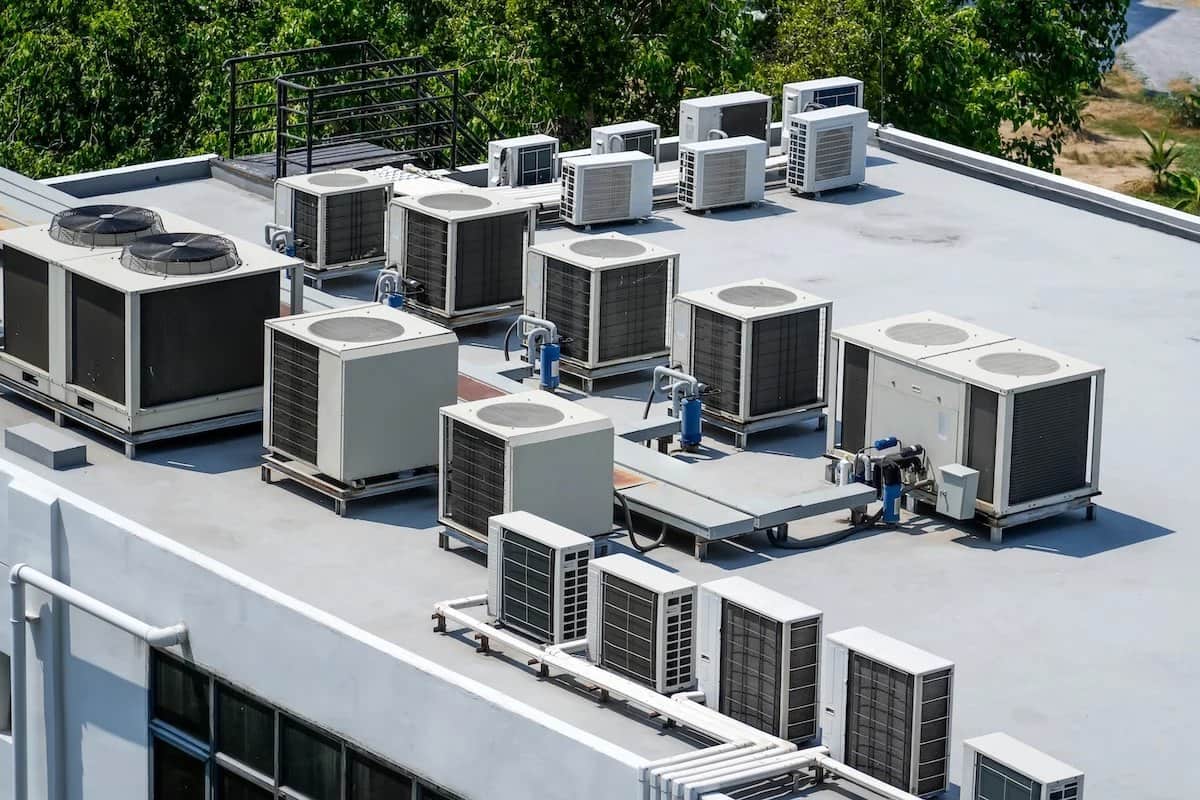
Plant roofs need systems chosen for what is happening above and below them, not a default product. Reflective single-ply membranes like TPO and PVC throw off a large share of the solar heat load, which matters over conditioned production and over heat-sensitive processes during a long Houston summer. Where a plant generates grease-laden or chemically aggressive exhaust, PVC's chemical resistance often makes it the better membrane downwind of those discharges. On structurally sound but weathered roofs, a fluid-applied silicone or acrylic coating can restore reflectivity and reseal a field without the disruption of a full tear-off over an active plant, which is frequently the least disruptive path when production cannot be interrupted.